
Last updated November 23, 2026
 Sweep & inspection
 Caps & crowns
 Flue relining
 Masonry repair
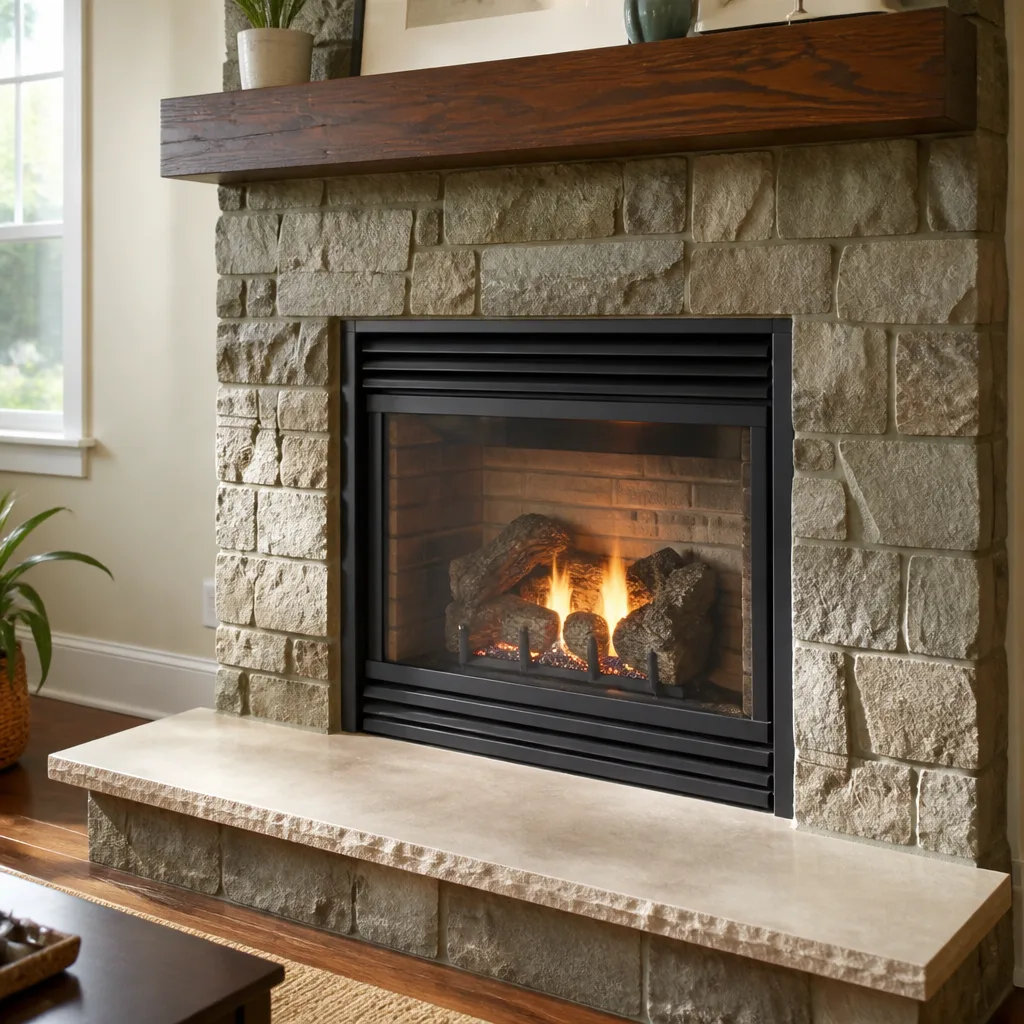 Gas fireplace service
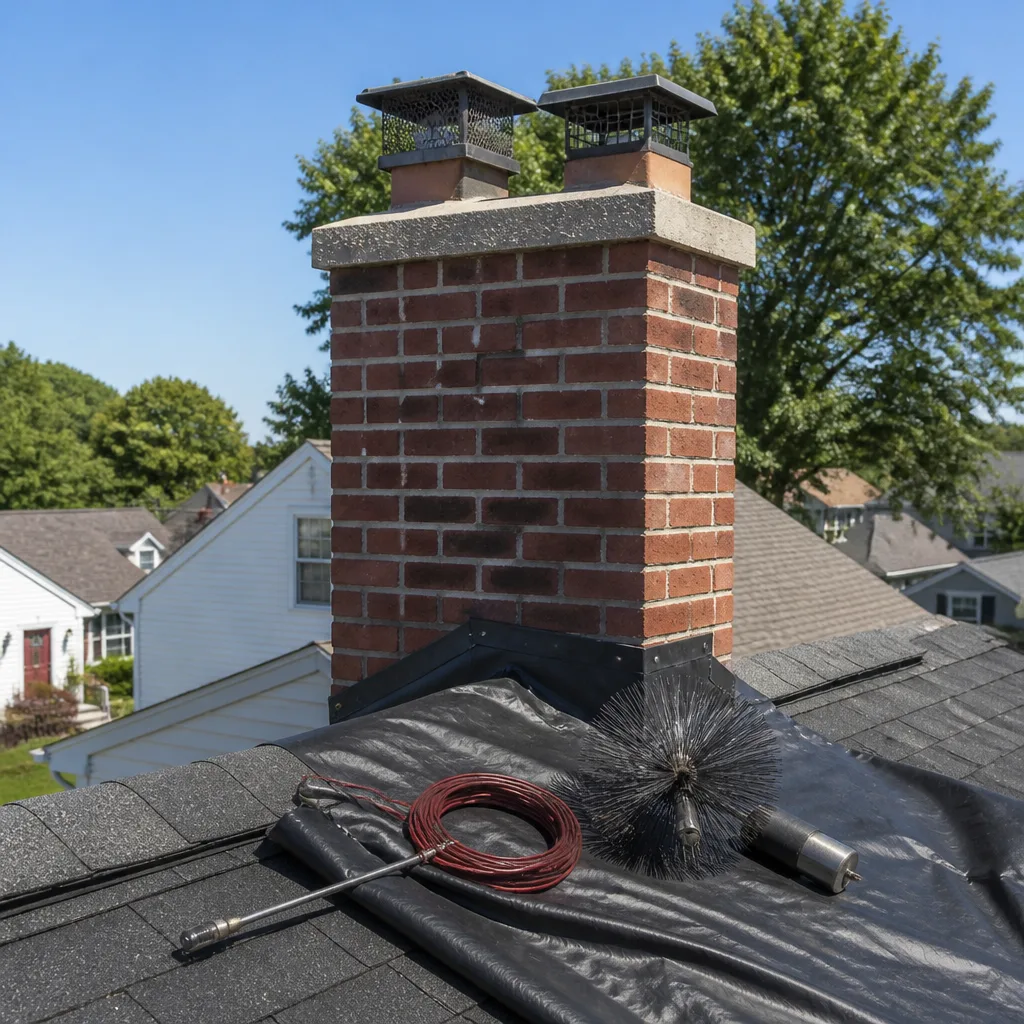
Level 1 sweep and inspection to the NFPA 211 annual standard - flue, crown, cap, and flashing checked and photographed
Chimney sweep logs do not sweep chimneys. They loosen some creosote - which then falls where a brush and vacuum still have to collect it.
DIY vs Professional Chimney Cleaning: The Heather Gardens Homeowner’s Decision Guide
A chimney brush and a set of rods will remove surface soot. They will not tell you that your liner has a crack at the second-story bend, that your crown is letting in snowmelt, or that your Stage 1 creosote is turning to Stage 2. Those are the things that actually start fires. That’s the gap most DIY guides skip past. In this guide we’ll walk through what DIY cleaning genuinely accomplishes, what tools a competent attempt really requires, what no brush can assess, why Colorado’s elevation and freeze-thaw cycles raise the stakes, and how to decide honestly which route fits your flue this season. If you live in Heather Gardens, the climate notes here are written for your home specifically.
Quick Answer
DIY chimney cleaning is a reasonable interim measure when your flue has a known, recent service history, you’re burning dry wood, and you see only light soot. It is not a substitute for a professional sweep and inspection, because cleaning alone addresses one layer of chimney health and misses liner integrity, creosote staging, mortar joint condition, draft performance, and cap and crown weathering. In Heather Gardens, where freeze-thaw cycles and higher elevation combustion make those hidden issues more consequential, most homeowners are better served by a professional sweep with a documented inspection included.
Styles & brands we work with
- Sweep & inspection
- Caps & crowns
- Flue relining
- Masonry repair
- Gas fireplace service
Table of Contents
- What DIY chimney cleaning can legitimately accomplish
- The tools and safety requirements for a competent DIY attempt
- What DIY cleaning cannot assess
- Why DIY is higher-stakes in Colorado
- Understanding creosote stages: the sequence that matters most
- The honest decision framework: when DIY helps and when it delays
- How a DIY attempt is supposed to go, step by step
- What a professional sweep actually includes
What DIY chimney cleaning can legitimately accomplish
A brush pass does one job: it scuffs loose soot and light, flaky creosote off the flue walls and drops it into the firebox for removal. That job matters. A flue that has been swept recently and lightly used will stay cleaner with an annual brush-down than with no maintenance at all. If you know your flue’s recent service history, you burn seasoned wood, and your draft pulls well, DIY cleaning can hold the line between professional visits.
What it can legitimately do:
- Remove light surface soot from a flue that was swept within the past year or two.
- Knock down flaky, Stage 1 creosote before it can bake into something harder.
- Clear an obvious bird nest or debris blockage at the top of the flue when you can see it clearly from the roof.
- Keep the firebox, smoke shelf and damper area tidy between professional visits.
- Give you a hands-on sense of how your fireplace draws and how much soot accumulates each season.
That’s the honest scope. DIY cleaning is a maintenance touch-up for a chimney that is already in known-good condition. It is not a diagnostic tool, and it is not a substitute for an inspection that documents what’s actually happening inside the flue. In our experience across Heather Gardens, the homeowners who get the most from DIY are the ones who already know their chimney is sound because a professional confirmed it recently. The rest are rolling the dice on what a brush can’t see.
The tools and safety requirements for a competent DIY attempt
A proper DIY kit isn’t a wire brush on a broom handle. To do the job safely and without damaging the flue, you need the right gear, and the gear costs real money. Here’s what a competent attempt actually requires.
- A correctly sized flue brush. Round poly brushes for stainless liners, wire brushes only for clay tile in sound condition. The wrong brush scratches liners and cracks tile.
- Rods long enough for your flue. Fiberglass rods in 3- or 4-foot sections, enough to reach the full flue height plus a foot of overrun so the brush exits the top.
- A heavy canvas drop cloth and plastic sheeting. Sealed around the firebox opening so soot doesn’t spread into the room. Most DIY soot damage happens at this step, not in the flue.
- A proper respirator. Not a dust mask. A fitted N95 or P100 respirator rated for fine particulates.
- Safety glasses and gloves. Soot is fine and caustic; eye protection is not optional.
- A shop vacuum rated for fine ash. Standard vacuums clog and blow soot back into the room. Ash-rated HEPA filtration is the minimum.
- Roof access gear. A stable ladder, a roof harness, and someone spotting you. Many Heather Gardens homes have pitched roofs and second-story flues; slipping on a frosty morning is a genuine risk.
- A bright work light. So you can actually see what’s on the flue walls and whether your brush is cleaning evenly.
Add it up and a properly equipped DIY kit runs into the hundreds of dollars before you’ve bought a single brush. That’s before the personal risk of roof work on a December morning. If you’re pricing the gear to do this once, the math rarely works in DIY’s favor once you account for the inspection you still need. In our experience, the money is better spent on a professional visit that includes both the sweep and a documented look at what the flue is telling you.
What DIY cleaning cannot assess
Here’s where the DIY vs professional chimney cleaning conversation usually goes quiet. A brush removes soot. It cannot evaluate the things that cause chimney fires, carbon monoxide leaks, or expensive repairs. Those require a trained eye, proper lighting and, often, a camera.
What no DIY brush pass can assess:
- Liner integrity. Hairline cracks in a stainless liner or spalling in clay tile are invisible from the firebox. They open up under heat. A camera inspection is the only way to know.
- Mortar joint condition. The brickwork behind the flue tile softens with moisture and heat cycling. Failing joints let combustion gases migrate into the wall cavity.
- Creosote staging. Stage 1 flaky creosote and Stage 2 tar-glazed creosote look similar from below and behave very differently in a fire. Staging requires a trained eye.
- Draft performance. A flue can appear clean and still not pull properly because of sizing, height, or an obstruction you can’t see. Draft is measured, not eyeballed.
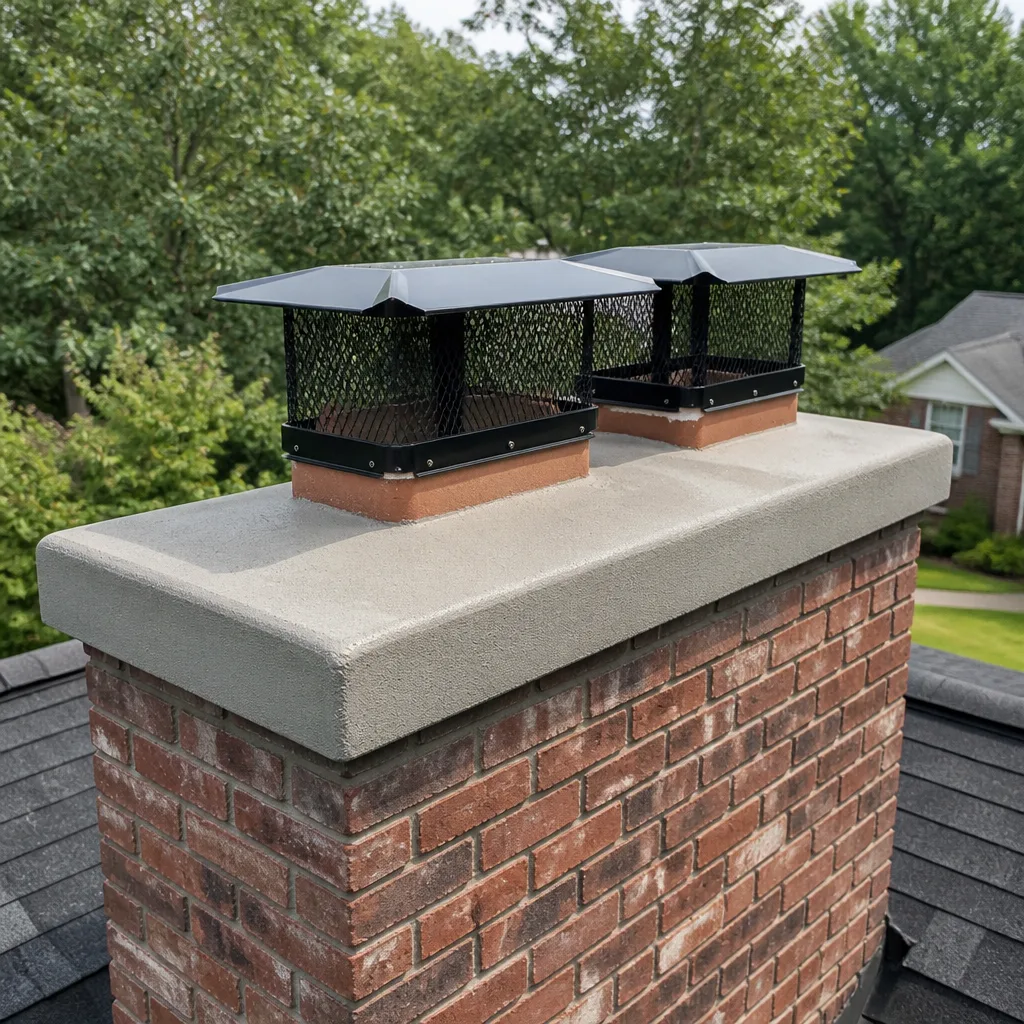
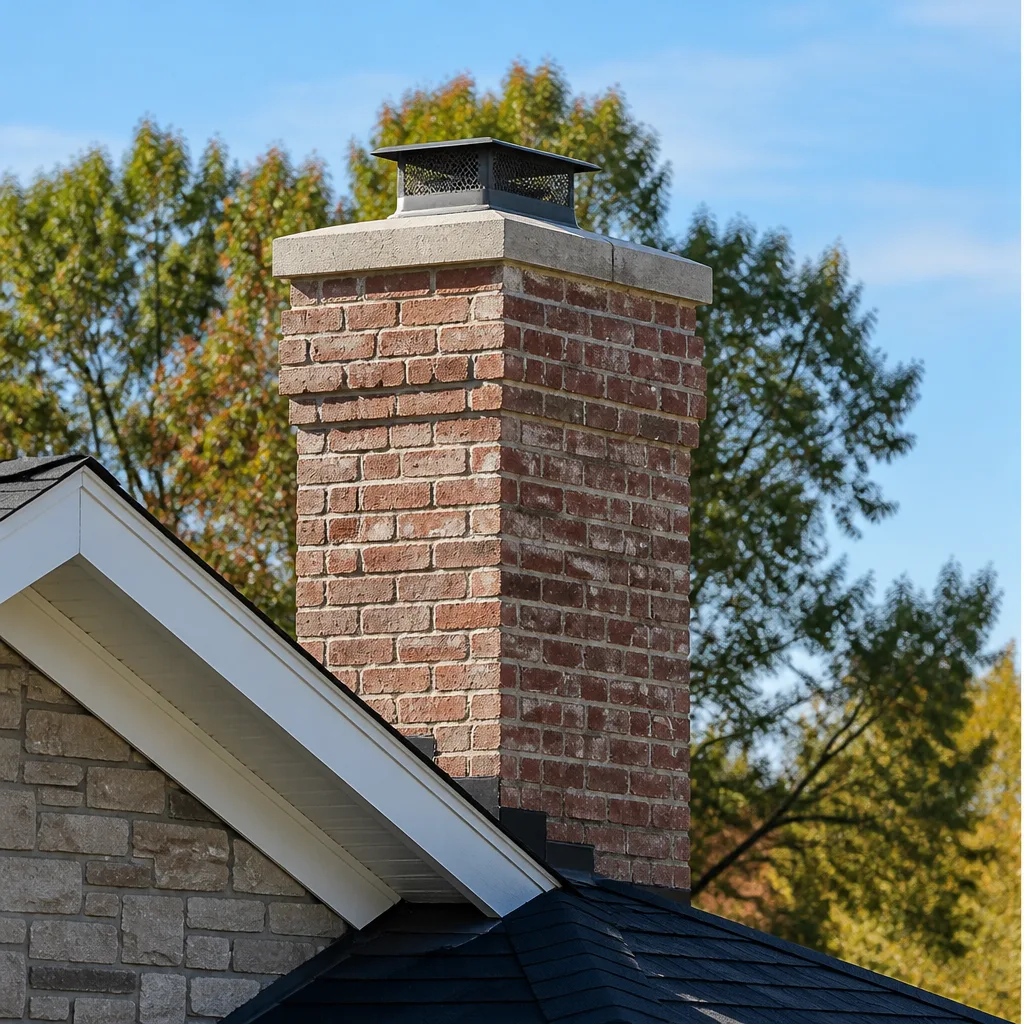
- Cap and crown weathering. A cracked crown lets snowmelt into the chimney structure. A missing or damaged cap lets birds, rain and debris in. Both are roof-level items most homeowners don’t check.
- Appliance connections. If a wood stove or gas insert ties into the flue, the connector and clearances need to be verified, not guessed.
This is the layer our chimney sweep visits are built around: we inspect what we clean, and we can repair what we find. A DIY pass can’t tell you your liner has a crack at the second-story bend, and that’s the crack that turns a small chimney fire into a structural one.
Why DIY is higher-stakes in Colorado
Chimneys in Colorado work harder than chimneys at sea level, and Heather Gardens sits at elevation on the Front Range where the calendar matters. Three local factors push DIY cleaning from “reasonable” to “risky” faster than homeowners expect.
Elevation changes combustion. At higher elevation the air is thinner and combustion behaves differently. Fires can burn hotter and faster, and draft characteristics shift. A flue that drafts fine in a coastal home can struggle here, and a struggling flue deposits creosote faster. That means lighter soot can turn into heavier deposits in a single season, so a brush pass you schedule “when it looks dirty” may already be too late to catch an early glazing problem.
Freeze-thaw cycles stress the liner. Heather Gardens homes see repeated freeze-thaw cycles through the winter. Moisture that gets into a masonry chimney through a cracked crown or a failed cap freezes, expands, and works at the mortar joints and liner. This is why a roofing-eye view of the crown matters even more here than in milder climates. A visual check from the ground misses it. So does a brush pass from the firebox.
The heating season runs long. Heating seasons in this part of Colorado stretch well past what homeowners in warmer states assume, so a chimney that’s used steadily through the colder months accumulates more soot, more creosote, and more heat cycles. That’s more wear on the liner, more stress on the mortar joints, and more reason to have a trained eye on the flue at least once a year.
None of this makes DIY cleaning dangerous by itself. It makes the missed-diagnosis risk in Colorado higher than it would be somewhere with a short season and mild swings. A sweep in Heather Gardens isn’t just a cleaning; it’s a check on how your chimney is handling the local climate.
Understanding creosote stages: the sequence that matters most
Creosote builds in stages, and the stage is the single most important thing a homeowner can know about their flue. A brush pass reliably handles Stage 1. It struggles with Stage 2. It won’t touch Stage 3. Knowing the stages tells you honestly where DIY ends and professional work begins.
- Stage 1: soot and flaky creosote. Loose, dusty, easily brushed off. This is the stage DIY cleaning handles well when the flue is otherwise sound.
- Stage 2: tar-glazed creosote. Sticky, hardened, and dense. A brush skips over it. Professional equipment and, in some cases, chemical treatment are needed to remove it fully.
- Stage 3: glazed, hardened creosote. The most combustible stage. It requires professional intervention, sometimes with specialized tools. No homeowner-grade brush will remove it, and it is the stage most closely tied to chimney fires.
The problem with DIY is that Stage 1 creosote and early Stage 2 can look nearly identical from the firebox. You can clean what you can see and never realize you’re already past the point where a brush pass helps. That’s why we stage creosote during every sweep and report it back to the homeowner. It’s the difference between a cleaning and a diagnostic.
Our fireplace repair team handles the downstream work too: glazed creosote removal, liner damage, cracked firebox panels. It all ties back to what the sweep reveals.
The honest decision framework: when DIY helps and when it delays
DIY vs professional chimney cleaning isn’t a binary. It’s a decision made on evidence about your specific flue. Here’s the framework we’d give a neighbor.
DIY is a reasonable interim measure if:
- Your chimney was professionally swept and inspected within the past year or two, and the report flagged no issues.
- You burn seasoned, dry wood and know your fuel quality.
- You see only light soot and flaky creosote at the firebox opening.
- Your draft is strong and consistent, with no smoke rolling into the room.
- Your cap and crown were checked recently and are intact.
DIY is a liability that delays necessary assessment if:
- Your chimney hasn’t been professionally serviced in more than a couple of years.
- You’re burning unseasoned wood, or your flue has a heavy, sticky buildup.
- You notice smoke backing into the room, weak draft, or a noticeable smell from the fireplace when it’s not in use.
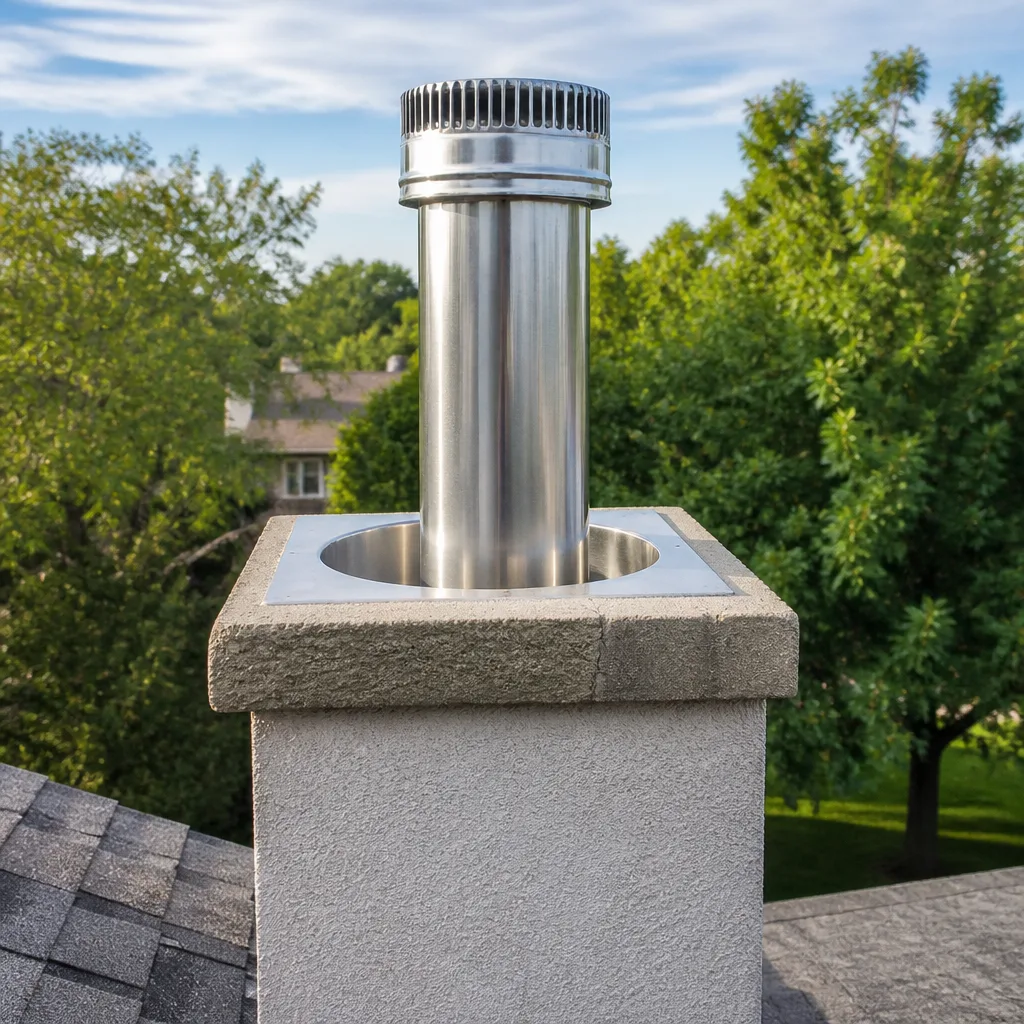
- Your liner is old, unknown, or of uncertain material.
- Your crown is cracked or your cap is missing or damaged.
- Anyone in the home has reported headaches, drowsiness or other symptoms that could relate to carbon monoxide.
Notice the pattern. DIY is fine when you already know your chimney is healthy. It becomes a delay when you don’t. In our experience, the homeowners who get into trouble are the ones who use DIY cleaning as a reason to skip the inspection that would have caught the problem.
How a DIY attempt is supposed to go, step by step
We’re listing this so you understand the work, not so you attempt it blindly. Do not go on a roof without proper fall protection, and if anything in this sequence makes you uneasy, that’s your signal to hire a professional. Here’s how a competent DIY attempt is structured.
- Pick the right conditions. A dry day with no wind. A wet or windy day turns a controlled brush pass into a mess and a safety risk.
- Close the damper and seal the firebox opening. Tape sheeting around the entire opening, not just over the fireplace face. This is the step that keeps soot out of your home.
- Set up roof access safely. Stable ladder footing, a harness, and a spotter. If the roof is pitched or frosty, stop and call a professional.
- Remove the cap if it’s removable. If the cap is sealed, damaged or rusted on, don’t force it. That’s a sign of deferred maintenance a professional needs to see.
- Brush from the top down. Attach the correct brush to the rod and work the flue from the top. Keep steady downward pressure; don’t force past a blockage.
- Work through every flue connected to the fireplace. A fireplace can have more than one flue. Brush and inspect each one.
- Vacuum and clean the firebox, smoke shelf and damper. This is the part most DIYers skip. The debris has to be removed, not just brushed down.
- Reinstall the cap and check the crown. Look for cracks, missing mortar and loose flashing. If anything looks off, stop and call a professional.
The step most DIY attempts stumble on is #8. Checking the crown and cap is a roofer’s-eye job, and it’s exactly where Heather Gardens’ freeze-thaw climate finds the weak points. Missing it means the structural repair gets discovered the expensive way.
We install chimney cap & crown components from Gelco, Famco and Olympia Chimney, sourced from makers who specialize in the chimney trade. That’s the level of material a Heather Gardens home deserves, and it’s not something a brush-and-rods kit covers.
What a professional sweep actually includes
A professional sweep is not just a better-aimed brush. It’s a full evaluation of the chimney as a system, and the whole point is to find what a DIY pass can’t. Here’s what a proper visit covers.
- A staged sweep of every flue. Brush and ash-rated vacuum, drop cloths sealed around the firebox, and a full cleanup.
- Creosote staging. We note the stage of every deposit and explain what it means.
- Liner inspection. A visual and, where needed, camera inspection of the full flue. Cracks and joint failures are documented.
- Mortar joint and firebox condition. We check the smoke shelf, damper, firebox panels and the masonry behind the liner.
- Draft performance. We look for signs of poor draft and discuss sizing and height where relevant.
- Crown and cap condition. From the roof, where the freeze-thaw issues in Heather Gardens actually show up.
- A written summary of findings. So you can decide on repairs with information, not a sales pitch.
Our technicians have up to 12 years of experience, and we treat the sweep and the inspection as one connected service. When we find a liner issue, we can restore it with HeatShield liner resurfacing, install DuraFlex or Copperfield components, or repair the masonry. One specialist for the sweep, the inspection and the fix. And in a Heather Gardens home that means you’re not stuck coordinating a sweep with one company and a repair with another.
We can also work with your insurer when a finding needs a documented repair claim. And nothing gets recommended without evidence you can see for yourself, whether that’s a camera inspection or a photo report. If a repair can safely wait until after the heating season, we’ll tell you so.
Common Mistakes to Avoid
- Treating a DIY brush pass as an inspection. Sweeping without a documented look at the liner, mortar joints and cap leaves the biggest risks unaddressed. This is the number one mistake in Heather Gardens.
- Using the wrong brush for the liner. A wire brush on a stainless liner scratches the surface and creates failure points. Match the brush to the material or don’t brush at all.
- Skipping the firebox cleanup. Brushing down without sealing the firebox and vacuuming the debris just relocates the soot into the room.
- Cleaning once and assuming the flue is healthy. Stage 1 can turn to Stage 2 within a single season, especially in our longer heating season. Cleaning without checking creosote staging is a false comfort.
- Ignoring the crown and cap. In Heather Gardens’ freeze-thaw climate, a cracked crown or missing cap lets water into the chimney structure. That’s the repair that gets expensive by spring.
- Forcing a stuck cap or frozen rod. Forcing a rusted-on cap can damage the flue tile. That’s a professional job.
- Going on the roof without fall protection. A pitch roof or frosty morning with no harness and no spotter is the most dangerous part of a DIY attempt. If you don’t have the gear, don’t go up.
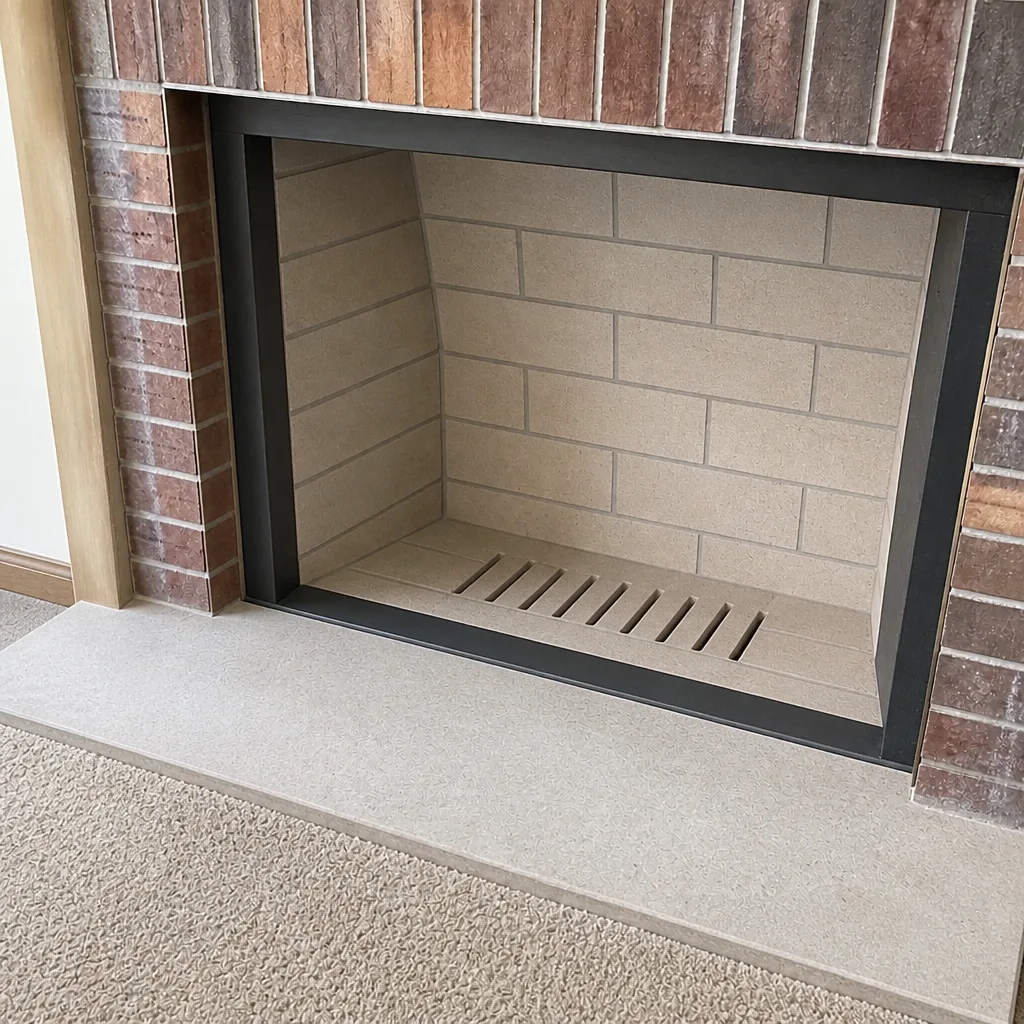
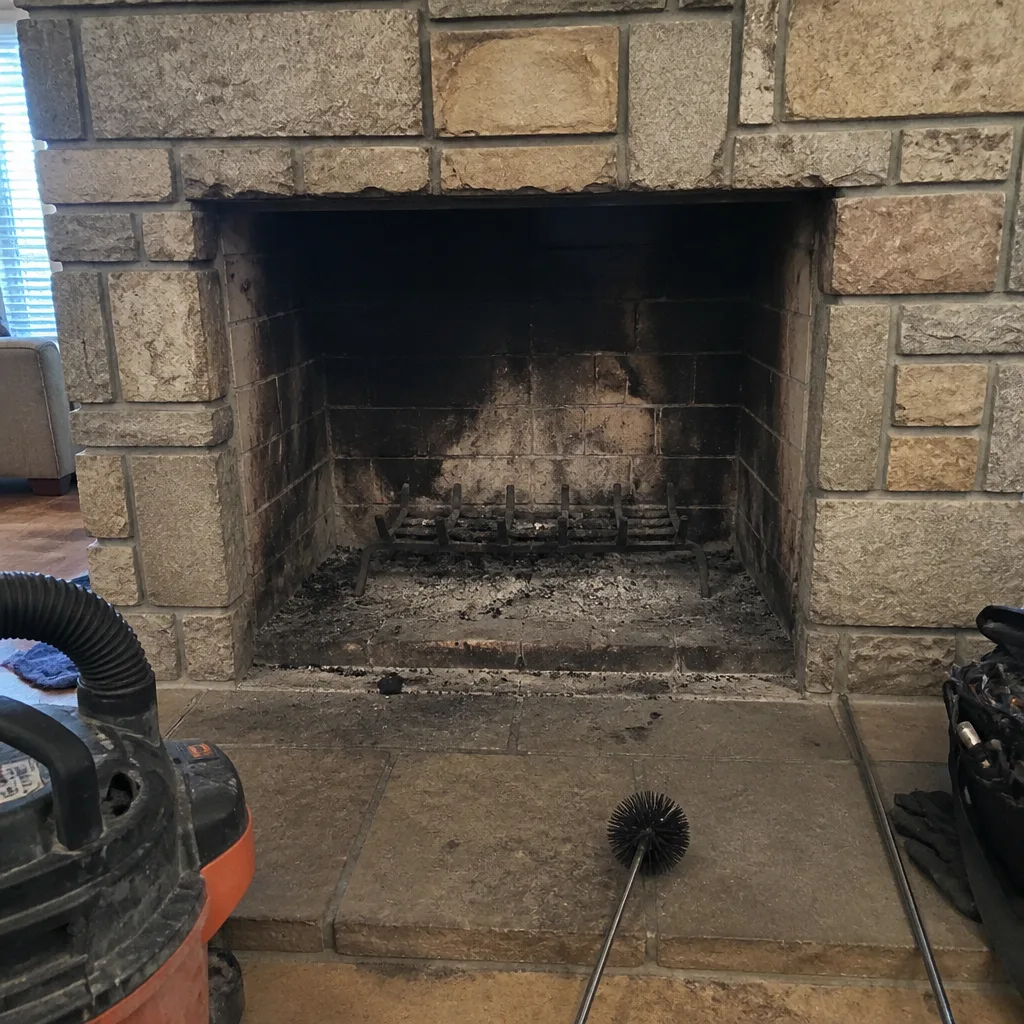
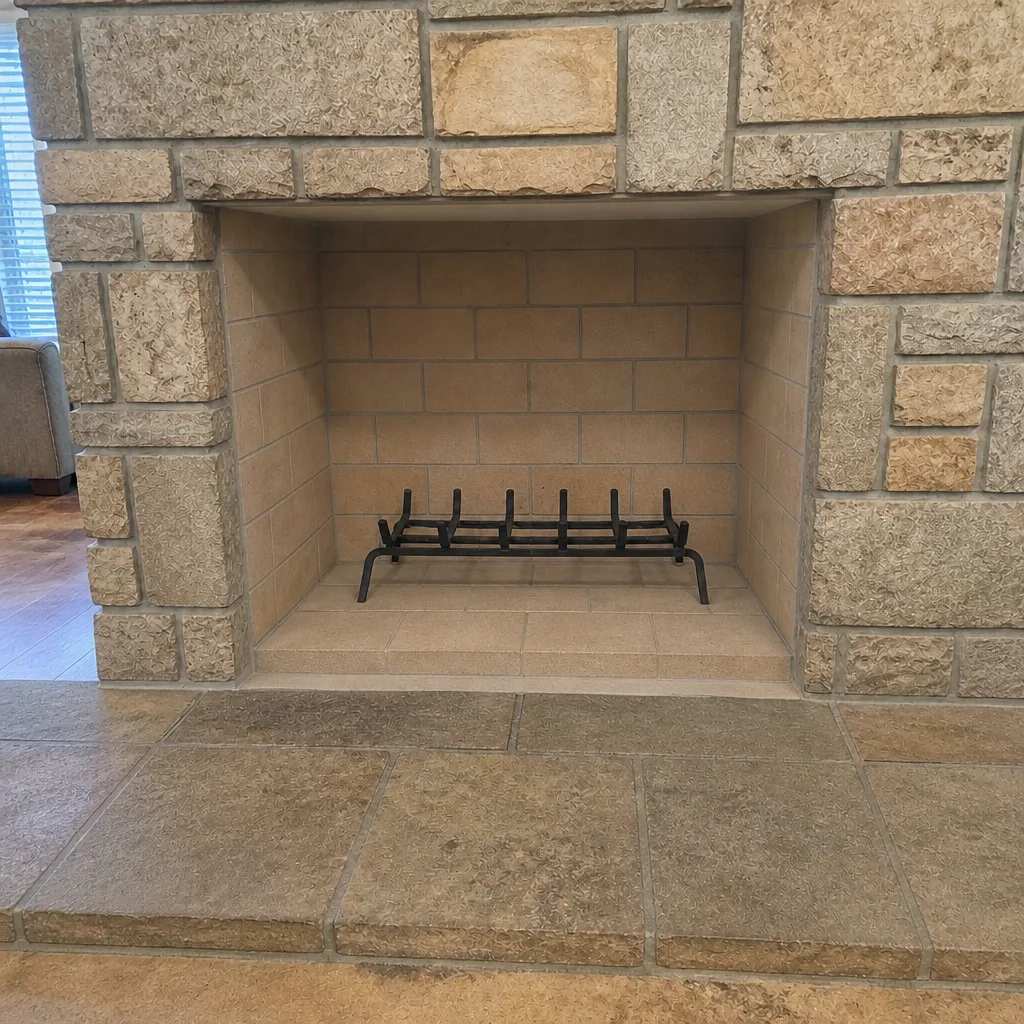
See the difference
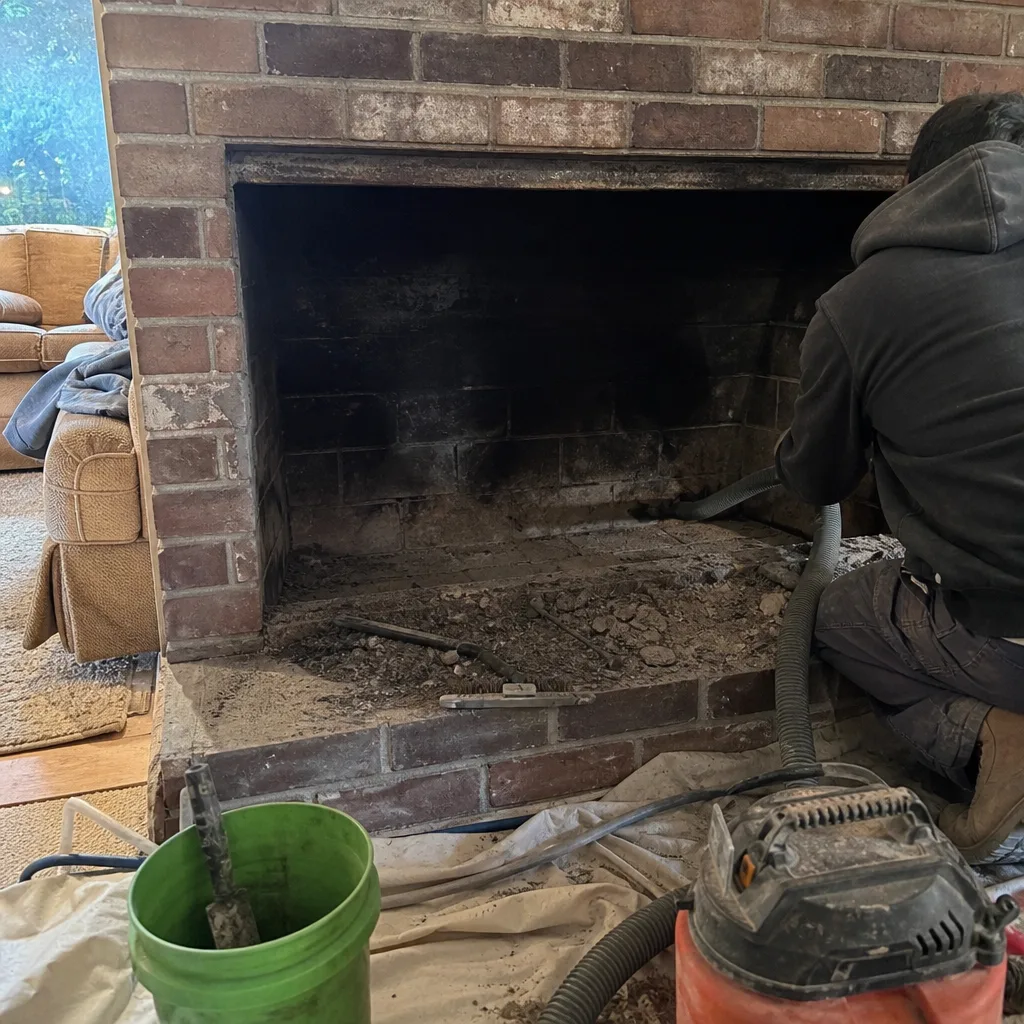 Before
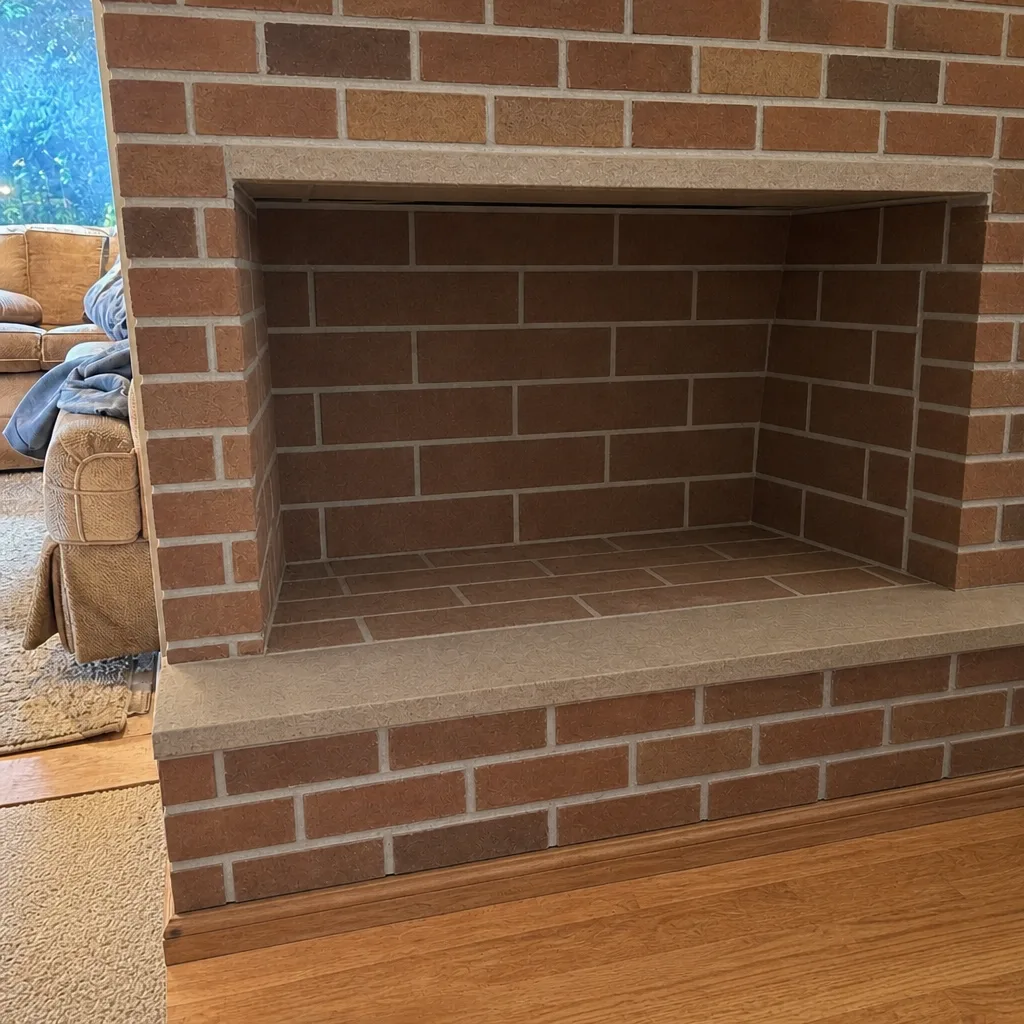 After
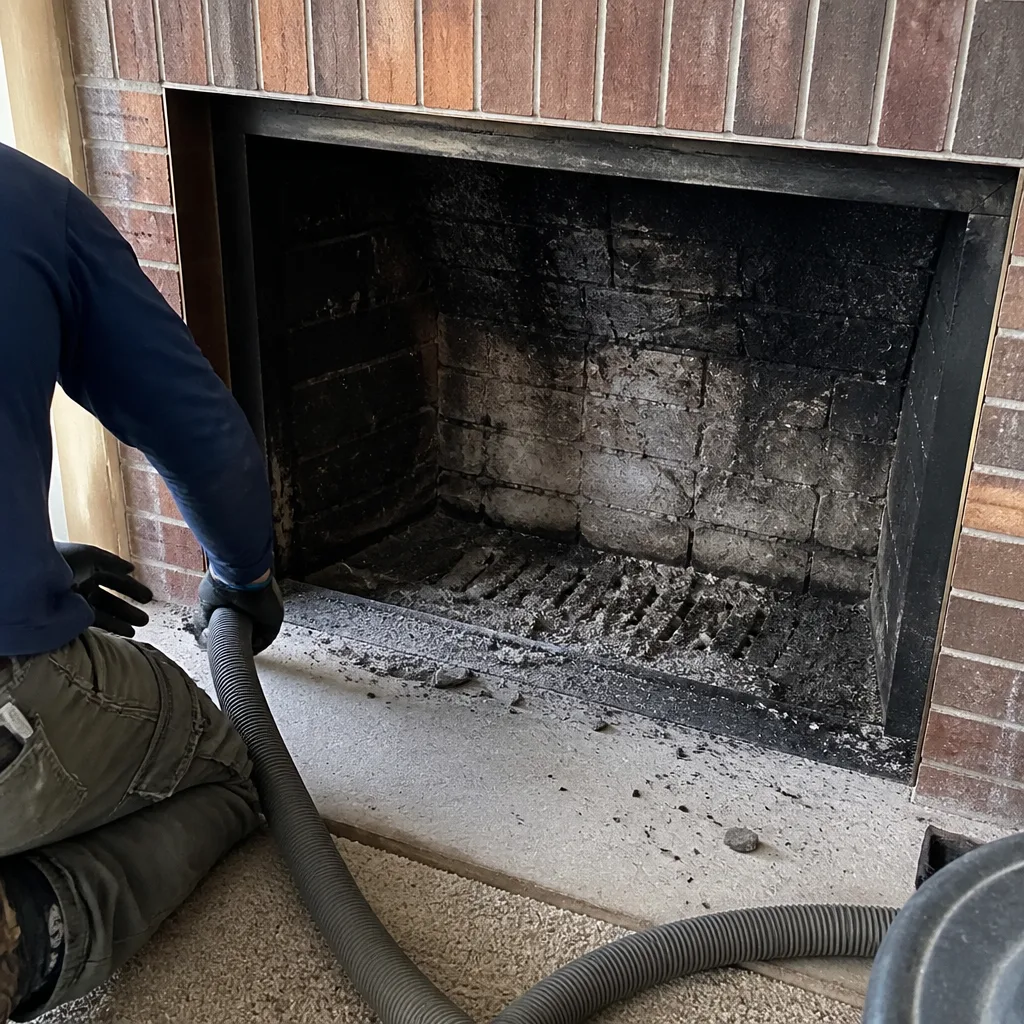 Before
 After
 Before
 After
When to Call a Professional
Call a professional when your chimney hasn’t been serviced within the past year or two, when you’re burning sticky or heavy buildup, when draft is weak or smoke backs into the room, when the cap or crown looks damaged, or when you’ve moved into a Heather Gardens home without a documented chimney history. Also call if you’ve noticed headaches or drowsiness in the home; that’s a carbon monoxide concern that needs a professional assessment, not a brush pass. If you’re honestly unsure whether DIY is enough, that’s the moment to have it looked at.
Chimney Sweep Heather Gardens offers free estimates in Heather Gardens. Call (877) 792-5799. We answer 24/7. Fast dispatch from 7am to 7pm, Sunday through Friday. We inspect what we clean and repair what we find, using professional-grade materials from brands built specifically for the chimney trade.
Frequently Asked Questions
DIY chimney cleaning is reasonably safe as an interim maintenance measure if your flue has been professionally swept and inspected within the past year or two, you burn seasoned wood, and you have proper fall protection for roof access. In Heather Gardens, the elevation and freeze-thaw cycles raise the stakes on anything you can’t see, so DIY is safest when you already know your liner and crown are sound. Call (877) 792-5799 for an exact quote on a professional sweep; estimates are free.
A professional sweep includes creosote staging, liner inspection, mortar joint and firebox assessment, draft evaluation, and a roof-level check of the cap and crown, all documented in a written summary. A DIY brush pass handles only the removal of light soot and flaky creosote. The gap is the diagnostic layer, and that’s where the expensive problems hide. Call (877) 792-5799 to book a sweep and inspection; estimates are free.
A chimney should be swept once a year during the heating season, or more often if you burn heavily or notice heavy buildup. Heather Gardens’ longer heating season and elevation-driven combustion can push creosote accumulation faster than in milder climates, so an annual professional sweep with an inspection is the practical baseline. Call (877) 792-5799 to schedule yours; estimates are free.
No. A DIY brush removes Stage 1 soot and flaky creosote reliably, but it cannot fully remove Stage 2 tar-glazed creosote and won’t touch Stage 3 glazed creosote. Those stages are the ones tied to chimney fires, and they need professional tools, chemical treatment and a trained eye. Call (877) 792-5799 to have your creosote staged and removed; estimates are free.
Yes. A clean-looking chimney can still have a cracked liner, failing mortar joints, a degraded crown, or a draft problem that isn’t visible from the firebox. That’s especially true in Heather Gardens, where freeze-thaw cycles find weak points through the winter. Skipping the inspection is the delay that turns a small repair into a large one. Call (877) 792-5799 to book an inspection; estimates are free.
Yes. We offer five services under one specialist team: sweep, inspection, fireplace repair, chimney repair, and cap and crown installation. That means findings from a sweep or inspection can be addressed immediately without scheduling a second contractor. We use HeatShield for liner resurfacing and Gelco, Famco and Olympia Chimney components for caps and crowns. Call (877) 792-5799 for a free estimate.
The Bottom Line
DIY chimney cleaning isn’t reckless. It’s just partial. A brush and rods remove the layer of soot you can see; they don’t touch the liner condition, creosote staging, mortar joints, draft performance or cap and crown weathering that actually start fires and cause the expensive repairs. In Heather Gardens, altitude and freeze-thaw cycles make that hidden layer more consequential than in a mild climate, and a long heating season means creosote builds faster. The honest call: DIY as an interim touch-up on a known-good flue, professional sweep and inspection on anything else. One specialist for the sweep, the inspection and the fix. That’s the smarter route. And if you’re still unsure, call us. We’ll tell you what we find, and we’ll tell you when work can safely wait.
Call (877) 792-5799. We answer 24/7. Fast dispatch from 7am to 7pm, Sunday through Friday. Estimates are free, the price is set per job by the written estimate, and the local pro is licensed and insured as their state requires. When you’re ready to move from brushing soot to understanding your whole chimney system, start with Chimney Sweep Heather Gardens.
Written by the team at Chimney Sweep Heather Gardens.