
Last updated November 23, 2026
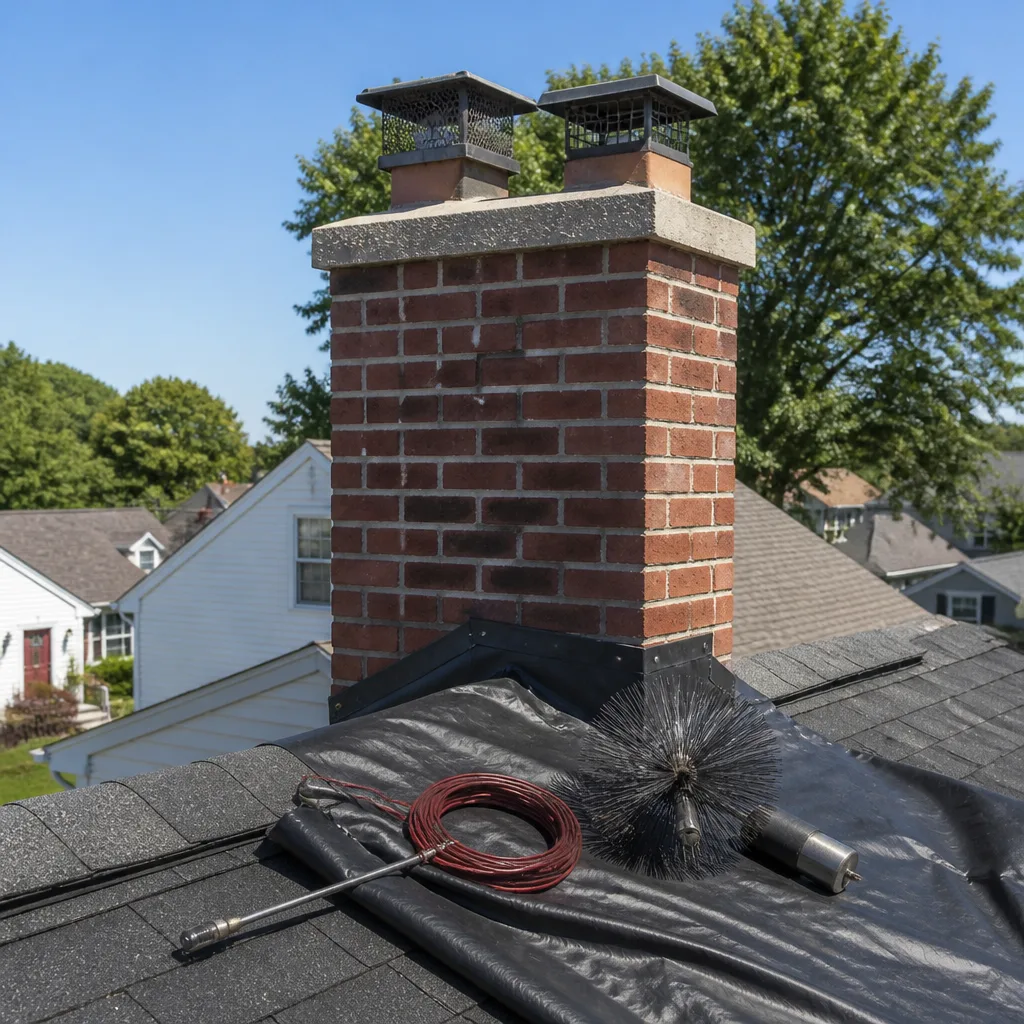 Sweep & inspection
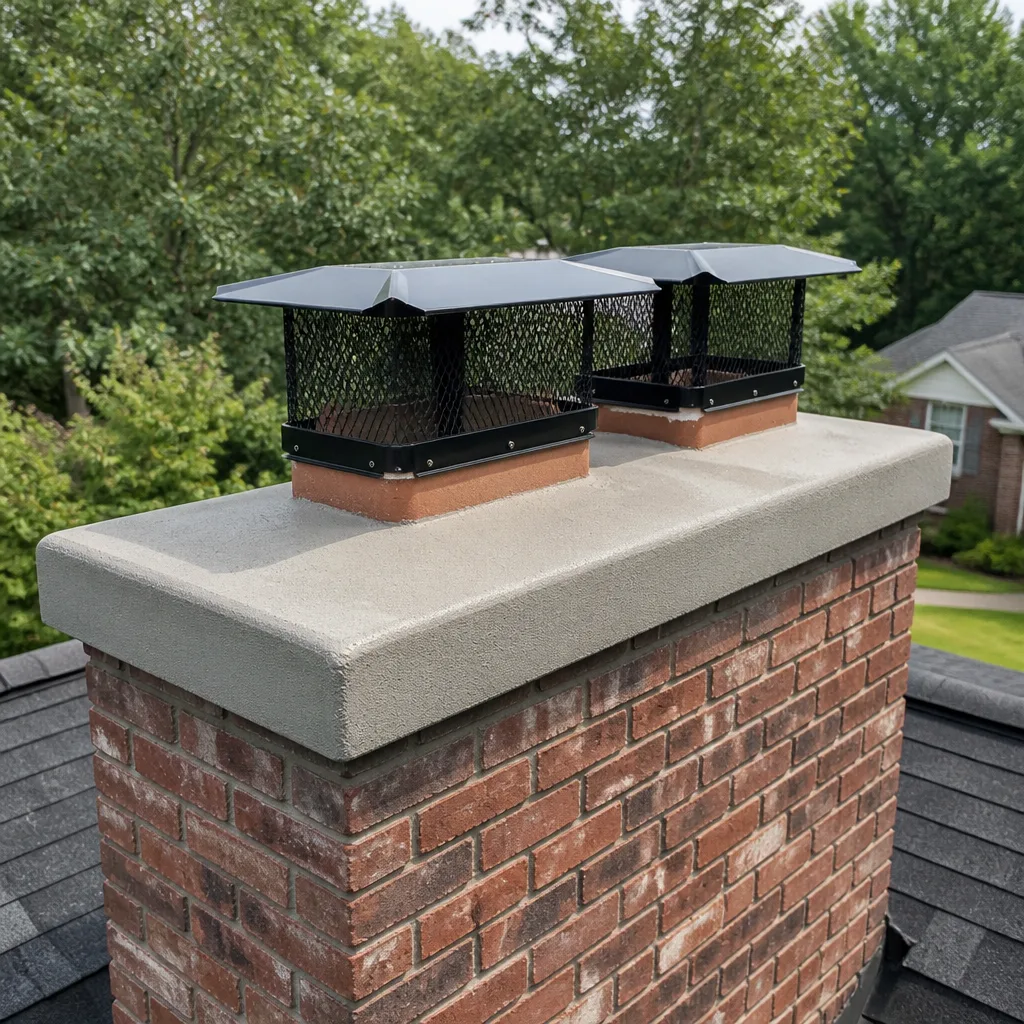 Caps & crowns
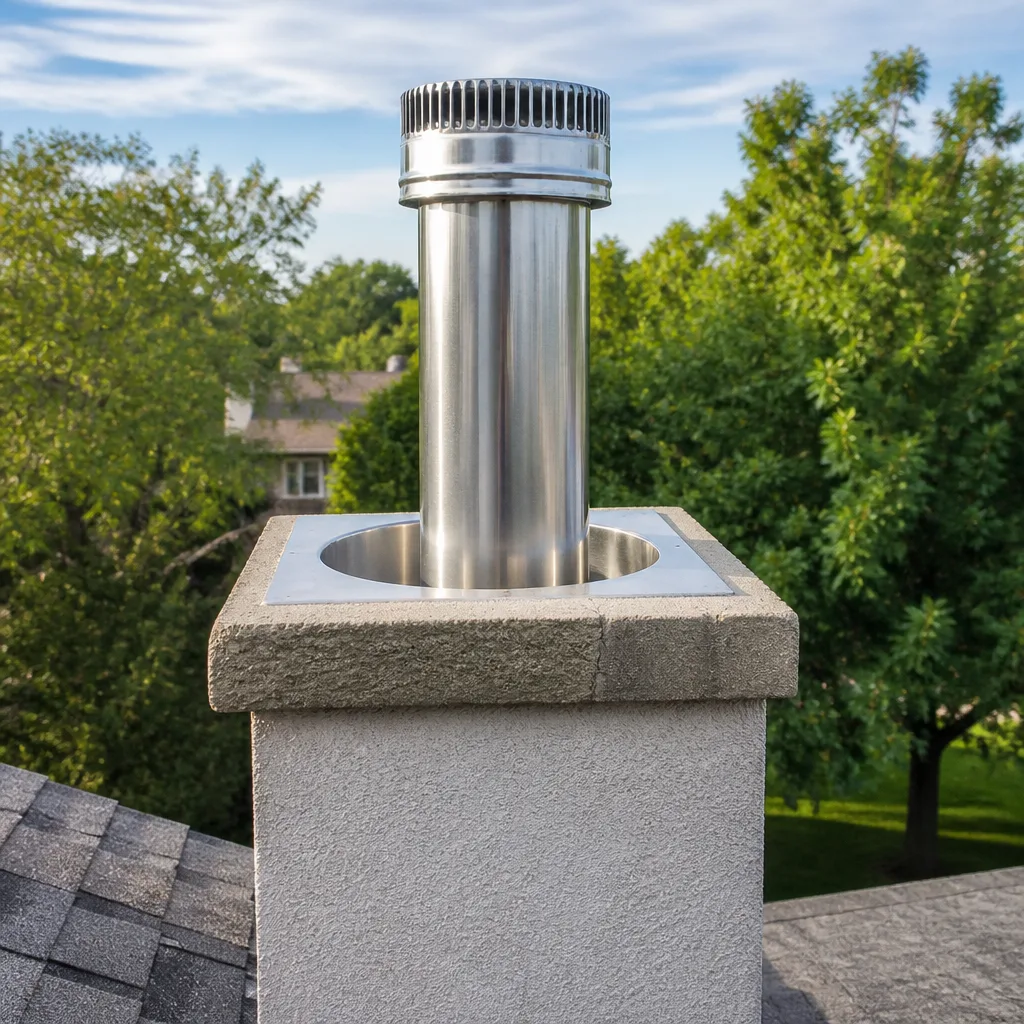 Flue relining
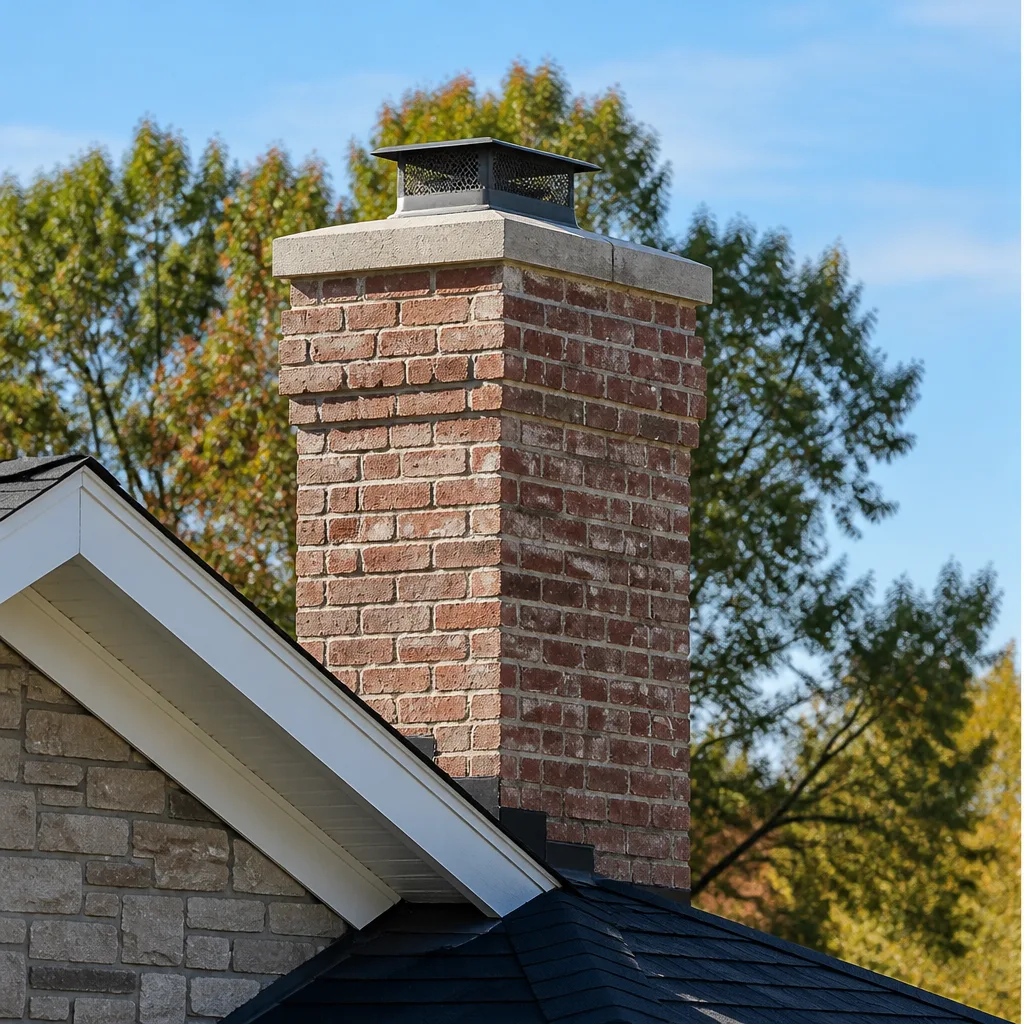 Masonry repair
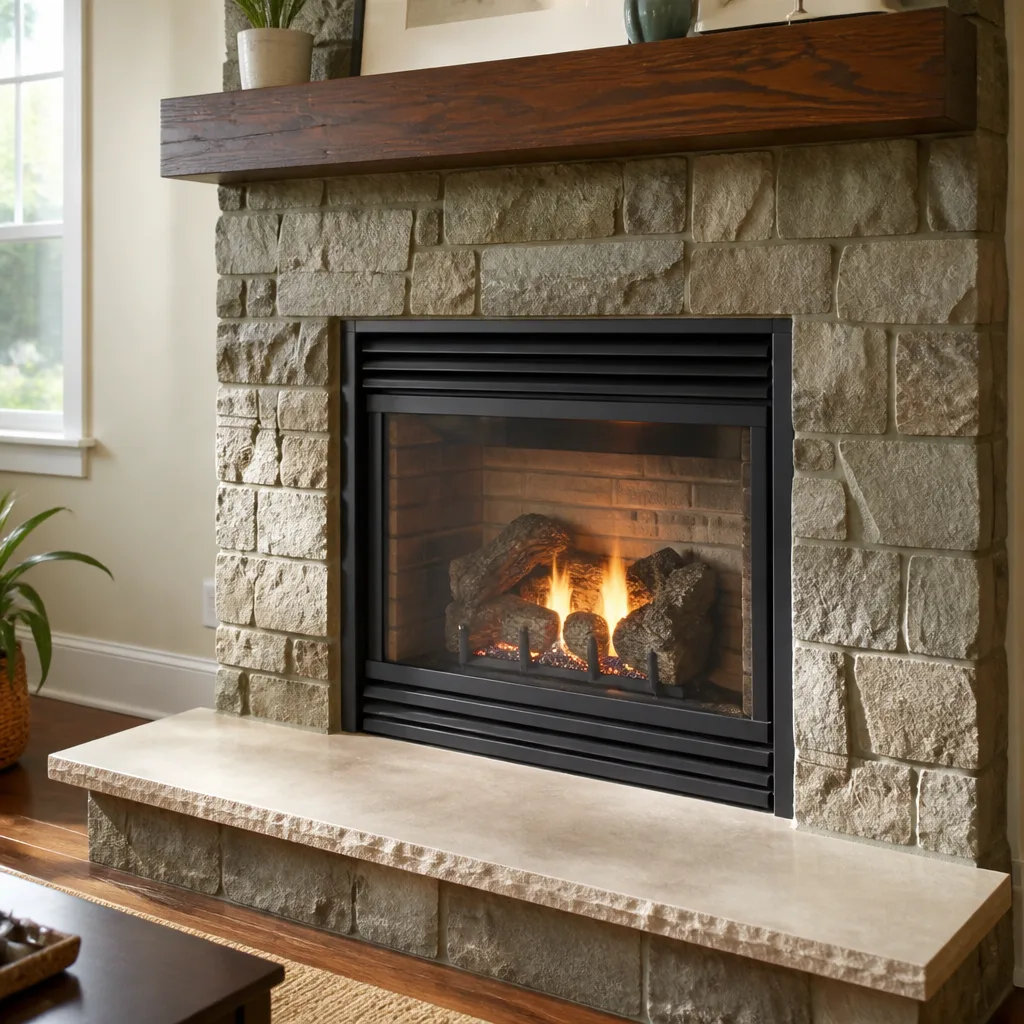 Gas fireplace service
Level 1 sweep and inspection to the NFPA 211 annual standard - flue, crown, cap, and flashing checked and photographed
Chimney sweep logs do not sweep chimneys. They loosen some creosote - which then falls where a brush and vacuum still have to collect it.
How to Hire a Chimney Cleaning Contractor in Heather Gardens: A Step-by-Step Guide
Colorado doesn’t issue a statewide chimney sweep license, and that single fact changes how you should shop for one. The person quoting your cleaning this week could have six months behind a vacuum or sixteen years on real flues, and the business card in your hand will look identical either way. Most homeowners assume a license check settles the question. In Heather Gardens it doesn’t, because there’s no license to check. What separates a real specialist from a generalist with a brush is the questions they can answer and the scope they put in writing. This guide walks you through the entire hiring process, from verifying credentials to reading a service report, so you know exactly what you’re paying for.
Quick Answer
To hire a chimney cleaning contractor in Heather Gardens, verify CSIA certification directly through the Chimney Safety Institute of America, ask five operational questions about scope, documentation and repair capability, and compare written quotes only when they cover the same work. A legitimate quote separates cleaning from inspection, names the components being checked, and comes from a specialist who handles the whole chimney system rather than a handyman adding sweeps to a menu of odd jobs.
Styles & brands we work with
- Sweep & inspection
- Caps & crowns
- Flue relining
- Masonry repair
- Gas fireplace service
Table of Contents
- Why Colorado Has No Sweep License (And What That Means for You)
- What CSIA Certification Actually Means and How to Verify It
- The Five Questions to Ask Before You Book
- How to Compare Quotes When Contractors Scope Work Differently
- Why the Lowest Bid Usually Means Reduced Scope
- What a Legitimate Service Report Should Include
- Treating Your Chimney as a System, Not a One-Time Errand
- What’s Different About Chimney Care in Heather Gardens
Why Colorado Has No Sweep License (And What That Means for You)
Colorado does not require a state license to clean chimneys. That’s not a loophole or a gray area; it’s simply how the trade is regulated here, which is to say barely at all. A person can buy a brush, print a card, and start taking bookings with no training, no insurance, and no oversight. Some of them do competent work. Some don’t, and you can’t tell from the outside.
What this means practically is that every safeguard you’d normally rely on has to come from you instead of from a regulator. When you hire a chimney sweep in Heather Gardens, you’re the vetting layer. The state isn’t going to flag a bad operator for you, and a low price tells you nothing about whether the work is being done correctly.
Here’s what you can verify on your own:
- Certification. The Chimney Safety Institute of America (CSIA) certifies individual sweeps, not companies. You can look up a technician directly on the CSIA website rather than taking a claim at face value.
- Insurance. Ask for a certificate of insurance. A legitimate operator will send it without hesitation. Roof and flue work carries real risk, and an uninsured sweep leaves you holding the loss.
- Scope in writing. What exactly is included? Cleaning only, or cleaning plus inspection? A written scope is the single most useful document you’ll get before the work starts.
The absence of a license requirement means the good contractors in this market earn trust through transparency, not credentials alone. When someone volunteers their certification details and their insurance without being pushed, that’s a signal. When they get vague, that’s a signal too.
What CSIA Certification Actually Means and How to Verify It
CSIA certification is the closest thing this trade has to a professional standard, and it’s worth understanding precisely what it covers. The Chimney Safety Institute of America certifies individual technicians who pass an exam covering codes, combustion science, venting, inspection standards, and safety practices. Certification requires continuing education to maintain. It is not a license, it does not expire once and stay valid forever, and it does not transfer from one person to another.
That last point matters most. A company can advertise “CSIA certified” while the certified technician stays home and an uncertified employee does the work. So the question isn’t whether the company says they’re certified. It’s which technician is showing up, and can you confirm that person’s name against the CSIA directory.
- Ask for the technician’s name before the appointment. A company that hires certified sweeps will give it to you.
- Search that name on the CSIA certified professional lookup. The directory is public and free to use.
- Confirm the certification is current. Expired certifications drop off the roster.
- Ask whether that specific person will be doing the cleaning and inspection. If the answer is vague, keep asking.
What CSIA certification tells you is that the technician was tested on the standards behind the work, not just trained to operate a brush. It doesn’t guarantee every job goes perfectly, and it isn’t a substitute for your own judgment about scope and price. But in a state with no licensing requirement, it’s the most concrete, verifiable credential available, and it’s one you can check in under two minutes.
Our technicians have up to 12 years of experience, and we’re happy to name who’s coming so you can verify them before they arrive. That’s how it should work.
The Five Questions to Ask Before You Book
These questions separate a chimney specialist from a generalist with a ladder. The point isn’t to trip anyone up. It’s to hear whether the answers come easily and specifically, or whether you get a sales script.
- Is the inspection separate from the cleaning, and does the cleaning include an inspection? A real sweep inspects before and after. A basic sweep and a documented inspection are different services with different scope, and you want to know which you’re buying.
- What do you inspect, exactly? You’re listening for specifics: firebox, damper, smoke chamber, flue, crown, cap. Vague answers about “checking the chimney” mean less than a named list.
- Can you repair what you find? A sweep-only operator has to hand you off to a second contractor for any repair. A full-service specialist can address problems on the same visit. Ask directly whether they do repair work or just cleaning.
- What products and materials do you use? Trade-specific brands signal supplier-level knowledge. A sweep who works with professional chimney materials like HeatShield for liner resurfacing, or Gelco and Famco caps and components, is operating in the specialty. A generalist uses whatever’s at the hardware store.
- What will I receive in writing when you’re done? If the answer is “a receipt,” that’s not documentation. Ask what goes on the report: findings, photos, recommendations.
Ask these questions on the phone before the appointment is booked. The way a company answers when nothing is at stake tells you what the work will be like. A specialist answers fluently because these are the questions they think about every day. A generalist deflects, generalizes, or tells you it depends.
One more: ask whether they sweep, inspect, repair, and handle caps and crowns. If you’re going to need more than a cleaning down the road, knowing that one specialist covers the sweep and the fireplace repair saves you from coordinating two companies with different standards.
How to Compare Quotes When Contractors Scope Work Differently
Comparing chimney quotes line by line is misleading if the quotes cover different work. A cleaner who hands you a low number for “a sweep” may simply not be including inspection, and you won’t know until they’ve cleaned and gone. Before you compare prices, make sure you’re comparing scope.
Here’s how to normalize the quotes so the numbers mean the same thing:
- Match the tasks. Put cleaning-only, cleaning plus inspection, and any repair recommendation on separate lines for each contractor. If one quote combines inspection into the sweep price and another charges separately, break them apart.
- Check what gets inspected. One quote may list firebox, damper, smoke chamber, flue, crown and cap. Another may say “chimney check.” Those aren’t the same scope.
- Ask about photos. A quote that includes camera photos and a written report is paperwork you can show another contractor later. A quote that doesn’t is a verbal promise.
- Ask what happens if they find a problem. If cleaning reveals a cracked crown or a failing liner, who fixes it? Does the quote include a path forward, or will you start the hiring process all over?
- Confirm the final price is set in writing. Estimates should be called estimates, and the written scope should set the final price. Watch for vague add-ons.
When you line up real quotes this way, the differences become about scope, not just dollars. Two cleans at two prices only mean something once you know whether the inspections are equal and what the report contains.
A specialist team offering the full range of services under one company gives you one quote and one standard. If a cleaning turns up something that needs a new chimney cap & crown, you’re not re-shopping the job with someone who’s never seen your flue.
Why the Lowest Bid Usually Means Reduced Scope
The lowest bid in chimney cleaning usually reflects less work, not better efficiency. That’s the uncomfortable truth of this trade. The low numbers almost always come from somewhere, and the somewhere is usually an item that’s been quietly removed from the job.
Here’s what tends to disappear from a low bid:
- The inspection. A sweep without a proper inspection is a cleaning with no diagnosis attached. You may leave the appointment not knowing something was wrong.
- Cameras and documentation. A camera inspection and photo report take time. Skipping them makes the price look competitive.
- Careful equipment. Proper drop cloths, high-efficiency vacuums, and time spent not spreading soot through a Heather Gardens living room don’t show up on a quoted price. Their absence shows up on your furniture.
- Accountability. An operator working without insurance or certification isn’t carrying those costs. They’re not carrying your coverage either.
None of this means the highest bid is automatically the right one. It means you should be suspicious when a quote is dramatically lower than the rest, and you should ask what was left out. Sometimes the answer is innocent, like a cleaning-only appointment for a chimney that only needs a cleaning. Often it’s not.
In our experience, the homeowner who calls back six months later to fix something the cheap sweep couldn’t have seen is paying twice for the same chimney. Be specific when you compare. Make each quote list the same tasks, and let the real differences surface. A cleaning you can trust starts with the scope, not the number.
What a Legitimate Service Report Should Include
A receipt proves you paid. It doesn’t document what was done, what was found, or what needs attention. That distinction matters when you sell a house, file an insurance claim, or try to remember next fall whether you were told about a hairline crack in the crown last year.
A proper service report from a chimney sweep in Heather Gardens should contain:
- The date and the service performed. Not just “swept,” but what was swept and what was inspected.
- Findings for each component. Firebox, damper, smoke chamber, flue, crown, cap. Note the condition of each.
- Photos or camera imagery. Visual evidence of the flue interior is standard for a real inspection. If a problem was diagnosed, you should be able to see what the technician saw.
- Recommendations with a plain description. If the technician recommends a repair, the report should say what’s wrong, how urgent it is, and why. Nothing should be recommended that isn’t backed by visible evidence.
- A clear statement of what can safely wait. Good inspectors distinguish between work that’s needed now and work that can be scheduled later. If nothing needs doing, the report should say so.
Ask for a sample report before you book. A contractor who provides detailed documentation has nothing to hide and usually doesn’t mind showing you what one looks like. If a company can’t produce an example, that’s your answer about what you’ll receive.
We inspect what we clean, and the photos come back to you. When a technician recommends HeatShield liner resurfacing or a new cap from Olympia Chimney or Gelco, the recommendation should be attached to evidence you can see and question, not a suggestive sales pitch.
Treating Your Chimney as a System, Not a One-Time Errand
Most homeowners think of chimney care as a yearly cleaning, scheduled and forgotten. The chimney itself doesn’t work that way. It’s a connected system: firebox to damper to smoke chamber to flue to crown to cap. A weakness anywhere in the chain affects how everything else performs.
This is why splitting services across multiple contractors causes problems. The sweep cleans the flue and doesn’t touch the crown. The roofer notices the crown and calls someone else. The fireplace company handles the firebox. Each one sees their piece and works to their own standard, and nobody sees the whole system. Small issues turn into expensive ones because no single tradesperson was tracking them together.
A specialist who handles the whole chain catches problems during routine visits. During a standard cleaning in Heather Gardens, a technician might notice a hairline crack in the crown, a damper that doesn’t seal, or a cap that’s starting to loosen. That’s exactly the moment to fix it, before it’s a leak or a draft or a nuisance animal problem.
The single-contractor approach also simplifies quotes. One estimate covers the sweep, the inspection, the repair if one is needed, and the cap and crown work. You’re not rebuilding your vendor list every time a problem surfaces. The chimney system gets one standard, applied consistently across every part.
What’s Different About Chimney Care in Heather Gardens
Heather Gardens sits on the eastern edge of the Denver metro, and the climate in this corner of Colorado puts your chimney through a particular kind of stress. Winters are cold and dry, with long stretches below freezing. Fireplaces run hard through the cold months and sit idle for the rest. That cycle of heating and cooling, combined with freeze-thaw swings in late fall and early spring, works on masonry and metal components over time.
What that means in practice for homeowners here:
- Seasonal demand shapes scheduling. Front-range sweepers fill up in the fall before burning season starts. Book your cleaning before you need the fireplace, not after the first cold night.
- Crowns and caps take a beating. Freeze-thaw cycles are typically the most common cause of masonry cracks on chimneys along the Front Range. A crack in the crown lets water in, and water in the masonry is what causes bigger problems later. This is also why a Chimney Sweep Heather Gardens visit should include the crown and cap in the inspection, not just the flue.
- Gas and wood fireplaces both need attention. Heather Gardens has plenty of both. Gas units don’t need the same sweep frequency as wood, but they still need inspection for venting problems and carbon monoxide risk, and the maintenance isn’t optional.
- Altitude and dryness affect draft. Chimneys here draw differently than they might in more humid climates. A sweep who works in the Front Range regularly understands how draft behaves at this elevation and what “normal” looks like.
None of this means a Heather Gardens chimney is uniquely fragile. It means the professional you hire should know this climate and be able to speak to how it plays out on a chimney here. That local knowledge is part of what you’re paying for.
Common Mistakes to Avoid
- Hiring on price alone. The cheapest quote usually reflects scope reduction. Ask what was excluded before you book, or you’ll find out later.
- Accepting “CSIA certified” without verifying. The company can claim it; only the CSIA directory confirms it. Ask for the technician’s name and check it yourself.
- Skipping the inspection to save money. A cleaning without inspection leaves you with a swept chimney and no idea what’s happening inside it. That’s exactly the information you’re paying for.
- Not asking about insurance. Working on your roof and inside your flue carries risk. If the sweep isn’t insured, your homeowner policy may end up covering the accident.
- Accepting a receipt as documentation. A receipt says you paid. A service report says what was done, what was found, and what needs doing. Insist on the latter.
- Booking past the start of burning season. In Heather Gardens, fall is when appointments tighten up. Schedule the cleaning before you need to light a fire, not after.
- Coordinating three contractors for one chimney. A sweep-only operator, a roofer for the crown, and a fireplace company for the firebox means nobody sees the whole system. One specialist for all of it keeps the standards consistent.
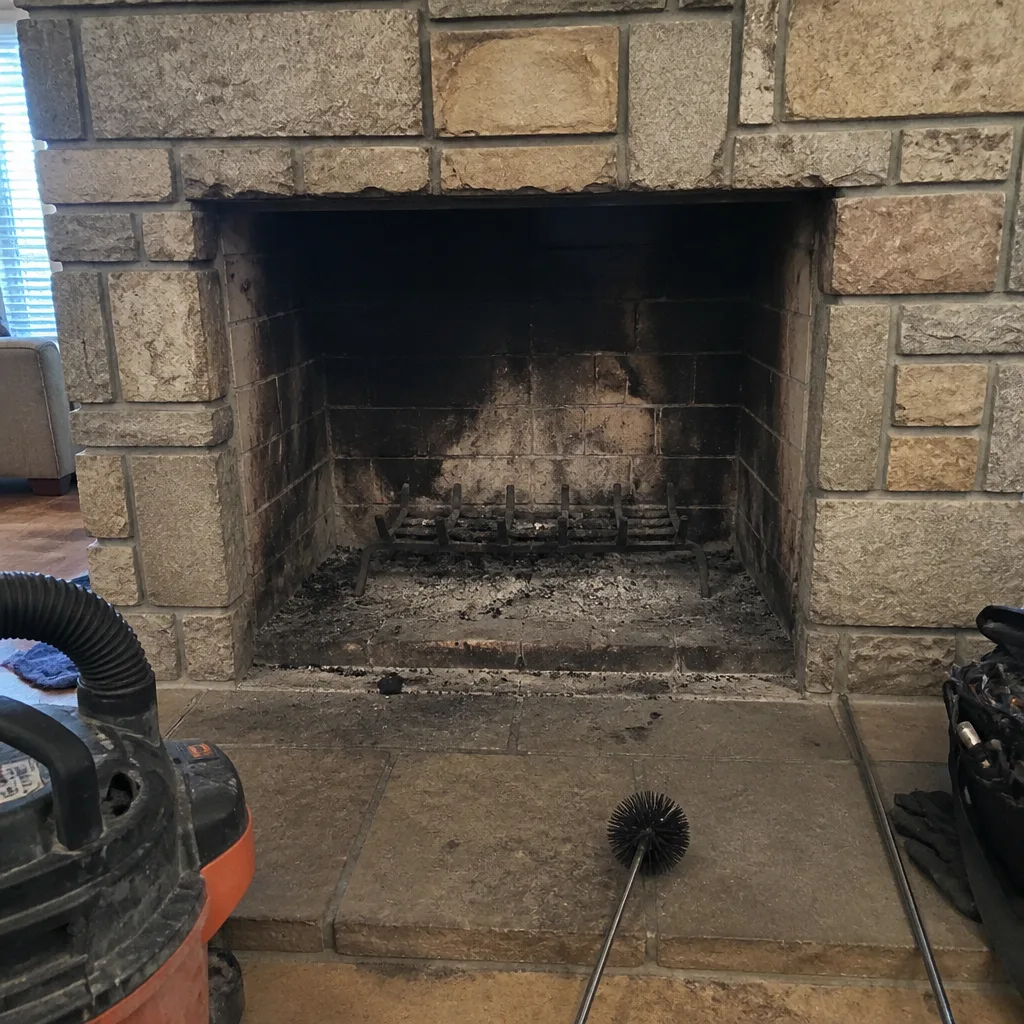
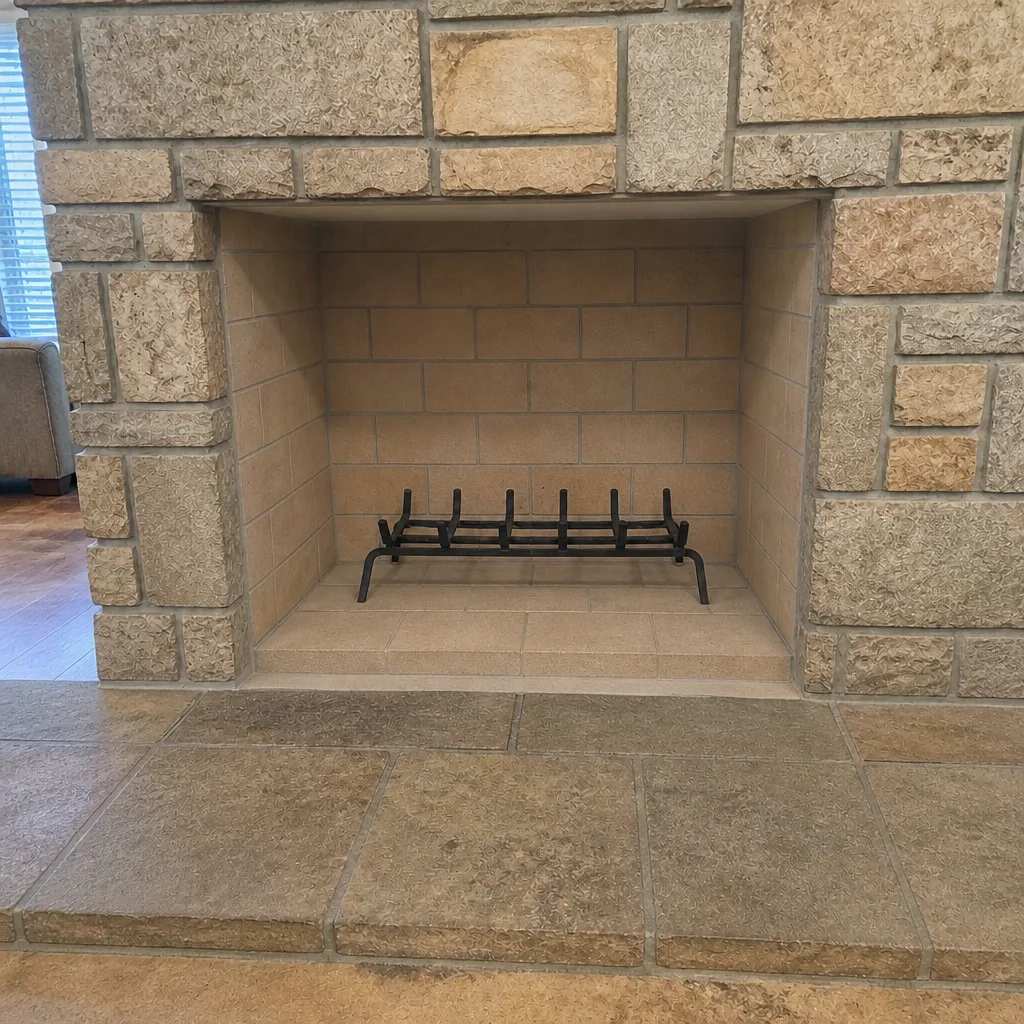
See the difference
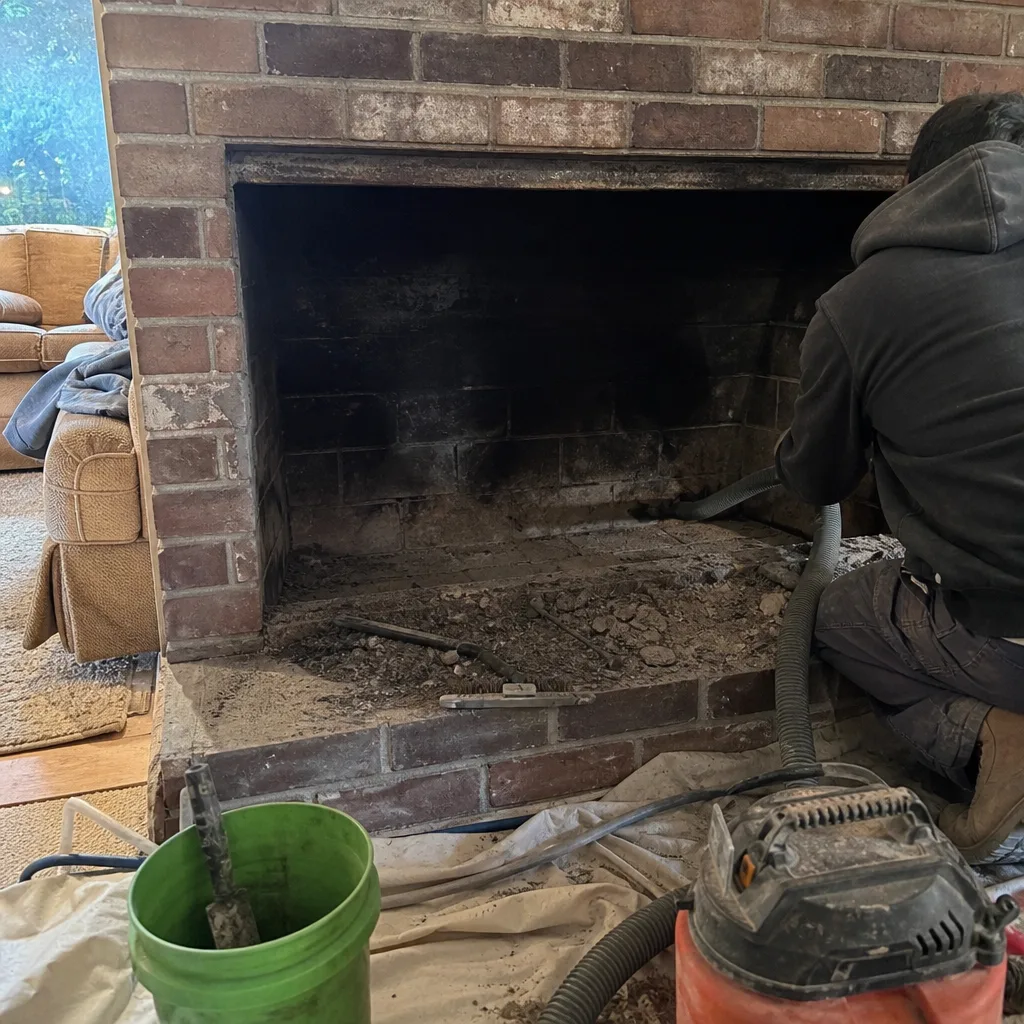 Before
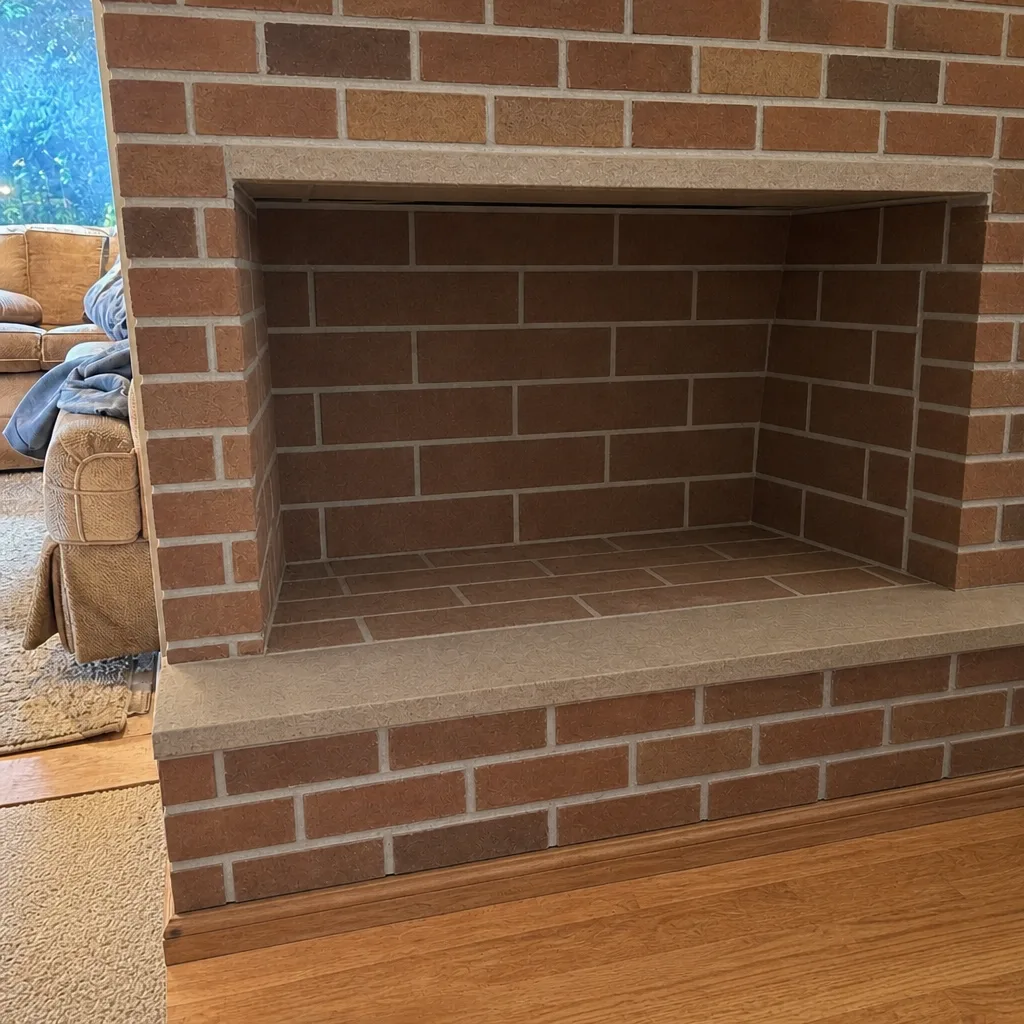 After
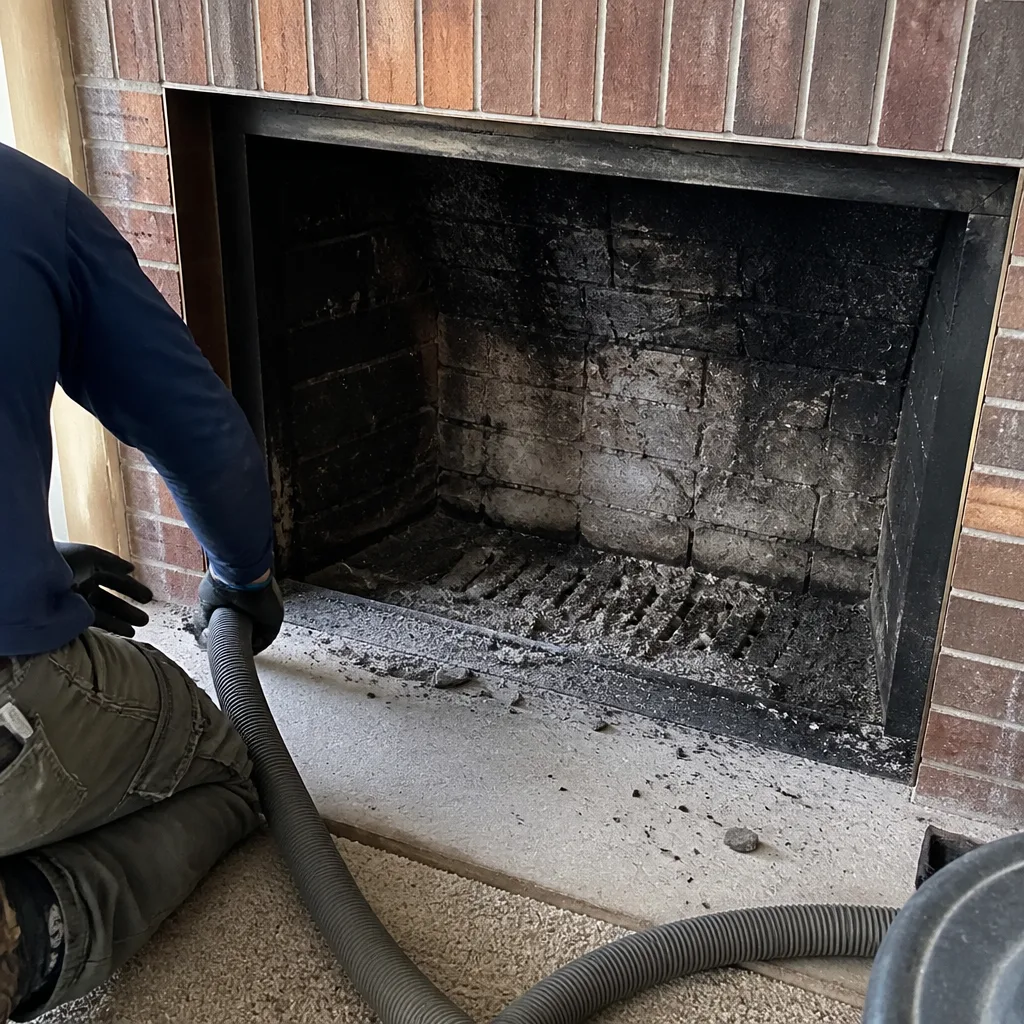 Before
 After
 Before
 After
When to Call a Professional
There are times when a chimney sweep is worth scheduling right now, and not necessarily because something is wrong. You need a professional if you haven’t had the chimney inspected in a year or more, if you’re burning wood frequently through winter, if you’ve noticed smoke backing into the room or a draft that won’t stop, or if you’re buying or selling a house and need documentation of the chimney’s condition. If the flue has ever had a chimney fire, even a small one you put out yourself, that’s a job for a technician with a camera, not a homeowner with a flashlight. And if you’ve never had the chimney looked at since you moved in, this is the time. Chimney Sweep Heather Gardens offers free estimates in Heather Gardens. Call (877) 792-5799. We answer 24/7. Fast dispatch from 7am to 7pm, Sunday through Friday.
Frequently Asked Questions
Once a year for most wood-burning fireplaces, scheduled before the start of your burning season. A gas fireplace needs an annual inspection even though it doesn’t need sweeping the same way wood does. If you burn heavily through the winter, or burn green wood, ask for a check more often. Call (877) 792-5799 for a free estimate and they’ll tell you what your chimney actually needs.
A cleaning removes soot and creosote; an inspection tells you what shape the chimney is in. Those are different jobs, and the inspection is where problems get caught early. A cleaning without a documented inspection gives you a cleaner flue and no information. Call (877) 792-5799 to book an inspection that includes a written report.
The chimney keeps collecting creosote, which is flammable, and the risk of a chimney fire or carbon monoxide problem rises with it. Small issues like a cracked crown or failing cap gasket also get worse with time. Skipping one year isn’t automatically a disaster, but it’s the wrong economy. Call (877) 792-5799 to get the chimney checked before the next heating season.
Anyone can buy a brush, but that doesn’t make it a specialty job. A generalist typically cleans without inspecting, can’t repair what they find, and doesn’t carry trade-specific equipment or materials. A specialist sweeps, inspects, documents, and can repair on the same visit. Ask the five questions in this guide and the difference is easy to hear.
Yes, and the check takes two minutes. CSIA certifies individual technicians, not companies, so verify the specific person showing up. Search their name in the CSIA public directory and confirm the certification is current. In a state without a chimney sweep license, that check is the most reliable credential you have.
Findings for each component, photos, a clear recommendation list, and a note on what can safely wait. If the technician recommends a repair, it should be backed by a photo or camera image you can see. A receipt alone doesn’t tell you anything about the condition of your chimney. Ask for a sample report before you book.
The Bottom Line
Hiring a chimney cleaning contractor in Heather Gardens comes down to verification, not assumption. There’s no state license to check, so your security comes from the questions you ask and the answers you write down. Verify CSIA certification by name. Ask the five operational questions before booking. Compare quotes by scope, not just price, and treat a dramatically low bid as a scope question. Insist on a service report with photos, and choose a specialist who can handle the whole chimney system rather than just the cleaning. Chimney Sweep Heather Gardens works with professional industry brands including HeatShield, Gelco, Olympia Chimney, and Famco, and offers sweeping, inspection, repair, and cap and crown work through one team. Call (877) 792-5799 for a free estimate. We answer 24/7. Fast dispatch from 7am to 7pm, Sunday through Friday.
Written by the team at Chimney Sweep Heather Gardens.