
Last updated November 23, 2026
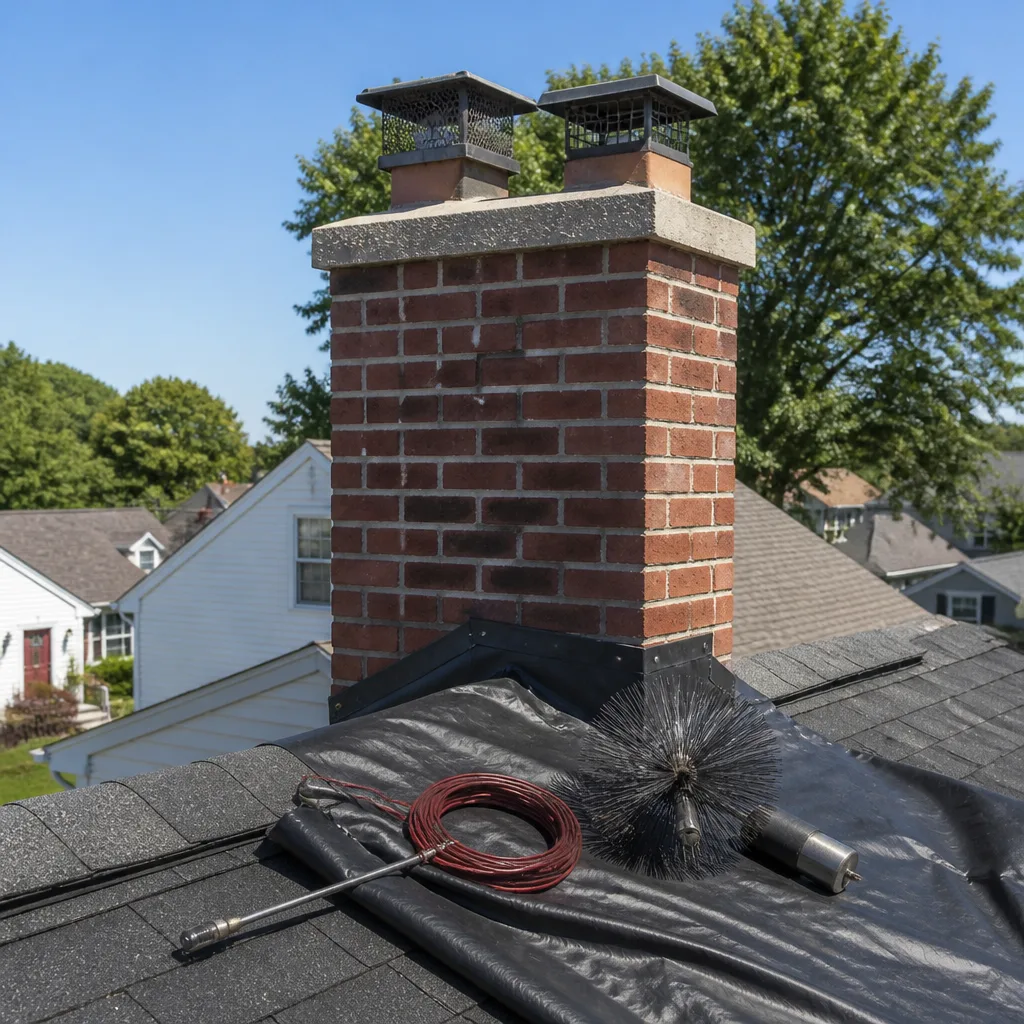 Sweep & inspection
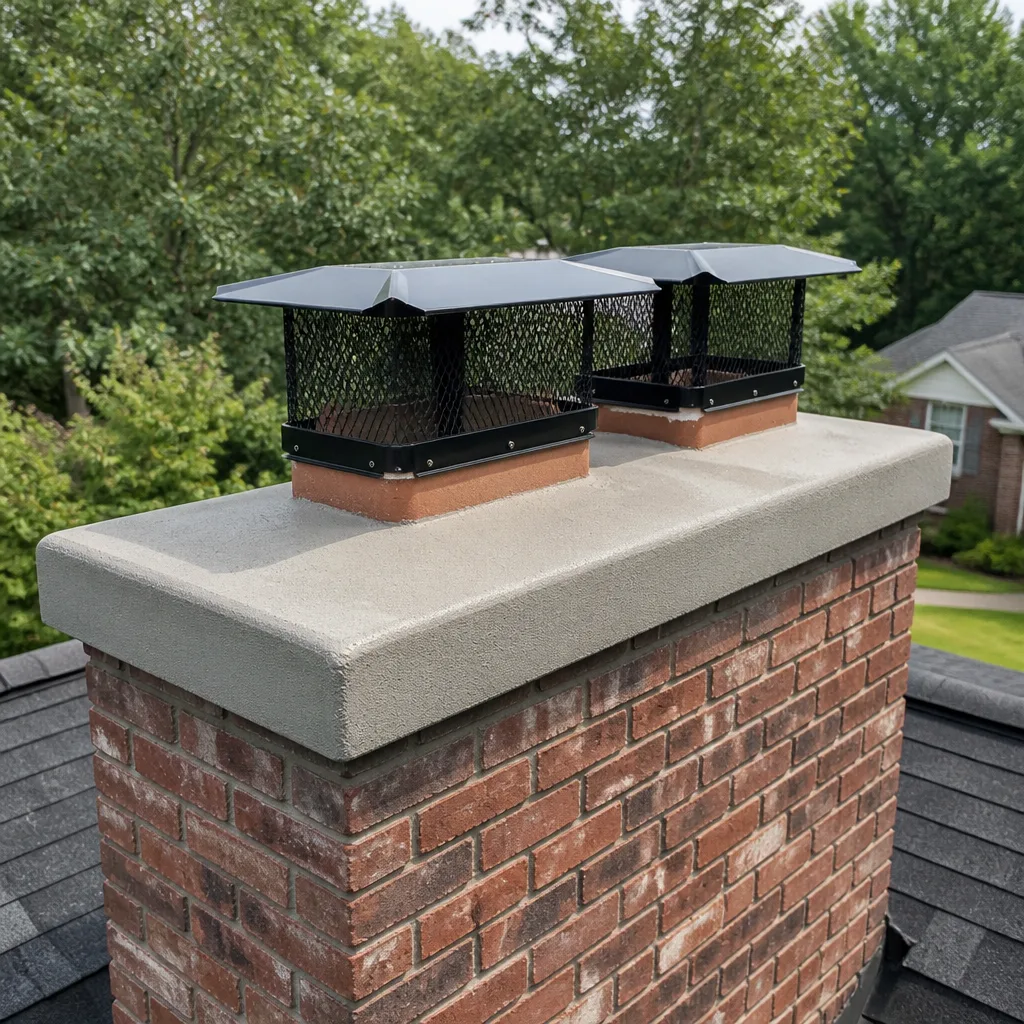 Caps & crowns
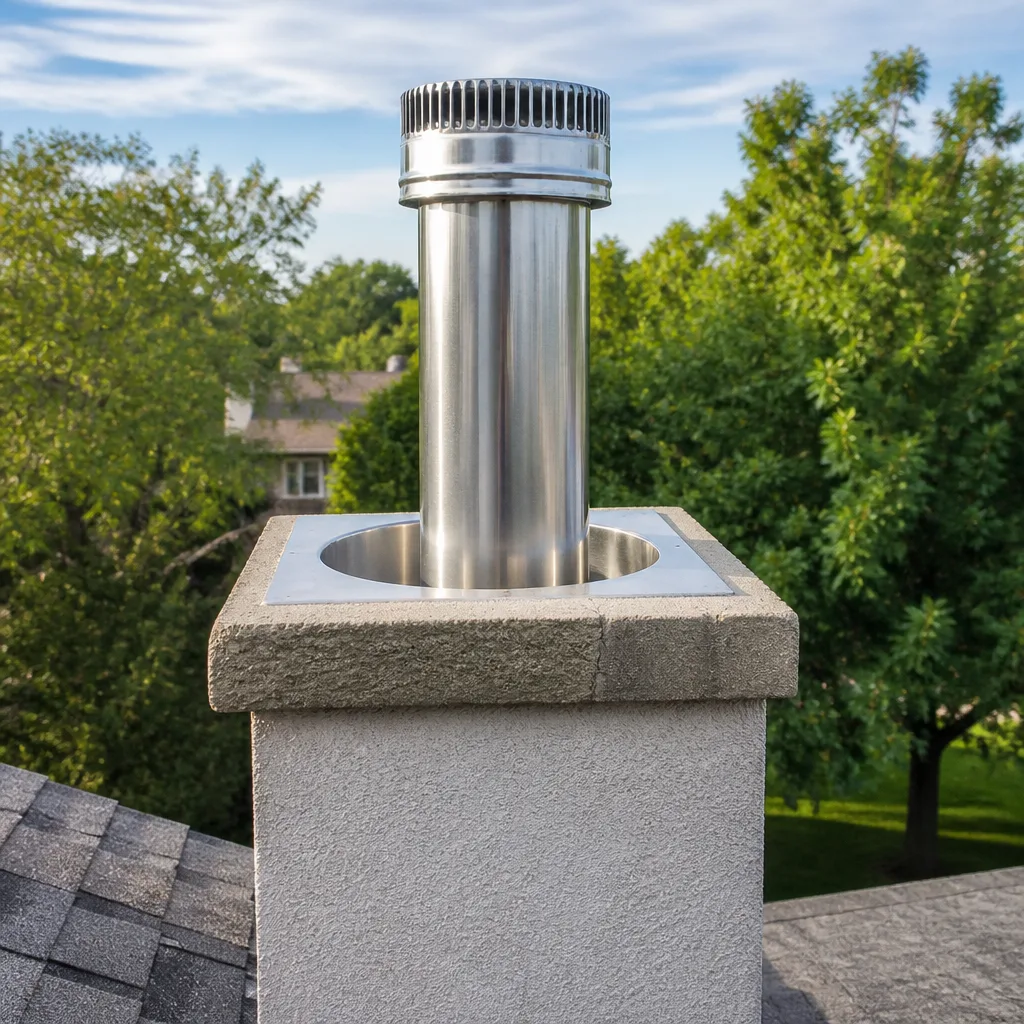 Flue relining
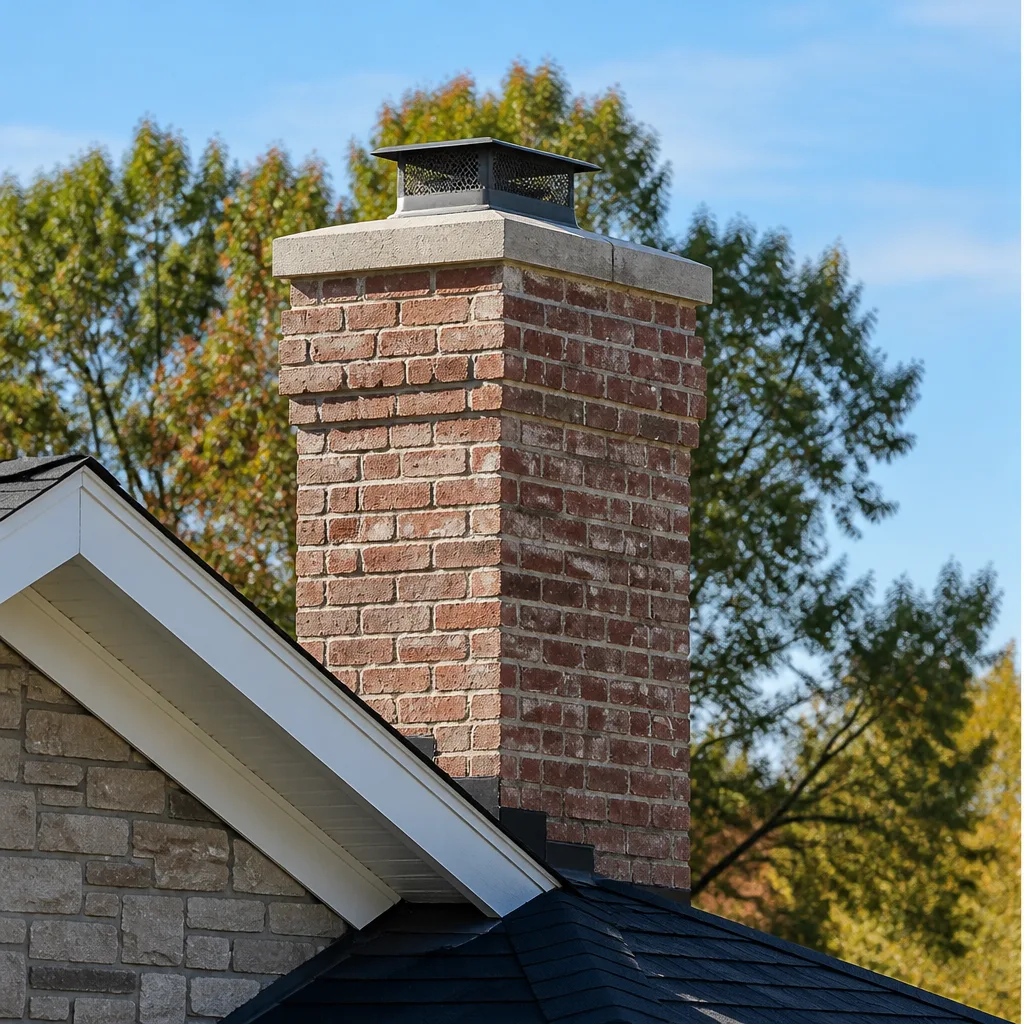 Masonry repair
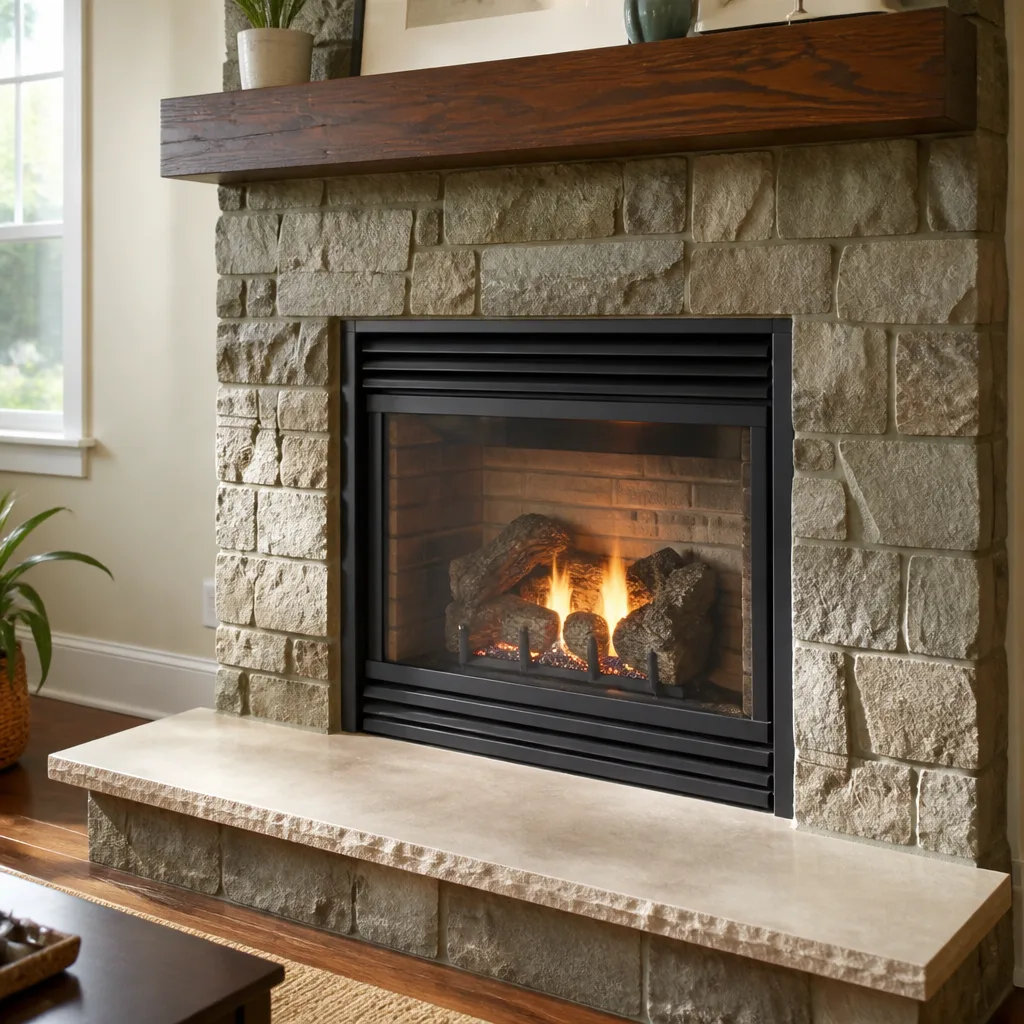 Gas fireplace service
Level 1 sweep and inspection to the NFPA 211 annual standard - flue, crown, cap, and flashing checked and photographed
Chimney sweep logs do not sweep chimneys. They loosen some creosote - which then falls where a brush and vacuum still have to collect it.
Chimney Cleaning Permits, Codes & Inspections in Heather Gardens, CO: What You Need to Know
A chimney cleaning visit requires no permit. A chimney relining job absolutely does, and the contractor who skips that step is leaving you with a code violation attached to your property, not theirs. That’s the part most Heather Gardens homeowners never hear until a home inspector or an insurance adjuster asks a question nobody can answer. The confusion is understandable: the trades that serve chimneys split neatly into maintenance work, which falls outside the permit system, and structural work, which doesn’t. The line is real, it’s enforced unevenly, and it matters when you sell or file a claim. This guide walks through where that line sits under Colorado building code, how NFPA 211 shapes inspections and local enforcement in the Denver metro, what each inspection level actually covers, and the questions to ask before any repair begins. Our technicians have up to 12 years of experience with these rules in practice. Here’s what we’ve learned about how they’re applied in Heather Gardens.
Quick Answer
In Heather Gardens, CO, routine chimney sweeping and standard inspections (Level 1 and Level 2) don’t require a permit, but structural work like chimney relining, masonry rebuilds, crown replacement, and firebox modification typically does. Colorado building code, applied through the local authority having jurisdiction (AHJ) in the Denver metro, governs that structural work, and NFPA 211 is the industry standard cited in the adopted codes. Unpermitted work can affect homeowners insurance claims and is generally expected to be disclosed during a Colorado real estate sale.
Styles & brands we work with
- Sweep & inspection
- Caps & crowns
- Flue relining
- Masonry repair
- Gas fireplace service
Table of Contents
- Where the Permit Line Falls in Colorado
- How NFPA 211 Functions as the Standard
- Level 1, 2, and 3 Inspections: What Each Covers
- Unpermitted Work, Insurance, and Real Estate Disclosure
- What to Ask Your Contractor Before Any Repair
- Why Heather Gardens Conditions Affect Your Chimney
- Sweeping vs. Inspecting: Why We Treat Them as One Visit
- Keeping the Paper Trail That Protects You
Where the Permit Line Falls in Colorado
The line between maintenance and permitted work is fairly clean once you see it laid out. Chimney cleaning removes creosote and debris from an existing flue, and doing that changes nothing about how the chimney is built. Repair work changes the structure of the chimney or its venting, and that’s where the permit system kicks in. In the Denver metro, individual jurisdictions interpret and enforce this within Colorado building code, which is why a Heather Gardens address can occasionally require a different permit path than a home a few miles away in another municipality.
Maintenance work that typically requires no permit:
- Chimney sweeping (creosote and soot removal)
- Level 1 and Level 2 inspections
- Cleaning the firebox and smoke chamber
- Replacing a chimney cap with a same-spec product
- Minor firebox grooming that doesn’t change dimensions
Structural or venting work that typically requires a permit:
- Chimney relining, including liner resurfacing systems
- Masonry rebuilds above the roofline
- Crown replacement or reconstruction
- Firebox modification or rebuilding
- Changing flue size, height, or the flue path
- Converting a wood-burning fireplace to gas (often needs both a permit and a venting review)
The key phrase in most code language is “structural alteration.” A liner is part of the venting system, and installing a new liner is a structural change to a chimney. This is why a Heather Gardens homeowner who calls for a routine chimney sweep can end up hearing the word “permit” during the visit. Not because the sweep required one, but because the deeper inspection found something on the repair list. When a chimney is a system, sweep and inspection and repair are connected services, not three separate bills.
How NFPA 211 Functions as the Standard
NFPA 211, the Standard for Chimneys, Fireplaces, Vents, and Solid Fuel-Burning Appliances, is the technical reference that most adopted building codes rely on for chimney work. It’s not itself law. It’s the standard that the code points to when local jurisdictions adopt it, and that’s how it becomes enforceable in the Denver metro. If you’re ever asked to prove that a chimney repair was done to code, the actual proof is that the work followed NFPA 211 and passed inspection by the AHJ.
The AHJ is critical to understanding how this plays out in a place like Heather Gardens. Every municipality in the Denver metro has its own building department, and each one interprets the adopted code and NFPA 211 a little differently. What gets pulled as a permit in one city may be a routine inspection in another. What gets waived for a like-for-like replacement in one case may need a full permit in another. Contractors who work this territory routinely know the difference; contractors who drive in from outside don’t.
The practical implications of NFPA 211 for a Heather Gardens homeowner:
- Clearances to combustibles from the chimney and flue are defined by the standard, not by intuition
- Liner sizing must match the appliance, and undersized or oversized liners fail inspection
- Crown condition and cap condition are evaluated against ventilating requirements
- Chimney height relative to roof pitch is specified, which matters on the varied roof lines in Heather Gardens
- Level of inspection required is determined by the type of work being performed, not by what’s most convenient
This is the reason we work with brands built specifically for the chimney trade. DuraFlex liners and HeatShield liner resurfacing systems are both designed to land inside NFPA 211 requirements without a fight, and using components from manufacturers who build to the standard saves a lot of problems at inspection time. Famco and Copperfield components similarly come with the documentation an AHJ will want to see.
Level 1, 2, and 3 Inspections: What Each Covers
NFPA 211 defines three levels of chimney inspection. Each level covers a different scope, and each one is triggered by a different situation. Knowing which one you actually need prevents both overpaying for an inspection you didn’t require and missing one that would have protected you. The level required is set by the circumstances, not by the technician’s preference.
Level 1 Inspection
A Level 1 inspection covers the readily accessible portions of the chimney, fireplace, and connected appliance. No tools that require damaging or removing parts of the structure. The inspection looks at the firebox, damper, smoke chamber, visible flue interior, chimney exterior, and the appliance connection.
Level 1 is generally sufficient when:
- The appliance hasn’t changed since the last inspection
- No changes have been made to the chimney structure
- You’re continuing a routine annual inspection cycle
- The chimney is used as it has been
Level 2 Inspection
A Level 2 inspection goes further. It includes everything in a Level 1 plus inspection of accessible attic and crawl space areas, and it typically uses a camera to look at the full interior of the flue. A camera inspection gives you visual evidence of the flue’s condition, which matters when a repair recommendation gets made.
Level 2 is required or strongly recommended when:
- You’re buying or selling a home (this is the standard for a real estate transaction inspection in Colorado)
- The appliance has been changed or replaced
- The chimney has been through a chimney fire, even a small one
- An operating malfunction or a change in how the fireplace draws has occurred
- An earthquake, severe weather event, or structural work has affected the chimney
Level 3 Inspection
A Level 3 inspection is the most invasive. It’s performed when a Level 1 or Level 2 inspection has found a serious hazard, and it requires access to concealed portions of the chimney, which can mean opening walls or removing parts of the chimney structure. Level 3 inspections are targeted: they investigate a specific known concern rather than the whole system.
Level 3 is indicated when:
- A Level 2 inspection turned up evidence of a hidden hazard
- Damage to concealed portions of the flue is suspected
- A repair has been completed and its interior must be verified
We offer inspections as a standalone service, not only as a bundled part of a sweep. That matters because when you need a Level 2 for a real estate transaction or after a chimney event, you should be able to get the documented inspection on its own terms. fireplace repair recommendations also rest on a real inspection, not on a glance from the top of a ladder.
Unpermitted Work, Insurance, and Real Estate Disclosure
Unpermitted chimney work is a quiet problem. It doesn’t cause damage on its own, and it doesn’t call attention to itself until someone asks a question, usually an insurance adjuster or a buyer’s home inspector. When that question lands, the answer is entirely in documentation. If the paperwork doesn’t exist, the work is unpermitted, and unpermitted work is a complication your policy and your future sale don’t need.
How this tends to play out for a Heather Gardens homeowner:
- Insurance claims. If a chimney fire or carbon monoxide event happens, the insurer investigates the cause and the history of the chimney. Unpermitted structural work in the affected system can complicate or jeopardize a claim, especially if the work is implicated in the incident. Policies vary, so the reliable move is to keep the paperwork clean.
- Real estate disclosure. In Colorado, sellers are asked to disclose known material defects and known conditions affecting the property. Unpermitted chimney work is generally expected to be disclosed, and a buyer’s inspector will very often find it. The sale can still happen, but the buyer negotiates knowing there’s a permit issue.
- Buyer’s inspection. A buyer’s inspector will order a Level 2 inspection of the chimney during the transaction inspection window, and that inspector will compare what’s on the chimney to what’s on record. That comparison is where unpermitted work gets flagged.
- Refinancing. A lender’s appraiser can flag an unpermitted structural change to the chimney, and getting it permitted retroactively is a lot costlier than permitting it in the first place.
The fix for unpermitted work is not to panic. It’s to get a proper inspection, understand exactly what was done, and get the work into the permit system with a licensed and insured local professional doing the corrective scope. The local pro is licensed and insured as their state requires, and the written estimate sets the final price, so there’s no surprise in the corrective path. What we can see behind a camera, we can document. What we can document, you can show your insurer or your buyer.
What to Ask Your Contractor Before Any Repair
Before you sign off on a repair, get clear on who is pulling the permit and what the AHJ will see on the record. A contractor who skips that question is doing you no favor, no matter how smooth the presentation. Asking the right questions before the work starts is cheaper than asking them after the work is done and something has gone wrong.
Ask these seven questions before any chimney repair in Heather Gardens:
- Is this work on the permit list? Ask them to state plainly whether the scope of the proposed repair typically requires a permit with the local AHJ. A contractor who knows the work also knows the answer.
- Who pulls the permit? The permit should be pulled in the name of the contractor who’s doing the work, not the homeowner. If they tell you to pull it yourself as an owner-builder, ask why, and understand that this changes who carries the risk.
- What’s the inspection schedule? Ask whether the AHJ requires rough-in and final inspections, and whether the contractor will be on site to meet the inspector. What can be covered by another installer’s inspection record isn’t your permit.
- Which inspection level did you perform, and why? Find out what triggered the repair recommendation. If it’s a Level 2 or Level 3 recommendation, get the reason in writing. If the answer is “because I recommend it,” ask them to show you the camera footage.
- Can I see the camera footage? Nothing we recommend gets recommended without camera evidence you can see for yourself. If a contractor won’t show you the interior of your flue, that’s a fair reason to get a second opinion.
- What materials are going in? Liner materials should be specified by brand and product. HeatShield, DuraFlex, and Copperfield components are professional-grade, and knowing what’s being installed makes the permit record meaningful.
- Will I receive the final inspection record? Ask for a copy of the final inspection sign-off and the manufacturer’s documentation on the materials. Keep both with your home records.
Our company works with a curated roster of professional chimney industry brands precisely so the answer to question six is never a vague “industry standard.” We also treat cap and crown work as its own scope, and chimney cap & crown installation uses Gelco, Famco, and Olympia Chimney components sourced from manufacturers who build for the venting trade. That specificity is what makes the permit paperwork defensible.
Why Heather Gardens Conditions Affect Your Chimney
Heather Gardens sits on the eastern edge of the Denver metro, at the western reach of the high plains. That position shapes how a chimney ages. The Front Range swings hard between dry spells and snow events, with freeze-thaw cycles that run through winter and into early spring, and the sun comes out between storms and warms exterior masonry while the interior is still cold. Masonry expands and contracts across those swings, and hairline cracks in the crown and at mortar joints are the normal result. The same swings weather the cap, and a cap that’s deformed lets moisture down the flue.
Two other things matter specifically in this part of the metro:
- Altitude. Heather Gardens sits around 5,500 to 5,800 feet above sea level depending on the block. Combustion at altitude is less efficient, which means a wood-burning fireplace in Heather Gardens produces more creosote per cord than the same fireplace at a lower elevation. That’s not a scare tactic, it’s basic draft physics, and it’s the reason the annual sweep interval matters so much here.
- Burning season length. The heating season on this stretch of the metro tends to run from October into April, though a cool May evening still sees a fire lit. Creosote accumulates across the whole run of that season, and the shoulder months when the fire is used lightly are exactly when people think it’s too soon to schedule. It isn’t. Late summer, before burning season starts, is the calmer window for a sweep.
The practical effect on permits and inspections: the wear-and-tear pattern here is more likely to produce crown and cap repairs and liner recommendations than a fireplace in a milder climate would see at the same age. That means the permit line comes up more often in a Heather Gardens chimney than the homeowner expects. The Chimney Sweep Heather Gardens team sees the pattern regularly. What gets caught during a routine visit is a lot cheaper than what gets discovered after a chimney event.
Sweeping vs. Inspecting: Why We Treat Them as One Visit
A sweep removes creosote. An inspection assesses the condition of the chimney system. They’re separate services, and they serve different purposes, but doing them apart is how problems get missed. The sweep is the only time a technician is inside the flue with eyes on the walls; skipping the inspection at that moment means the next look happens on the next visit or during an emergency.
Here’s what a proper combined visit looks like:
- Pre-inspection. Before any cleaning, the technician inspects the accessible components and takes notes on the current condition.
- Setup and protection. A drop cloth and containment protect the hearth and adjacent flooring. A HEPA vacuum runs during the sweep.
- Sweep. A rotary or brush sweep removes creosote from the flue interior, and the firebox and smoke chamber are cleaned.
- Camera inspection. A video scope follows the sweep, giving the technician (and you) a look at the full interior of the flue. This is the evidence base for any recommendation that follows.
- Written report. The findings, with photos from the camera inspection, go into a written report with any recommended next steps.
- Repair conversation. If the report calls for work, the conversation starts now, not on a second appointment with a second contractor.
What we won’t do is recommend liner or masonry work you have no way to verify. If the camera shows the flue is sound, we say so. If it shows something that can safely wait a season, we say that too, and we tell you what to watch for in the meantime. That’s not a marketing angle; it’s the only sustainable way to work a trade where the customer can’t easily check your recommendation on their own. Full-service capability from one specialist team means the sweep, the inspection, and any chimney cap & crown or liner work don’t get spread across three appointments with three contractors, and the permit conversation stays in one place.
Keeping the Paper Trail That Protects You
The paper trail from a chimney service is worth more than most homeowners realize. It’s what you hand to a buyer’s inspector, what you show your insurer if there’s ever a claim, and what you consult when you’re deciding whether a repair recommendation is real. A chimney is a system, and the system needs a record.
What should be in your chimney file for a Heather Gardens home:
- The most recent inspection report, with the level noted and the camera images attached
- The sweeping record, with the date and the technician’s findings
- Any permit applications filed and the final inspection sign-off for structural work
- Manufacturer documentation for any liner, cap, or crown components installed
- A written estimate for any recommended work not yet done, with the reasoning noted
This file protects you in four specific ways. It supports any insurance claim that touches the chimney system. It answers the buyer’s inspector cleanly during a real estate transaction. It provides a baseline for the next technician, who can compare current condition against documented condition. And it protects you against an outsized repair recommendation, since you can see what the flue looked like on the last visit and what it looks like now.
Our reports are written with the camera evidence attached because that’s what makes them useful. If a recommendation ever lands on the report and you aren’t sure about it, that report is the document you ask a second company to review. If a technician can’t explain a recommendation in terms of what’s visible on the camera, that’s a fair reason to stop and ask questions.
Common Mistakes to Avoid
- Skipping a Level 2 inspection during a real estate transaction. A buyer’s inspector will very likely order one, and if the seller hasn’t done one, everything gets rushed in the transaction window. Getting a Level 2 done before listing is calmer and gives you time to address anything it finds.
- Letting a contractor talk you out of a permit for structural work. “It’s a small job, we don’t need a permit” is the sentence that creates the insurance headache later. If the scope is a reline, a rebuild, or a crown reconstruction, the permit conversation isn’t optional.
- Accepting a liner recommendation without seeing the camera footage. We won’t recommend a liner without camera evidence you can see, and that standard applies to any contractor you hire. If the footage isn’t shown, ask for it.
- Assuming the sweep and the inspection are the same thing. A contractor who cleans the flue and hands you a receipt but never inspects the interior leaves the actual condition of the chimney unknown. Ask for the inspection report, not just the cleaning receipt.
- Scheduling the sweep in the middle of burning season. Late summer, before the first cool evening in Heather Gardens, is the calmer window and gives time for any recommended repairs to be permitted and completed before you want a fire.
- Not keeping the records. A chimney file is the single document set that protects you at insurance time and at resale. If you can’t find the last inspection report, that’s a sign to schedule the next one and start keeping them.
- Hiring a general handyman for a permit-worthy repair. Chimney structural work is specialty work, and it’s the wrong place to save a few dollars on a general contractor. The permit record lives with the property, and the inspection will look at the workmanship.
See the difference
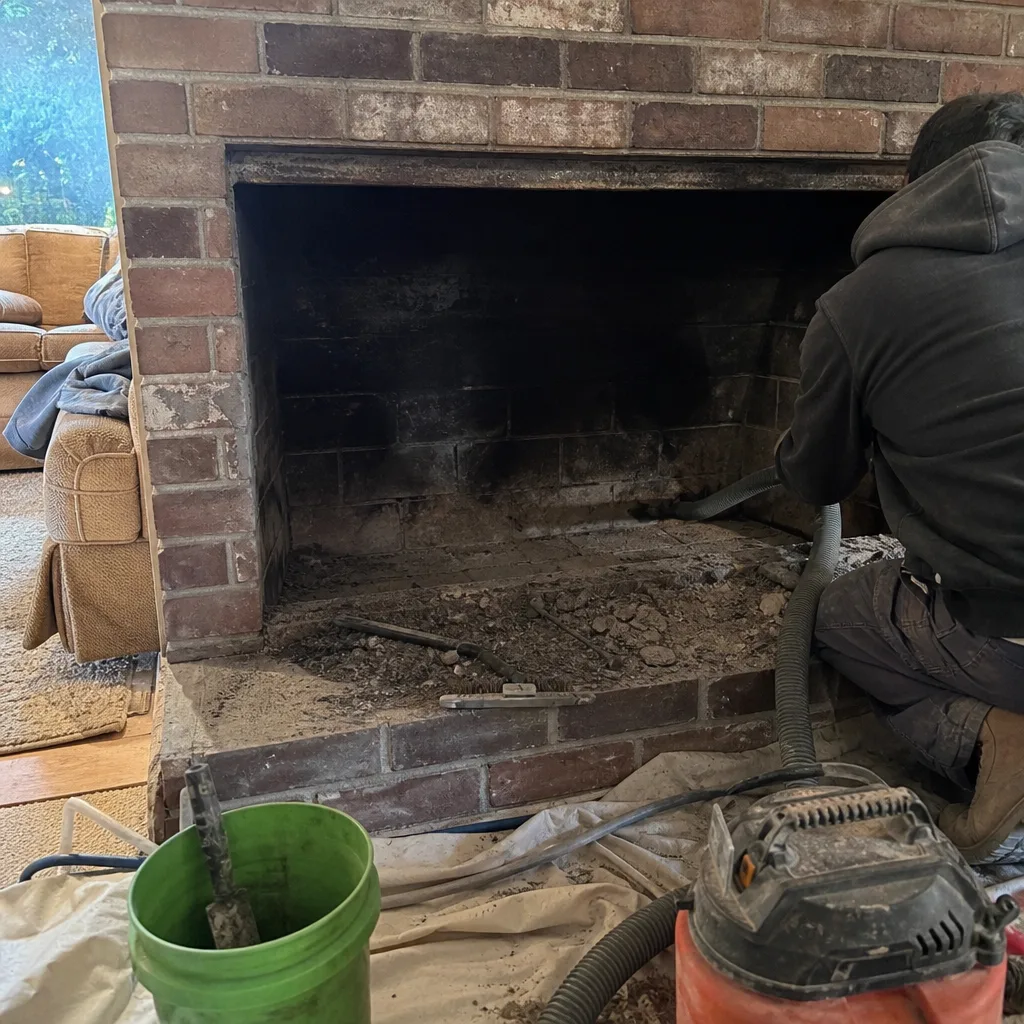 Before
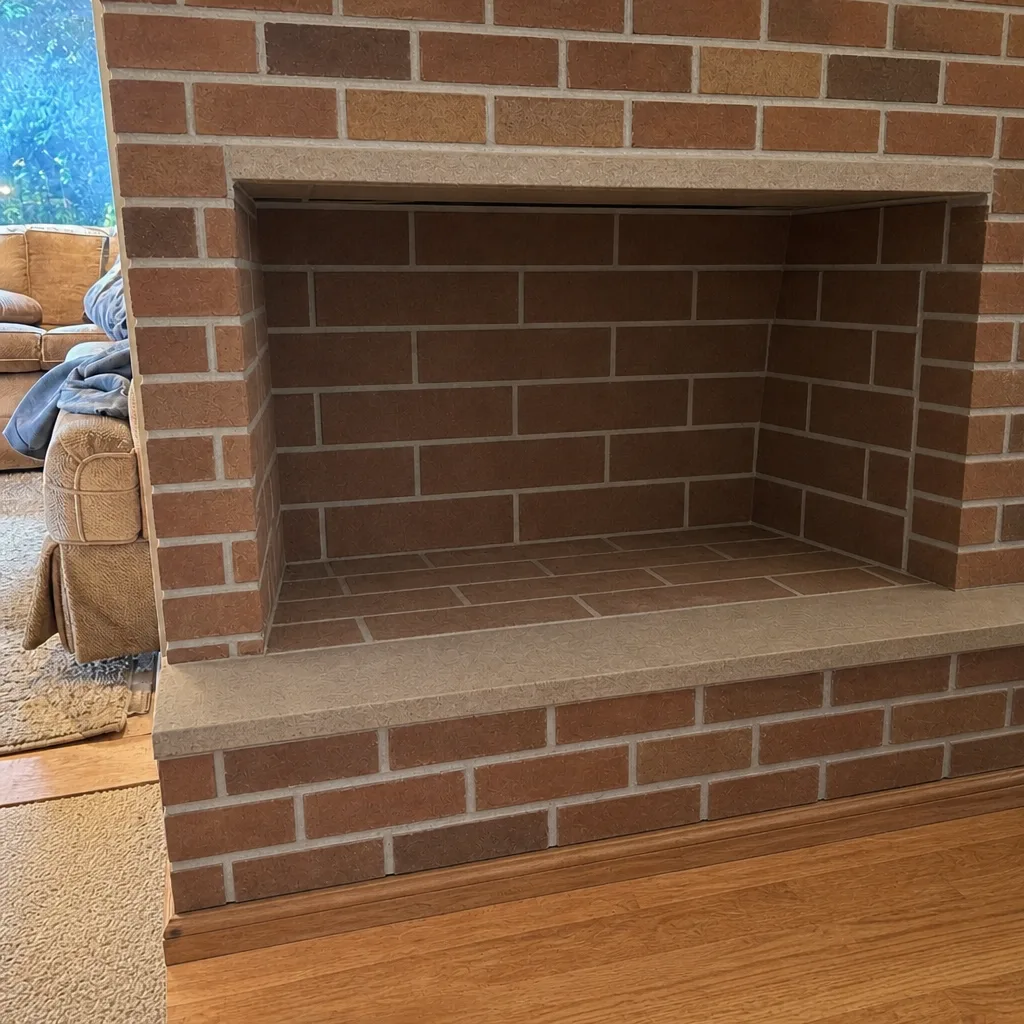 After
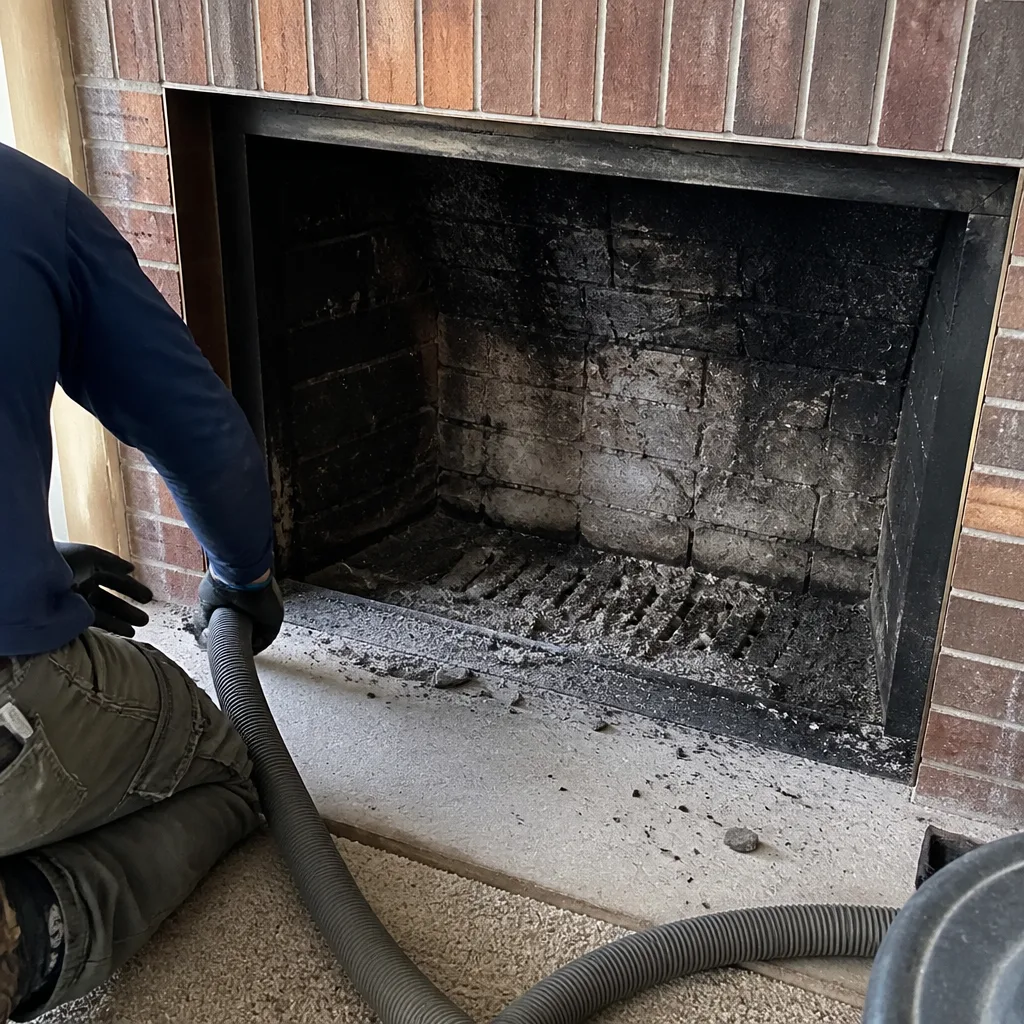 Before
 After
 Before
 After
When to Call a Professional
Call a professional when you’re buying or selling a home and haven’t had a Level 2 inspection. Call when your fireplace has drawn poorly, smelled smoky on a cold start, or left a heavier than usual creosote load after a season. Call when you’ve had any chimney fire, even one you think was minor. Call when you’re hearing a repair recommendation from another contractor and want the camera evidence reviewed before you commit. And call when the last inspection is more than a year old and the chimney hasn’t been seen by a technician since.
Call if the chimney cap is deformed or missing, if the crown has visible cracks, or if you see rust staining on the exterior masonry. These are the conditions here that tend to escalate from small to structural on this stretch of the metro, and catching them at the small stage is where permit and repair costs stay reasonable. Chimney Sweep Heather Gardens offers free estimates. Call (877) 792-5799. We answer 24/7. Fast dispatch from 7am to 7pm, Sunday through Friday. The written estimate sets the final price, no surprises on the invoice.
Frequently Asked Questions
No. Routine chimney sweeping is maintenance work and doesn’t require a permit in Heather Gardens or anywhere else in the Denver metro. The permit question only comes up if a repair, reline, rebuild, or crown replacement is being done as part of the visit. Call (877) 792-5799 for an exact quote on a sweep, estimates are free.
You need a new liner if the camera inspection shows the current flue is compromised, undersized for the appliance, or no longer able to contain the combustion products safely. It’s not an upsell if there’s footage to back it up; if the footage doesn’t exist or isn’t shown to you, ask for it before agreeing. A sound clay flue can often continue in service, and a HeatShield liner resurfacing system is sometimes the correct answer instead of a full reline. Call (877) 792-5799 to schedule the inspection that settles the question.
Once a year during active burning is the standard baseline, and the high altitude here produces a bit more creosote per cord than lower elevations, so the annual sweep matters. If you burn heavily, consider checking mid-season. If you use the fireplace only occasionally, the annual visit still catches crown and cap conditions before they become structural. Call (877) 792-5799 to book the sweep, estimates are free.
Creosote accumulates without being seen, and the crown and cap conditions that lead to moisture intrusion and masonry repair don’t show up from the ground. Skipping the annual visit means those conditions get discovered later, often during a real estate transaction or an emergency, and the repair scope at that point is larger than it would have been. Call (877) 792-5799 and get the appointment on the calendar before burning season.
Ask for the permit number and the final inspection sign-off from the authority having jurisdiction, and keep both with your home records. A legitimate contractor will have the record on file and will be able to produce it. If neither exists, the work is likely unpermitted, and the corrective path is to get a Level 2 inspection and address it properly. Call (877) 792-5799 to start with the inspection.
A Level 2 inspection is the standard for a Colorado real estate transaction, and it includes a camera inspection of the flue interior plus the accessible attic and crawl space portions of the chimney. Scheduling it before listing gives you time to act on the findings. Call (877) 792-5799 and we’ll document what the buyer’s inspector will ask about.
The Bottom Line
The permit line in Heather Gardens is clearer than it feels: cleaning and inspection don’t require a permit, and structural or liner work typically does. NFPA 211 is the standard the local AHJ enforces, and Level 1, Level 2, and Level 3 inspections each answer a different question, triggered by different circumstances. Unpermitted work quietly creates insurance and disclosure complications, and the fix is a documented inspection, camera evidence of what’s actually there, and a contractor who pulls the permit in their own name. Ask the seven questions before any repair. Keep the paper trail. Our technicians have up to 12 years of experience with these rules in practice, and we work with HeatShield, DuraFlex, Gelco, and Famco because the materials on the permit record should be as solid as the paperwork.
Call Chimney Sweep Heather Gardens at (877) 792-5799 for a free estimate. We answer 24/7. Fast dispatch from 7am to 7pm, Sunday through Friday. The written estimate sets the final price, and every recommendation comes with camera evidence you can see for yourself. One specialist for the sweep, the inspection, and the fix, in Heather Gardens and across the Denver metro.
Written by the team at Chimney Sweep Heather Gardens.