
Last updated November 23, 2026
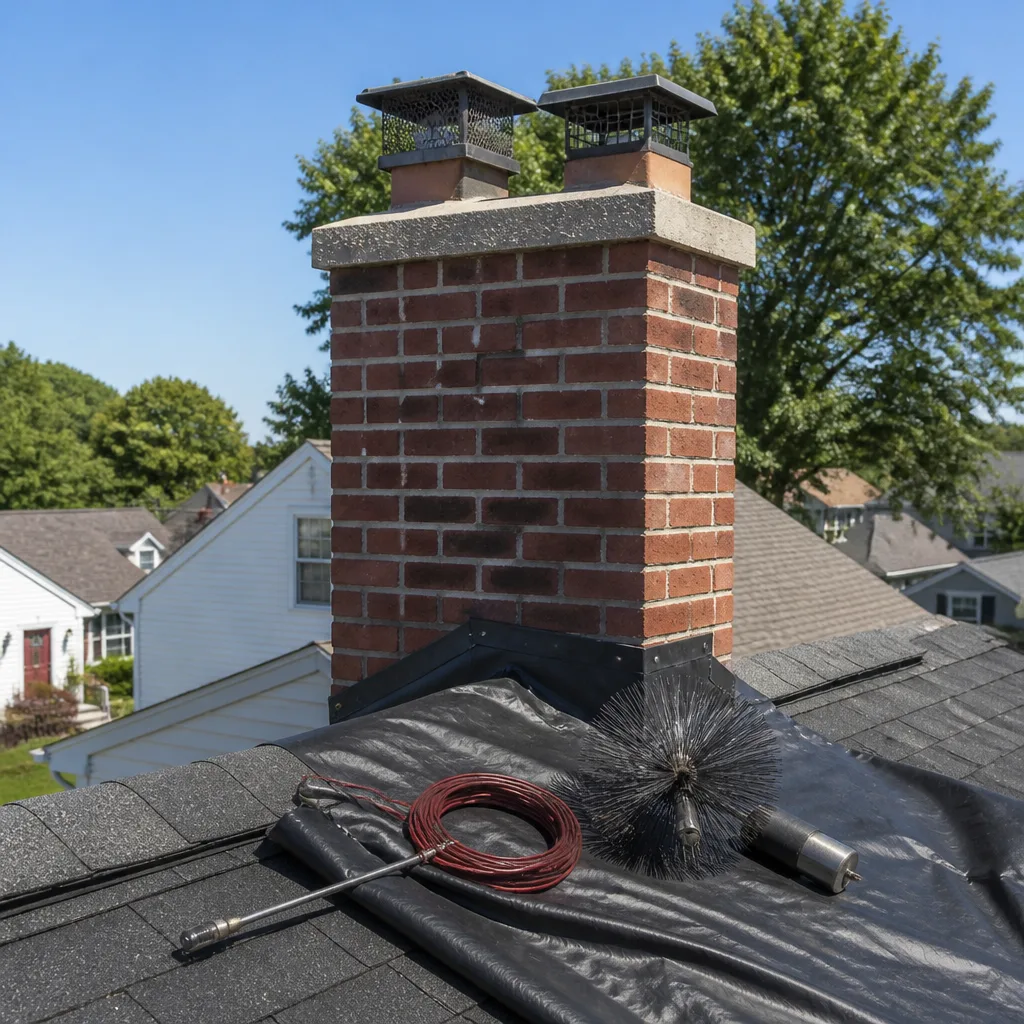 Sweep & inspection
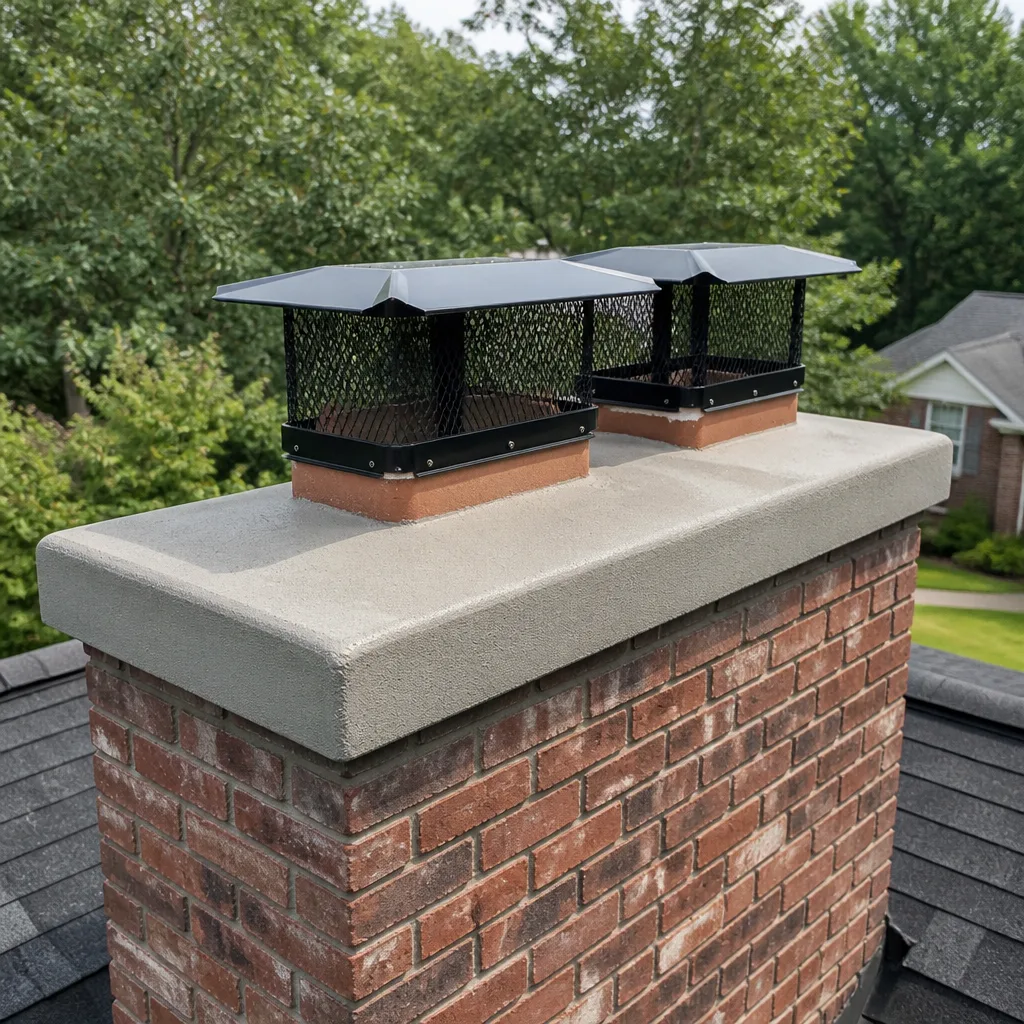 Caps & crowns
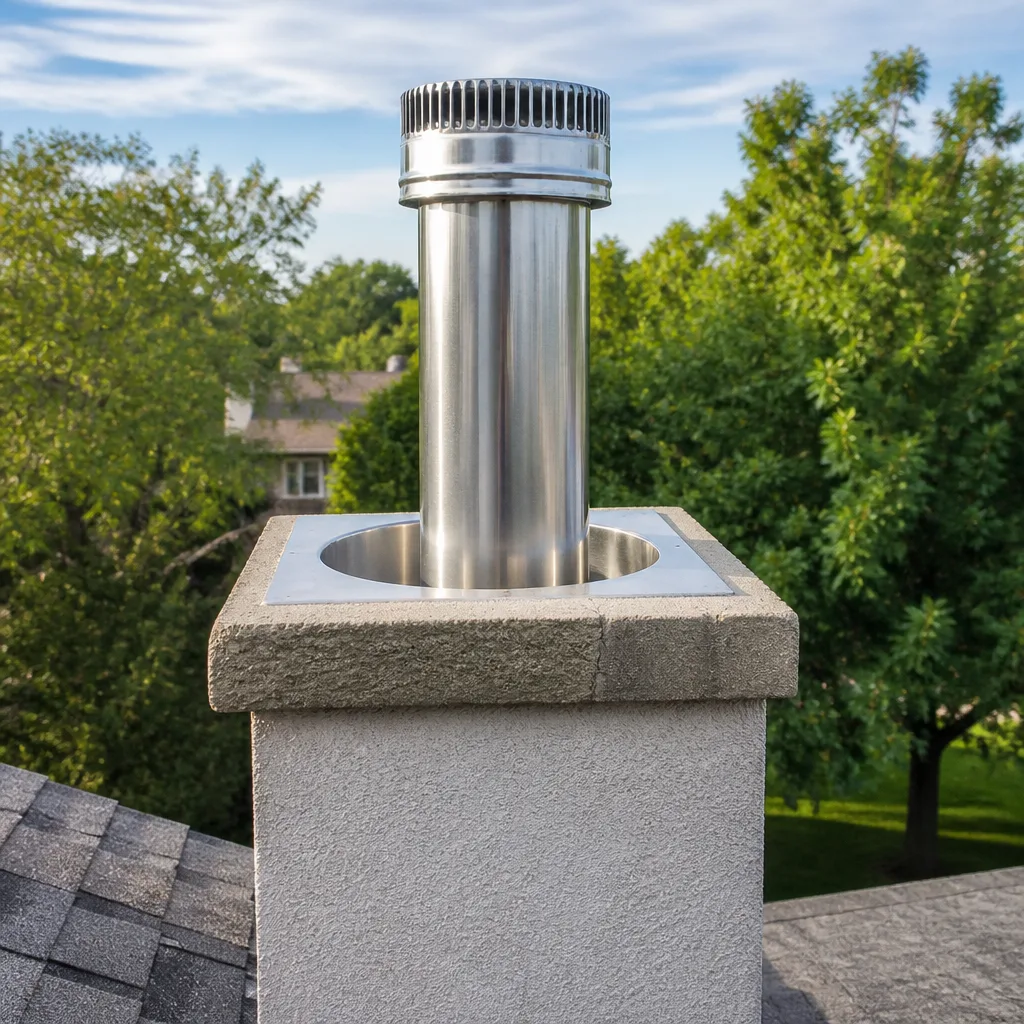 Flue relining
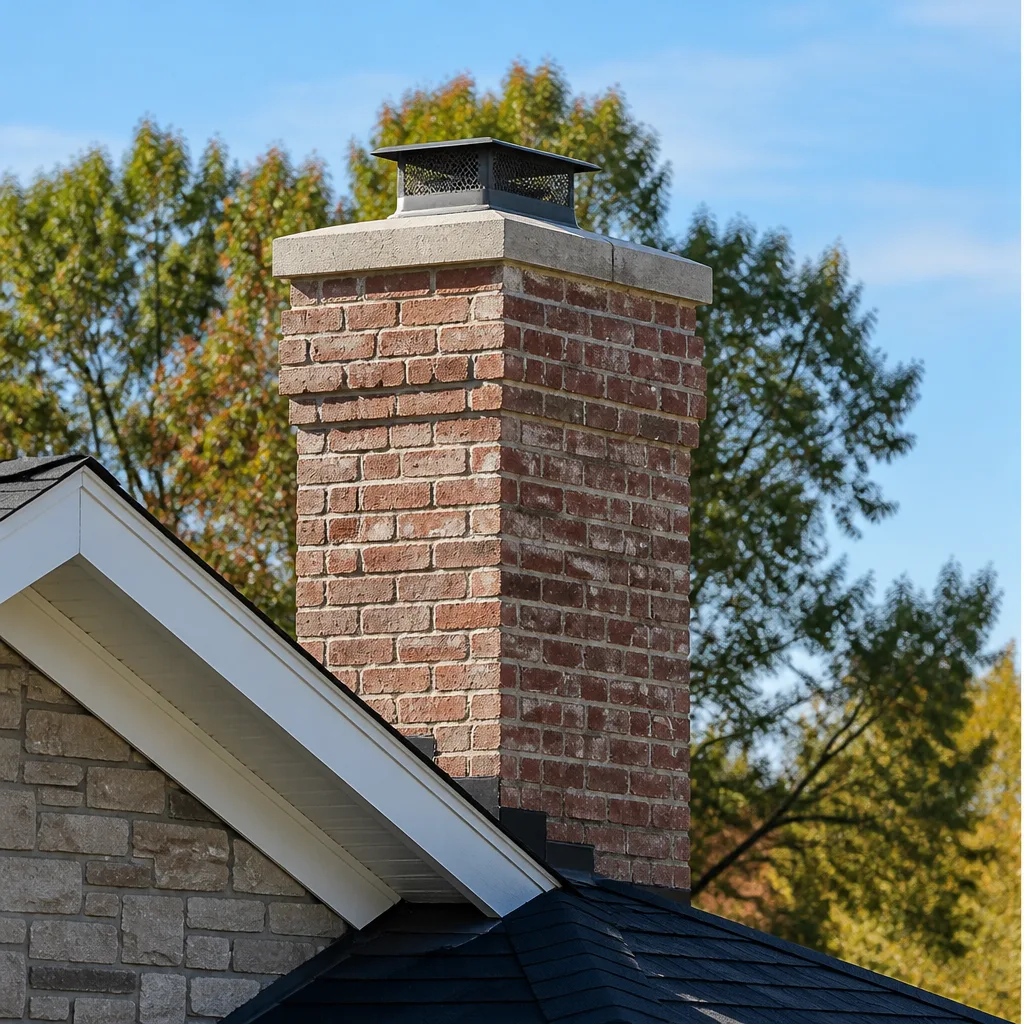 Masonry repair
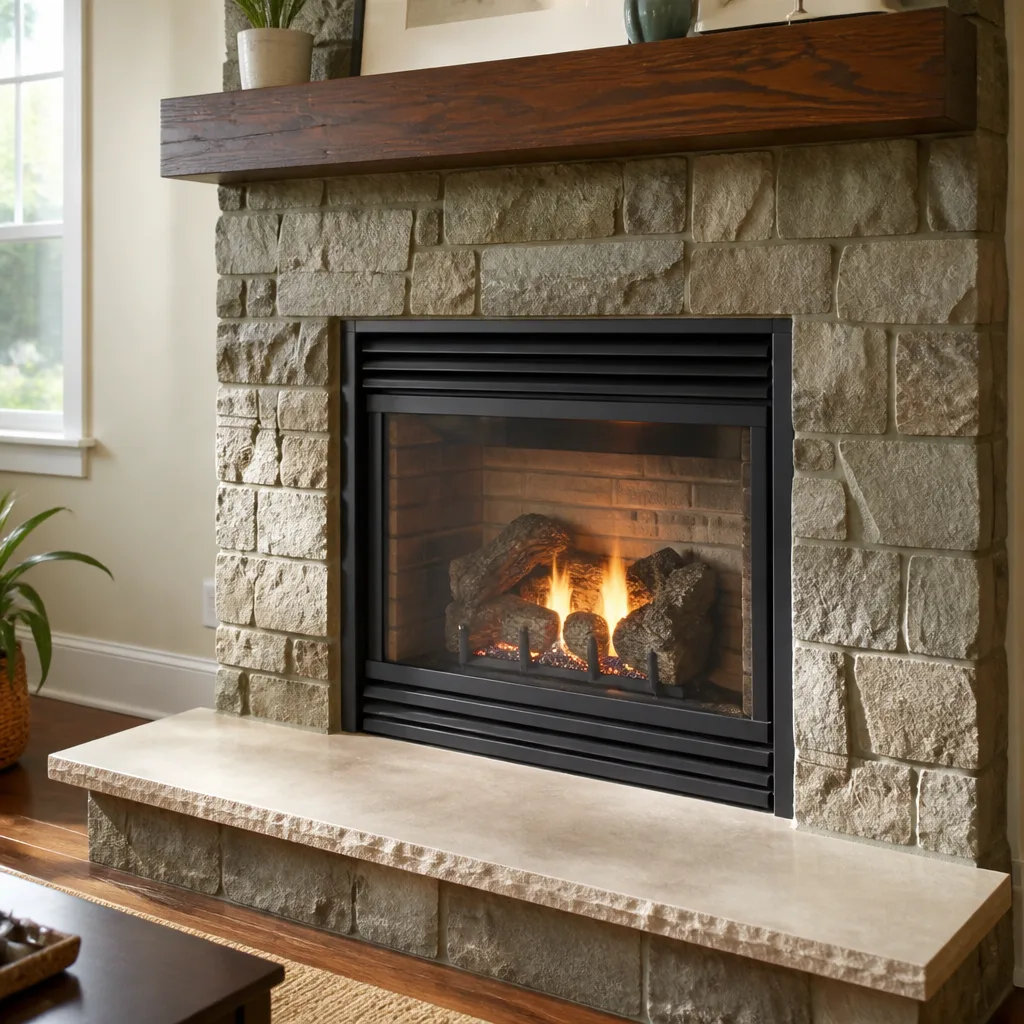 Gas fireplace service
Level 1 sweep and inspection to the NFPA 211 annual standard - flue, crown, cap, and flashing checked and photographed
Chimney sweep logs do not sweep chimneys. They loosen some creosote - which then falls where a brush and vacuum still have to collect it.
Seasonal Chimney Cleaning Care for Heather Gardens: Year-Round Homeowner’s Guide
Most Heather Gardens homeowners think about their chimney exactly once a year: the week before the first fire. That’s backwards. In Colorado, the season that does the most damage to a chimney isn’t winter at all. It’s the stretch from late February through April, when afternoon sun thaws the crown and the mortar joints and the overnight freeze takes them apart again, cycle after cycle, while the fireplace sits cold and nobody’s looking. Burn season is when you use the chimney. Freeze-thaw season is when it quietly falls apart. This guide walks through all four seasons in Heather Gardens so your chimney gets the right attention at the right time of year, not a single panicked October appointment.
Quick Answer
Chimney care in Heather Gardens runs on a four-season cycle, not a one-time pre-winter cleaning. Schedule a post-winter exterior inspection in early spring to catch freeze-thaw damage, protect caps and crowns in summer before animals nest and storms hit, book the sweep and inspection in late September before the first fire and before schedules fill, and monitor through winter for signs that something has changed. Creosote removal and inspection should happen once a year for wood-burning fireplaces used regularly, and sooner if you notice a change.
Styles & brands we work with
- Sweep & inspection
- Caps & crowns
- Flue relining
- Masonry repair
- Gas fireplace service
Table of Contents
- Why Chimney Care Is a Four-Season Job in Heather Gardens
- Spring: Catching Freeze-Thaw Damage Before It Compounds
- Summer: Caps, Crowns, and the Nesting Surprise
- Fall: The Right Timing Window for Sweep and Inspection
- Winter: In-Season Monitoring Signs
- Matching Service Timing to Heather Gardens Frost Dates and Burn Days
- Common Mistakes to Avoid
- When to Call a Professional
- Frequently Asked Questions
Why Chimney Care Is a Four-Season Job in Heather Gardens
A chimney is a system – the flue, the firebox, the damper, the crown, the cap, and the exterior masonry all work together, and each part faces a different stress in a different season. Treating it as one October sweep misses most of what the year throws at it. Our technicians have up to 12 years of experience working on chimneys in the Front Range, and the pattern is consistent: the problems we diagnose in fall usually started months earlier, out of sight.
Heather Gardens sits at high elevation with a short, intense burn season bracketed by dramatic temperature swings. Days that climb well above freezing in late winter and early spring are followed by nights that drop below it. Moisture gets into hairline cracks in mortar and crown during the thaw, then expands when it refreezes. That expansion widens the crack. Repeat that hundreds of times between February and April and you get the kind of crown spalling and joint erosion that, if left alone, leads to water intrusion into the flue and, eventually, structural repairs. None of that shows up during the burn season when the chimney is warm and dry.
On top of freeze-thaw you have the normal year-round pressures: summer thunderstorms with driven rain, nesting birds and squirrels looking for a warm sleeve to raise young, and the creosote that builds up every time you burn. A chimney that gets attention in all four seasons catches each of these in its own window. A chimney that gets one visit in the fall gets whatever is left by then. If you want the full picture of what a routine visit covers in Heather Gardens, that’s what a chimney sweep is for.
What each season is for
- Spring: Exterior inspection. Look for freeze-thaw damage: cracked mortar, spalling brick, a crown with visible cracks or separation from the flue.
- Summer: Cap and crown check. Confirm the cap is intact and the crown is sealed. Watch for animal activity.
- Fall: Full sweep and inspection before first use. Creosote removal and a look at the flue, firebox, damper, and chimney structure.
- Winter: Monitoring only. Notice changes in smoke, smell, or draw between the sweep and now.
Spring: Catching Freeze-Thaw Damage Before It Compounds
Spring is the highest-stakes season for chimney damage in Heather Gardens, and it’s the season almost nobody schedules anything. The chimney comes out of winter stressed and wet, then gets hammered by the thaw-freeze cycle for two more months. The single most useful thing you can do for your chimney in this town is have its exterior inspected in late March or April, once the last hard freezes have passed and before the first summer storms.
What a spring inspection is looking for is specific. On the crown, that means cracks wide enough to admit water, a surface that’s flaking or powdery, and any visible gap where the crown meets the flue tile. On the masonry, it means mortar joints that are recessed or crumbling, brick faces that have popped, and white staining that suggests moisture is moving through the wall. On the cap, it means a mesh screen with holes torn in it and a top plate that’s loose or rusted through. These are the earliest visible signs of what freeze-thaw does, and they’re cheap to address at this stage and expensive to address once water has been getting in for a season or two.
A simple spring checklist
- Walk outside and look at the chimney from ground level with binoculars. Note any obvious lean, missing cap, or crumbling mortar.
- Check the crown for visible cracks, and check where it meets the flue.
- Look for white staining or efflorescence on exterior brick.
- Check the cap for a torn screen, a loose plate, or missing fasteners.
- Look inside the firebox for the same staining, which suggests water is reaching the interior.
If any of those are present, that’s the moment to get a trained eye out. The longer a cracked crown or crumbling joint sits through a Colorado spring, the more water it lets in, and the more of it the next freeze can open up. Our chimney cap & crown work is largely a spring and summer business for exactly this reason.
Summer: Caps, Crowns, and the Nesting Surprise
Summer is the season Heather Gardens homeowners forget about their chimney entirely, and it’s the season the chimney is most vulnerable to the things that don’t happen during burn season. Two things matter here: the cap and crown, and animals.
The cap is the metal or mesh assembly at the top of the flue. Its job is to keep rain, snow, birds, and squirrels out while letting smoke and gases through. When the mesh rips or the top plate lifts, it stops doing any of that. A torn screen in June becomes a nest in July becomes a blocked flue in October, and a blocked flue is a real safety problem the first time somebody lights a fire. We install caps and crowns using Gelco and Olympia Chimney components, sourced from manufacturers that make chimney and venting products and nothing else. The reason the brand matters is fit and material: a cap designed for your flue diameter and climate does its job for years, while a generic one-size cap often doesn’t seal, rattles, and rusts.
The crown is the concrete or masonry slab at the top of the chimney that sheds water away from the flue. A crown with cracks is a funnel straight into your chimney’s interior. Summer is the right time to have one sealed or rebuilt, because the repair needs dry weather to cure and because you don’t want to be scheduling it in October alongside everyone else in Heather Gardens.
Summer maintenance, in order of priority
- Cap: Check that the screen and top plate are intact. Replace a torn or missing cap before fall nesting season.
- Crown: Have any crack sealed or the crown rebuilt. This is the number one water-intrusion point.
- Flashing: Check where the chimney meets the roof. Failed flashing lets water in behind the masonry, not through it, which is harder to spot.
- Animal signs: Listen for scratching or chirping from the flue on warm days. A nest is a blockage.
One summer visit that addresses cap and crown saves you a fall scramble. That’s the practical argument for treating fireplace repair and chimney repair as summer work rather than winter work.
Fall: The Right Timing Window for Sweep and Inspection
The single scheduling decision that matters most for Heather Gardens homeowners is this: book the fall sweep in late September, not late October. Late September gives you a clean flue and a documented inspection before the first sustained cold snap, and it gives you time to fix anything the inspection turns up before you actually need the fireplace. Late October is when the rest of the neighborhood calls, and the calendar fills. A problem found in late September can be scheduled and fixed at your convenience. A problem found on the day before you want a fire is a problem you’ll deal with in a hurry.
What a proper fall visit includes is not just a sweep. It’s a sweep and an inspection, treated as connected work. We inspect what we clean, because the sweep is the one time in the year we have eyes on the inside of the flue, the firebox, the damper, and the smoke chamber all at once. Creosote buildup, cracked flue tile, a damper that doesn’t close, a firebox with deteriorated mortar: all of it gets found during the same visit, so you’re not scheduling a second contractor to come back and take a look at what the sweep found. That’s the difference between a generalist with a vacuum and a specialist who services the whole chimney as a system, from the Chimney Sweep Heather Gardens side of the business through to repair.
What a fall visit covers
- Creosote removal from the flue, sized to the stage of buildup found.
- Inspection of the flue interior, firebox, damper, smoke chamber, and cap.
- Exterior check of the crown and masonry for signs found in spring that have worsened.
- A written report of findings, with anything found prioritized by what’s safe to wait on and what isn’t.
- Repairs scheduled while the calendar still has room.
If you burn a lot of wood, get on a once-a-year fall schedule and stay on it. Regular wood burners may need more than one sweep depending on how much creosote accumulates, and the way to know is to have the flue looked at, not guessed at.
Winter: In-Season Monitoring Signs
Once the sweep is done and the fireplace is in use, the job between then and spring is monitoring. You’re not expected to inspect anything yourself. You’re expected to notice when something changes. A chimney that behaved one way in October and behaves another way in January is telling you something.
The signs worth paying attention to during burn season in Heather Gardens are consistent. A fire that’s harder to start or that smokes into the room when it used to draw cleanly suggests a partial blockage, a damper problem, or a flue that’s gotten cold or wet. A strong, acrid, or creosote smell in the house on cold days with no fire burning suggests the flue is drafting backward, often because something in the chimney has changed. Any visible smoke in the room, any staining on the firebox or the surrounding wall, and any cracking sound from the firebox or the chimney exterior are all reasons to stop using the fireplace and get it looked at. If you smell gas from a gas fireplace, that’s a different situation and not a chimney sweep call – get out of the house and call your gas utility.
Winter monitoring signals
- Smoke backing into the room instead of up the flue.
- A fire that won’t draw the way it did at the start of the season.
- A persistent creosote or sooty smell in the house when no fire is burning.
- New staining on the firebox, the surround, or the wall near the chimney.
- Popping, cracking, or unusual sounds from the chimney structure while the fire is burning.
None of these are a reason to panic. All of them are a reason to stop burning and have the chimney inspected. We answer 24/7, and a call outside dispatch hours is booked into the next opening, Sunday through Friday, 7am to 7pm.
Matching Service Timing to Heather Gardens Frost Dates and Burn Days
Generic seasonal advice says “sweep in the fall.” That’s fine as far as it goes, but Heather Gardens’ specific weather pattern gives you a better calendar to work from. The relevant facts are these: the last hard freeze in this area typically comes in late April or early May, and the first hard freeze in the fall typically lands in early to mid-October. Between those two dates, the freeze-thaw cycle does its damage. Between the first hard freeze and the last thaw, you’re burning. That gives you four clear windows.
The Heather Gardens four-window calendar
- Late March to late April (post-winter, pre-thaw): Exterior inspection. This is when freeze-thaw damage is most visible and most fixable. Get it while it’s small.
- May through August (off-season): Cap and crown work, flashing, and any repairs found in spring. Dry weather is when masonry repairs cure properly and when scheduling is easiest.
- Late September to the first hard freeze: Sweep and inspection, before first use. This is the tight one – don’t wait until October.
- First hard freeze through spring (burn season): Monitor for changes and call if anything looks different.
Heather Gardens also has its own rhythm: a community of neighbors on similar schedules, in similar housing, with similar fireplaces, all deciding roughly the same thing at roughly the same time. When everyone in Heather Gardens calls in October, everyone in Heather Gardens gets a crowded calendar. Being early in every season is the single easiest advantage a homeowner can give themselves. It’s also the reason to treat the chimney as a year-round system rather than a fall errand – one specialist for the sweep, the inspection, and the fix.
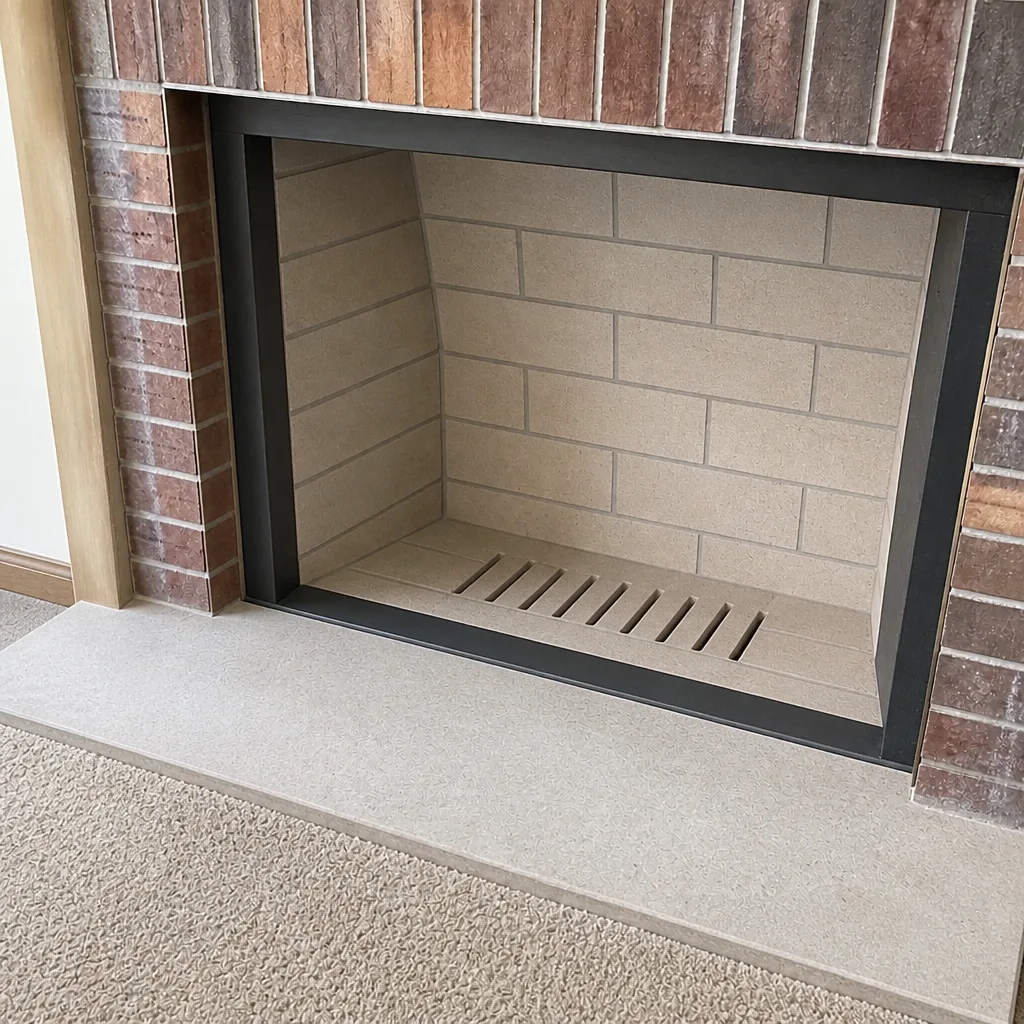
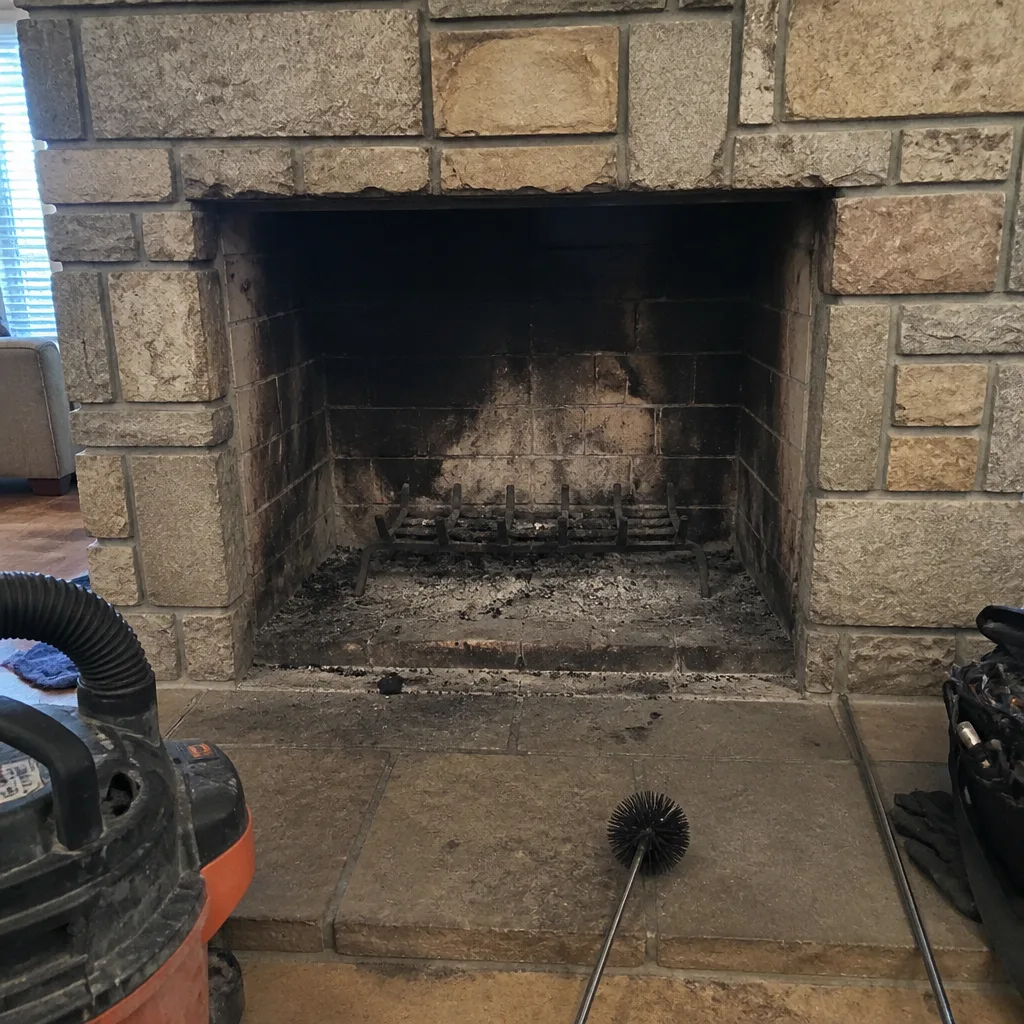
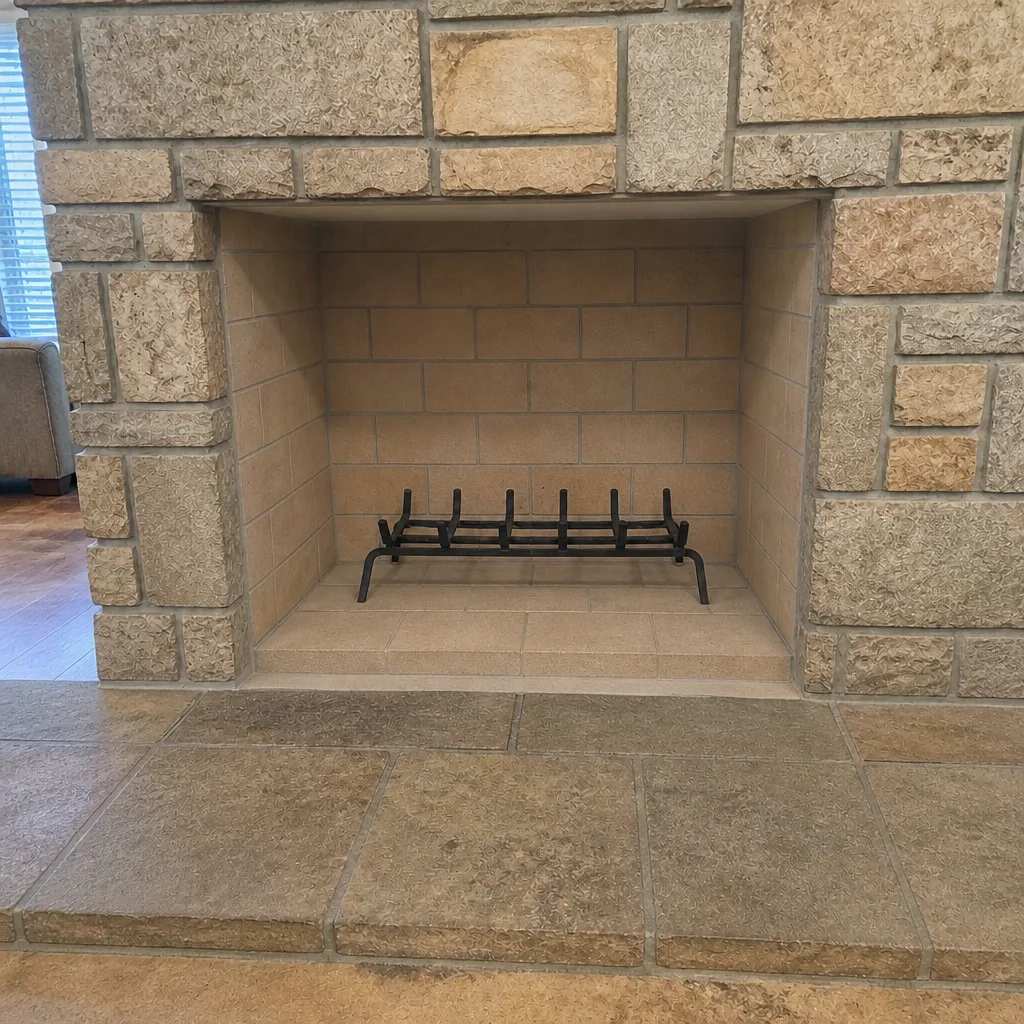
See the difference
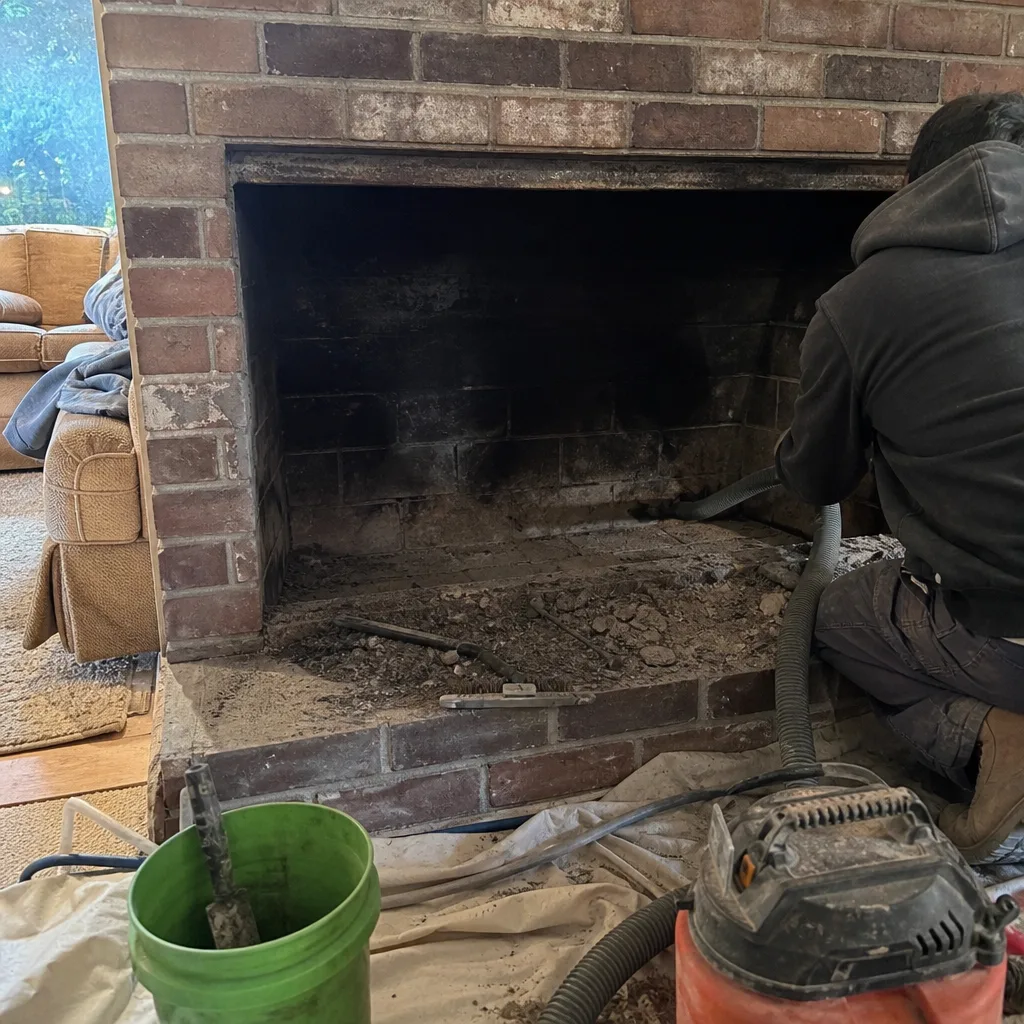 Before
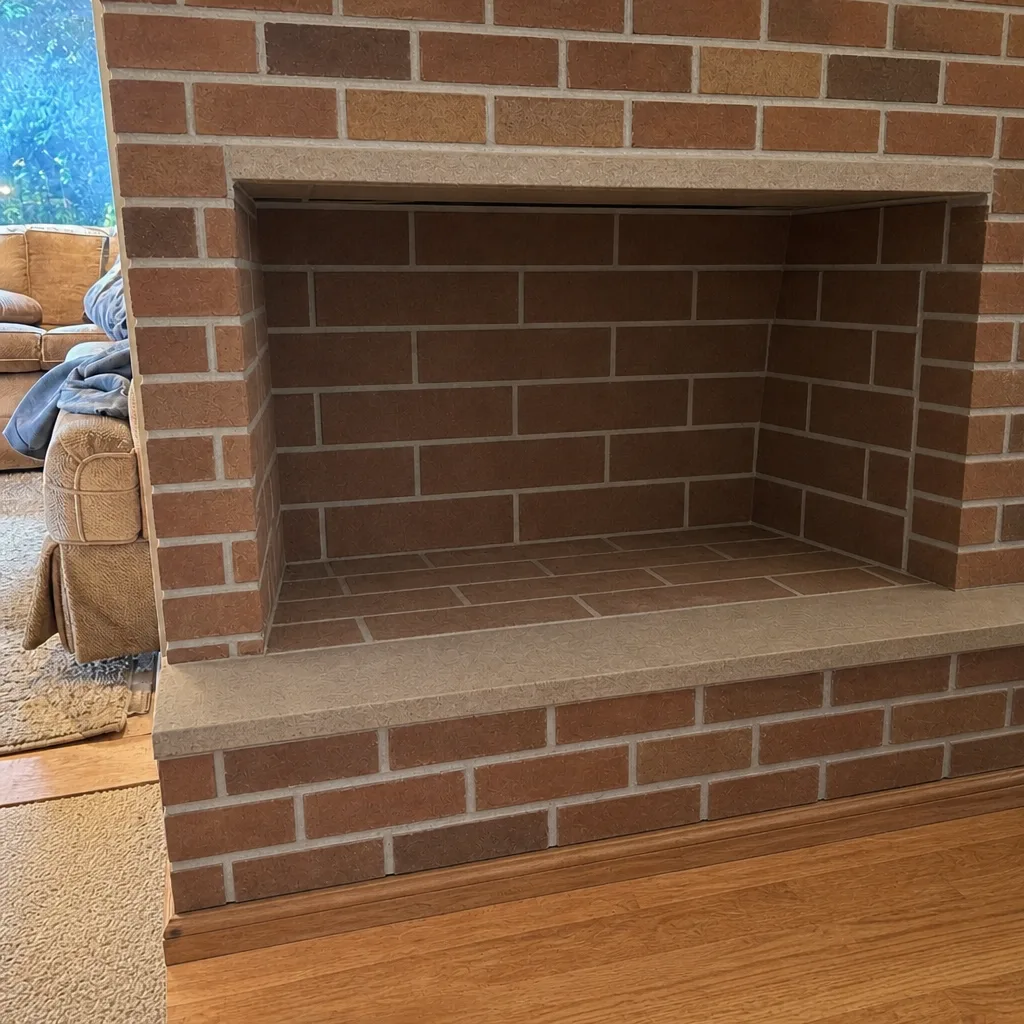 After
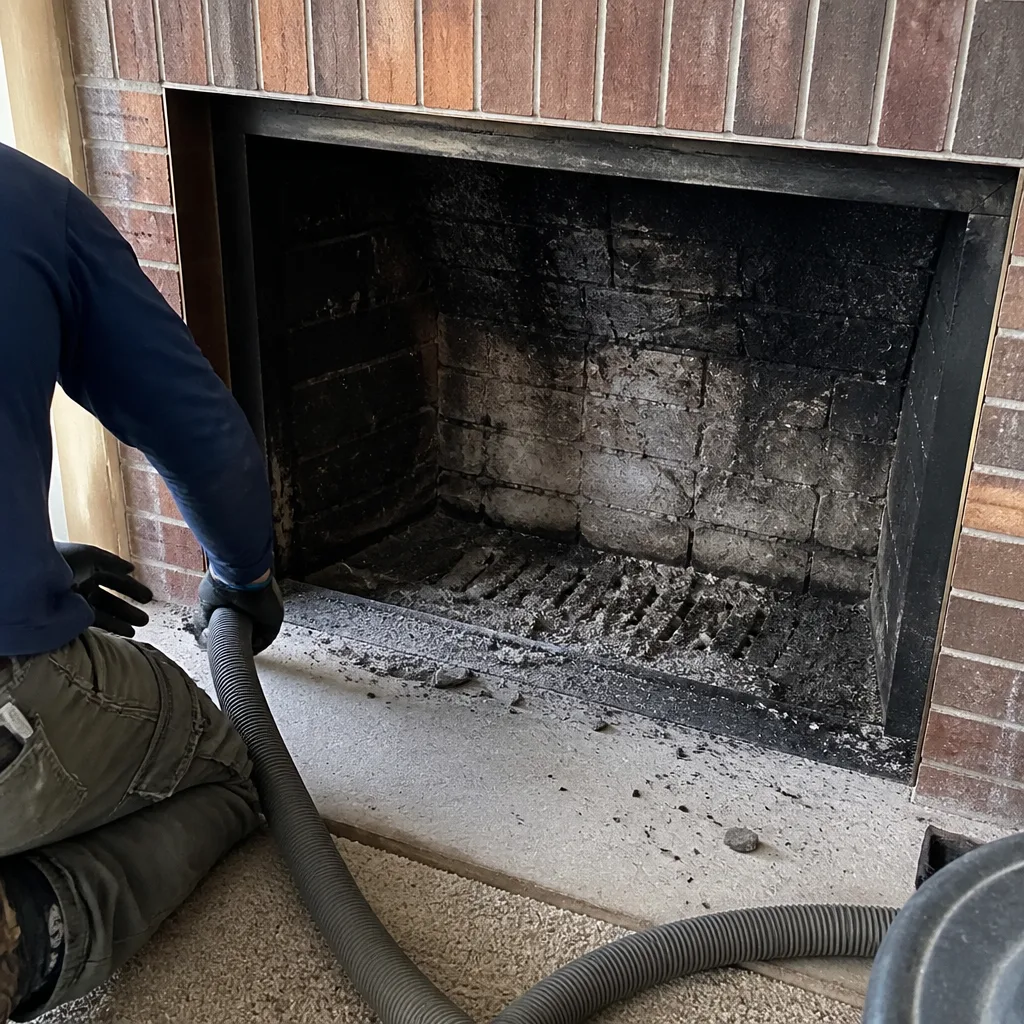 Before
 After
 Before
 After
Common Mistakes to Avoid
- Treating the fall sweep as the whole year’s chimney care. The fall sweep is important, but it’s one of four windows. Freeze-thaw damage happens in spring, and animals and rain happen in summer. If you only look at the chimney in October, you’re seeing the residue of three seasons you didn’t check.
- Waiting until the first cold snap to schedule. The last week of October is the busiest week of the year for every chimney specialist in the Front Range. Late September gives you room and gives you time to fix what’s found.
- Ignoring the cap because the chimney “still works.” A torn cap screen in summer is a bird nest in the flue by fall. The chimney works fine right up until it doesn’t, and by then the problem is a blockage, not a cap.
- Painting over cracked mortar or spalling brick. Paint hides the problem and traps moisture. The freeze-thaw cycle is still working underneath. This is the wrong fix at the wrong time of year, and it makes the eventual proper repair bigger.
- Burning unseasoned wood to stretch the burn season. Wet wood creates more creosote, and more creosote means a sweep is needed sooner than your schedule says. If you’re burning a lot, get the flue inspected on a schedule, not a guess.
- Skipping the spring interior check because the fall inspection was clean. The fall inspection happens before winter. The spring check happens after it. They see different things, and the spring check is the one that catches freeze-thaw damage while it’s still cheap to fix.
- Hiring a generalist with a vacuum for a job that needs a specialist. Chimney work involves a flue, a damper, a crown, a cap, and a firebox, and the right materials for each. Repairing a liner with a generic product, or a cap with a generic one, is how a small problem becomes a bigger one next season.
When to Call a Professional
Call a professional when you’re not sure what you’re looking at, which is most of the time. Call sooner if you see cracked mortar, a damaged crown, or a cap with a torn screen in spring; if you hear animals in the flue in summer; if it’s late September and you haven’t had the sweep and inspection done yet; or if anything changed during burn season. Stop using the fireplace and call if smoke is backing into the room, if you smell creosote strongly with no fire burning, or if the chimney makes noises it shouldn’t. Chimney Sweep Heather Gardens offers free estimates in Heather Gardens and works the full system: sweep, inspection, fireplace repair, chimney repair, and cap and crown. Call (877) 792-5799. We answer 24/7. Fast dispatch from 7am to 7pm, Sunday through Friday.
Frequently Asked Questions
Once a year for a wood-burning fireplace in regular use, and more often if you burn heavily or notice changes. The practical rule is to have the flue inspected annually and swept when the inspection shows buildup that needs removing. For gas fireplaces, an annual inspection still matters even though there’s less creosote. Call (877) 792-5799 for an exact quote – estimates are free.
Because that’s when freeze-thaw damage happens. From late February through April, moisture in hairline cracks in the crown and mortar expands and contracts with the daily freeze-thaw cycle, widening the damage. A spring exterior inspection catches it while it’s still a small, cheap fix rather than a structural repair. Call (877) 792-5799 to book one.
Yes. A torn cap screen lets birds and squirrels into the flue to nest, and a nest becomes a blockage by fall. It also lets driven rain reach the flue interior. A cap is one of the cheapest components to replace and one of the most consequential to ignore. We install Gelco and Olympia Chimney caps. Call (877) 792-5799 for a free estimate.
It looks like cracked mortar joints, spalling or flaking brick, a crown with visible cracks or a crown that’s separated from the flue tile, and white staining on exterior masonry. On the interior it can look like efflorescence on the firebox. Any of these is a sign that water is getting in and the next freeze will open the damage wider.
Yes, because the fall inspection happens before winter and the spring check happens after it. The fall visit can’t see damage that hasn’t happened yet. A spring check catches freeze-thaw damage, and it also catches anything that got in over the winter. It’s a short visit, and it’s the one that keeps a small problem from becoming an expensive one. Call (877) 792-5799 – estimates are free.
A liner repair is only recommended when there’s documented evidence of a problem: a cracked or deteriorated flue, visible damage, or an inspection finding that you can see for yourself. We use HeatShield, the industry’s liner resurfacing system, when a liner resurfacing is the right repair, and we tell you plainly when something can safely wait. Nothing is recommended without evidence you can review. Call (877) 792-5799 for an exact quote – estimates are free.
The Bottom Line
Chimney care in Heather Gardens works best as four small services across the year, not one big appointment in October. Spring catches freeze-thaw damage while it’s cheap to fix. Summer handles caps, crowns, and nesting animals before they become fall problems. Late September is the right window for the sweep and inspection, ahead of the crowd. Winter is for monitoring, and for calling when something changes. The whole thing works because it’s done in the right season, with the right materials, by a specialist who treats the chimney as one connected system. If you want to get on a schedule that matches the actual Colorado year instead of the crowd’s, it starts with a phone call.
Call Chimney Sweep Heather Gardens at (877) 792-5799 for a free estimate. We answer 24/7. Fast dispatch from 7am to 7pm, Sunday through Friday.
Written by the team at Chimney Sweep Heather Gardens.