
Last updated November 23, 2026
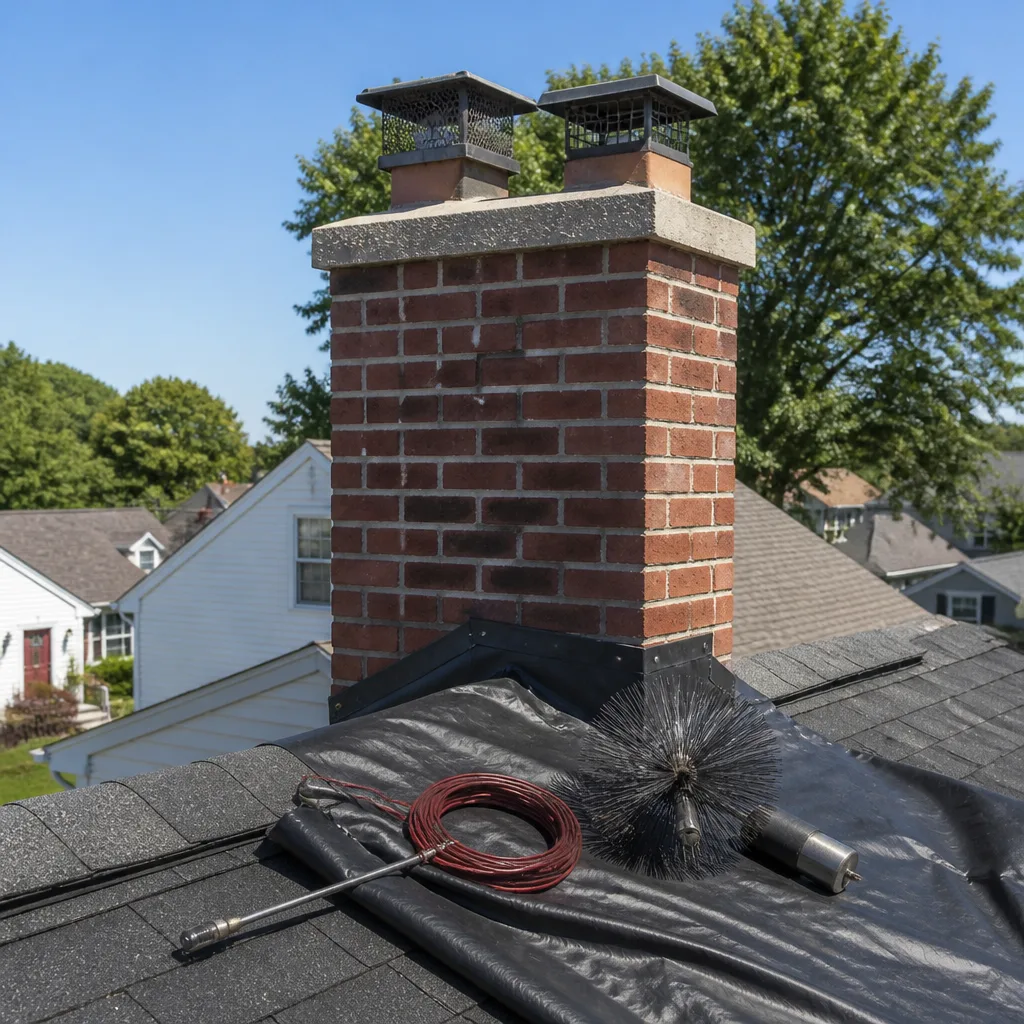 Sweep & inspection
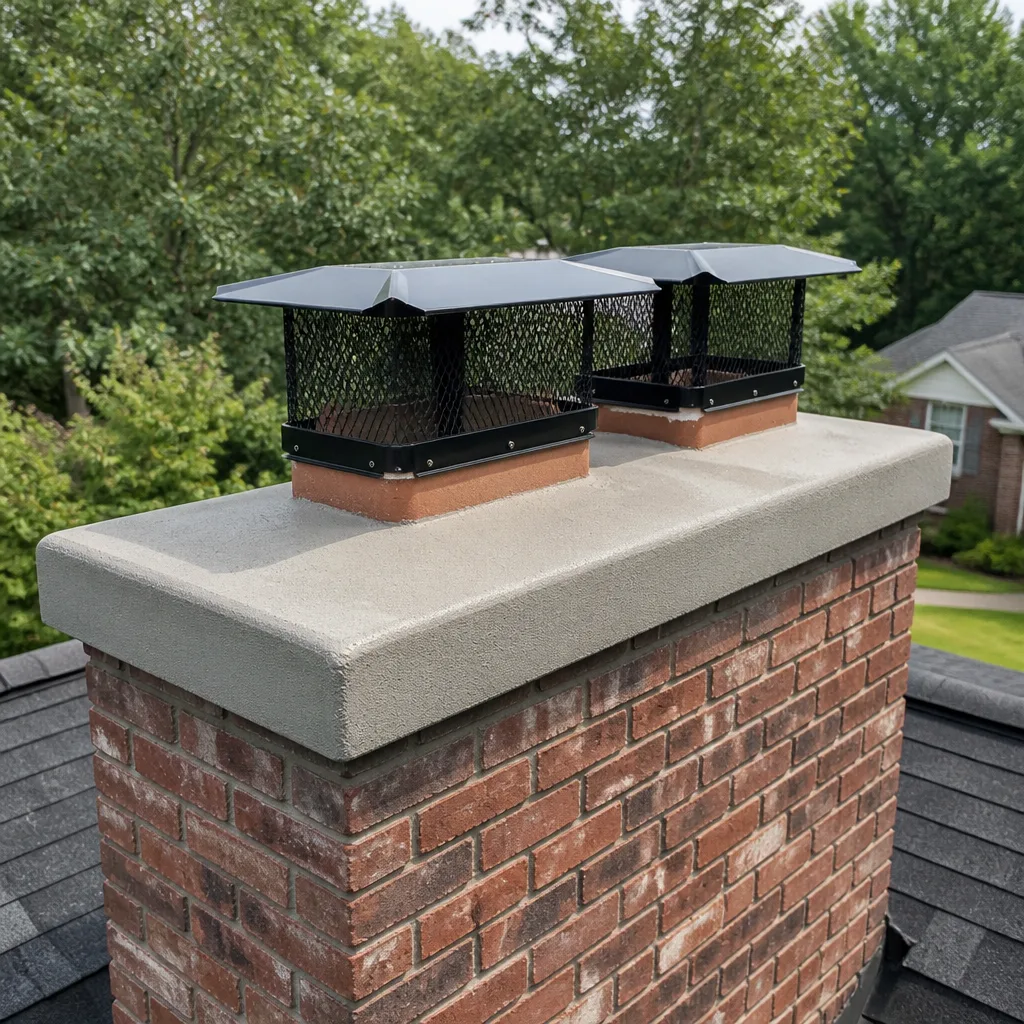 Caps & crowns
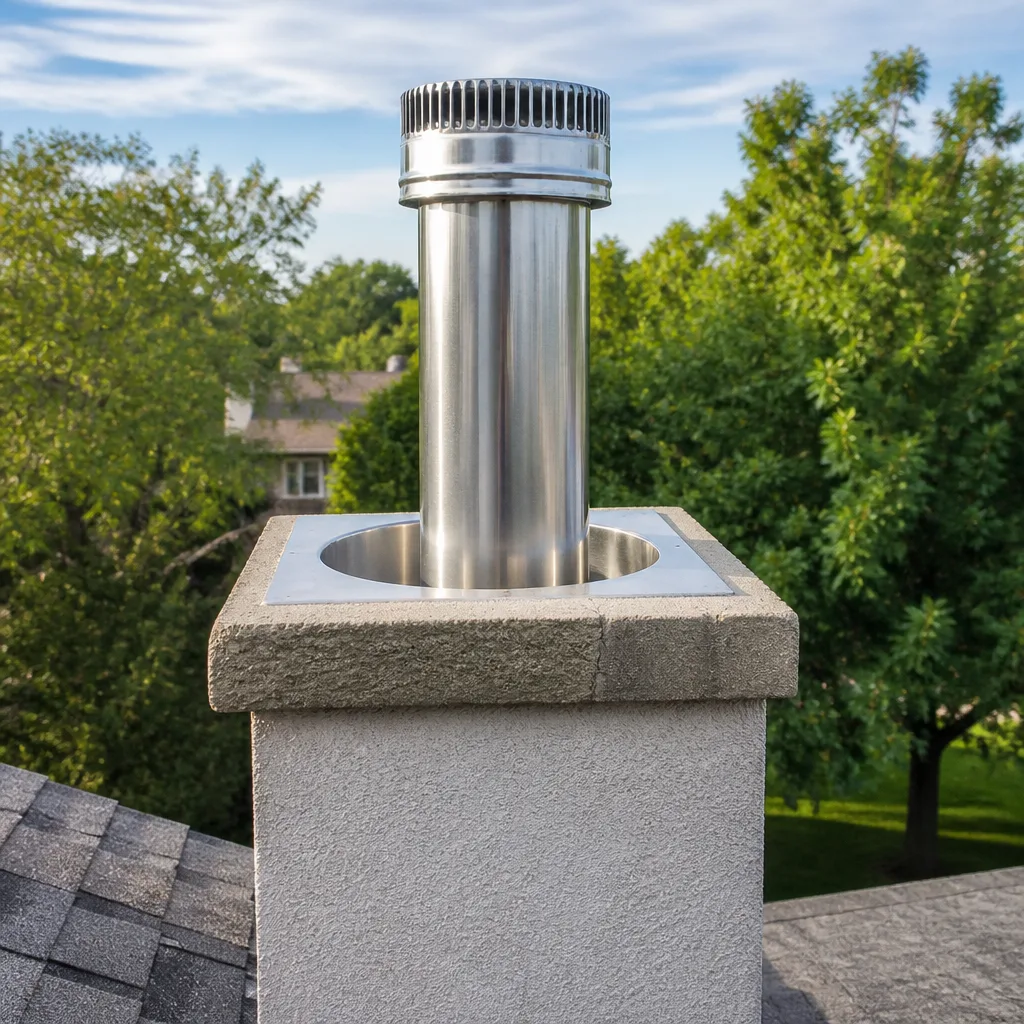 Flue relining
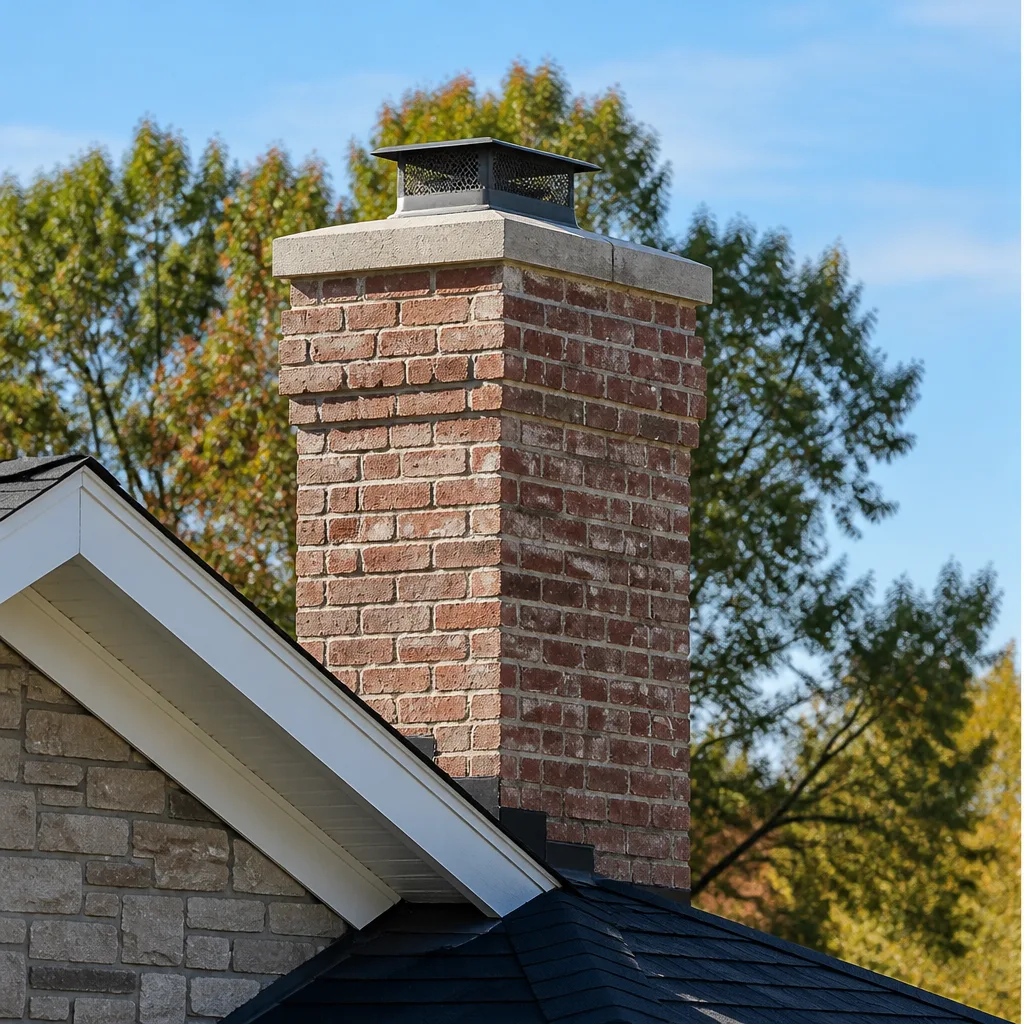 Masonry repair
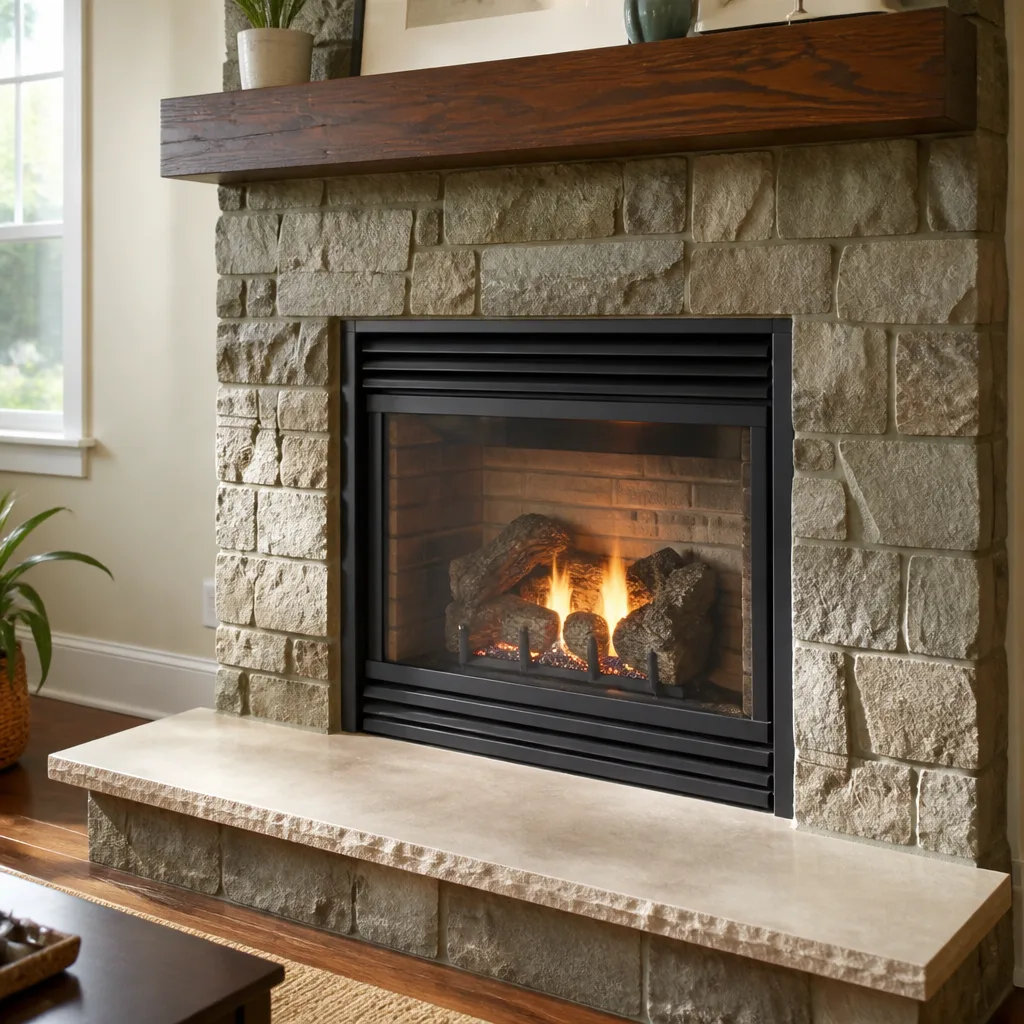 Gas fireplace service
Level 1 sweep and inspection to the NFPA 211 annual standard - flue, crown, cap, and flashing checked and photographed
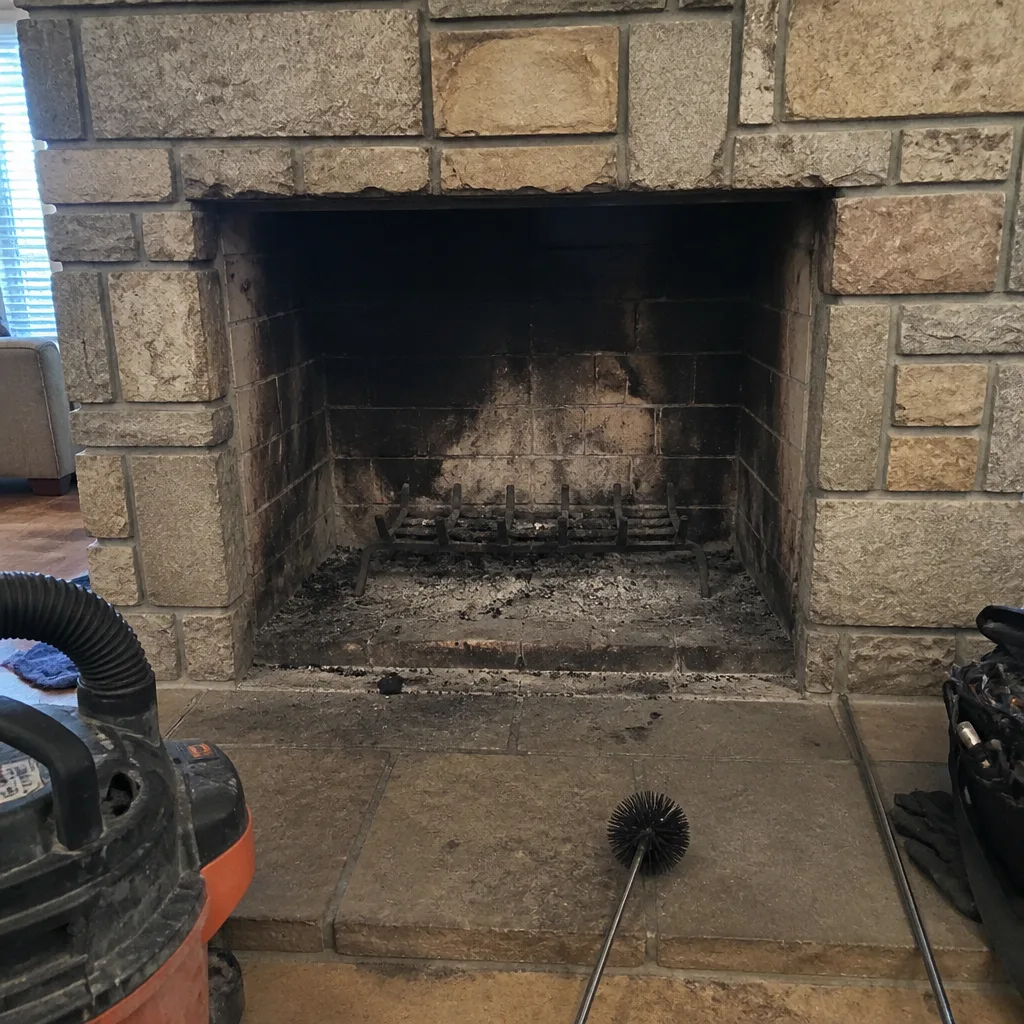
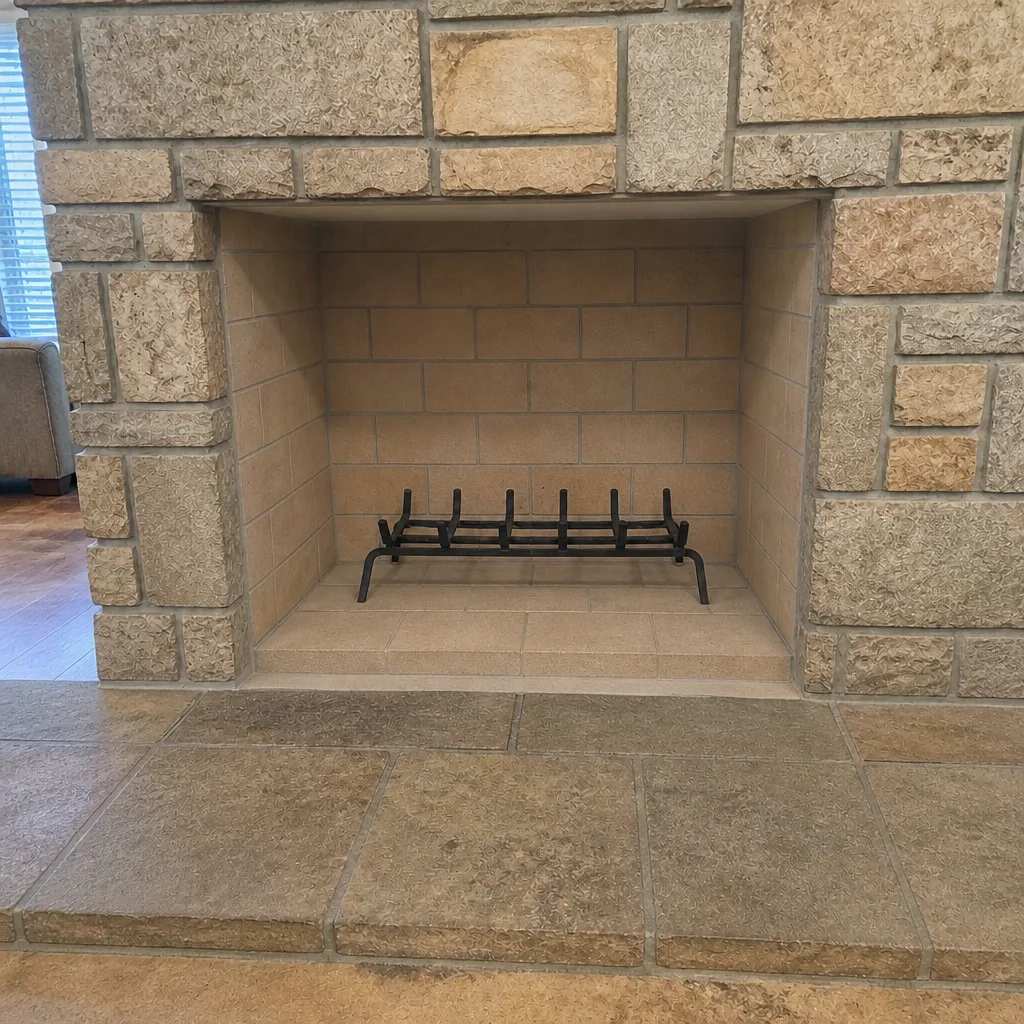
Chimney sweep logs do not sweep chimneys. They loosen some creosote - which then falls where a brush and vacuum still have to collect it.
Chimney Cleaning Warning Signs: A Heather Gardens Homeowner’s Reference Guide
A white stain on your chimney’s exterior isn’t a cosmetic issue. It’s efflorescence, and it means water is moving through your masonry right now; what it deposits on the outside is a small fraction of what it’s doing to the structure inside. Most chimney problems don’t announce themselves with smoke pouring into the living room. They start quiet: a damper that sticks a little more each season, a faint smell on a cold morning, a hairline crack you’ve walked past a hundred times. In this guide we walk through the quiet warning signs a Heather Gardens homeowner is most likely to overlook, explain what each one actually means mechanically, and show you which ones can wait and which ones shouldn’t.
Quick Answer
The warning signs that matter most in a chimney are water staining or white powdery deposits on the exterior masonry, crumbling mortar or flaking brick faces, smoke smell when the fireplace is cold, a damper that has become harder to move, and dark glazed or tar-like creosote visible from the firebox opening. Any one of these means the chimney needs a professional inspection before the next fire, not after.
Styles & brands we work with
- Sweep & inspection
- Caps & crowns
- Flue relining
- Masonry repair
- Gas fireplace service
Table of Contents
- Why the Quiet Signals Matter More Than the Obvious Ones
- Reading Water: Efflorescence, Spalling, and Crown Cracks
- Smoke Smell During a Fire vs. Smoke Smell When the Fireplace Is Cold
- Why a Sticking Damper Is a Structural Signal
- Telling Stage 1, Stage 2, and Stage 3 Creosote Apart from the Firebox
- Warning Signs Specific to Gas Fireplace Inserts
- A Five-Step Seasonal Checklist for Heather Gardens Homes
- When to Call a Professional
Why the Quiet Signals Matter More Than the Obvious Ones
The dramatic chimney problems get all the attention: the fire that lights up the flue, the block that comes loose in a windstorm, the smoke that rolls out over the mantel. In our experience those are the minority. The majority of chimney problems start as small, quiet conditions that sit unexplored for months because they look like nothing. A homeowner in Heather Gardens sees a gray film on the brick and assumes it’s dirt. Someone else notices the damper needs two hands instead of one and chalks it up to old hardware.
Here’s what makes the quiet signals worth learning: a chimney is a system, and the parts of that system all talk to each other. Water entering the crown or the mortar joints doesn’t just sit in the masonry. It works its way toward the flue, softens the liner, and feeds the conditions that let creosote build up faster. A damper that won’t move freely isn’t a hardware problem; it’s often a masonry problem the damper is the messenger for.
The one detail that unites almost every warning sign is that each one gets worse at its own pace. Some move slowly enough that you have entire seasons to react. Others, especially water intrusion during a thaw cycle, can move fast. Knowing which is which is the difference between a modest repair and a rebuilding project.
Heather Gardens sits along the Front Range, and the climate does the chimney no favors. Our winters swing between freezing nights and warm afternoons, and that freeze-thaw cycling is the single hardest thing masonry ever deals with. A hairline crack that would stay quiet in a milder climate opens up here. That’s one reason the following signs are worth reading carefully even if you’ve been told your chimney “looks fine” in the past.
Reading Water: Efflorescence, Spalling, and Crown Cracks
Of the many warning signs a chimney can show, three are all talking about water, and each one locates the water source differently. Learning to tell them apart is one of the most useful things a homeowner can do, because it tells you what kind of repair to expect before a technician ever arrives.
Efflorescence: salt deposits on the exterior
Efflorescence is the white, chalky, or powdery deposit you see on brick or mortar. It looks like a stain, but it’s actually salt that was dissolved in water, carried through the masonry, and left behind when the water evaporated at the surface. If you can brush it off with a dry brush, it’s efflorescence. If it comes back after brushing, water is still moving through the wall.
What makes efflorescence worth taking seriously is that it’s the visible fraction of a hidden process. As water travels through masonry, it dissolves salts from the mortar and the brick. Those salts can crystallize inside the wall, which puts pressure on the material from the inside out. That pressure is what eventually causes the surface to break down, and it happens before you can see anything wrong.
Spalling: brick faces flaking or popping off
Spalling is the point where the pressure has won. A brick face flakes off, pops off in a thin sheet, or crumbles at a corner. This is a clear signal that the brick has been saturated, frozen, and thawed enough times that it can no longer hold itself together. Once spalling starts, patching the surface won’t stop it; the water source has to be found and shut off first.
Hairline crown cracks
The crown is the concrete or masonry cap on top of the chimney that sheds water away from the structure. A hairline crack in the crown doesn’t look like much, but it’s the most common entry point for water in our climate. Water gets in, freezes overnight, expands, and widens the crack, and the cycle repeats each winter. A crown crack that gets ignored for a few seasons can turn into water in the flue and water in the firebox. We install replacement crowns using components sourced from brands like Olympia Chimney and Copperfield, built specifically for the chimney and venting trade rather than a generic concrete patch.
For a closer look at how crown repairs are handled, see our page on chimney cap & crown.
Smoke Smell During a Fire vs. Smoke Smell When the Fireplace Is Cold
Smoke smell means two entirely different things depending on when you notice it, and this is where a lot of homeowners get confused. The distinction tells you whether you’re dealing with an airflow issue you can live with or a sealing problem that needs attention.
Smoke smell during a fire
A faint smoky smell while a fire is burning is normal in almost any wood-burning fireplace. Some smoke escapes the firebox opening every time you add wood or rearrange the logs, and if the room isn’t drawing well, that smell lingers for a while. A drafty house, an open floor plan, and a kitchen exhaust fan running at the same time can all pull air in the wrong direction. It’s worth mentioning to a technician during a sweep, but it’s not usually a symptom of structural failure.
Smoke smell with a cold fireplace
When the fireplace is cold and there hasn’t been a fire for days, a smoke smell means something else. It usually comes from one of three places:
- A failed damper seal. The damper at the top of the firebox is supposed to shut tight when there’s no fire. If it doesn’t seal, cold air from the flue drops into the room and picks up the smell of old creosote and soot on the way down.
- A blocked or partially blocked flue. Soot or creosote sitting in the flue keeps releasing odor, and the cool air moving through the house can carry it down the chimney and into the living space.
- A pressure imbalance. Modern homes in Heather Gardens are built tight. When warm air vents out the top and cold air comes in the bottom, the chimney can act like a path for that incoming air, which brings the smell of the flue with it.
If you notice smoke smell when the fireplace is cold, get an inspection. It isn’t urgent, but it means the seal or the flue is telling you something.
Why a Sticking Damper Is a Structural Signal
A damper that used to open easily and now takes two hands, a wiggle, or a firm shove is worth paying attention to. Homeowners often assume this is a worn hinge or old hardware. In our experience, a sticking damper is more often a structural signal, and it’s worth understanding what kind of signal it is.
Dampers sit above the firebox in a frame surrounded by masonry or steel. When the masonry around that frame moves, shifts, or cracks, the damper frame can move with it. Over time, a slightly out-of-alignment frame turns into a damper that sticks. What moves the masonry? Water intrusion, freeze-thaw cycling, and settling are the three most common causes. The damper is one of the first components to feel the effect because it’s a close-tolerance fit.
Here’s the mechanical picture in plain terms: a fireplace opens a hole in a masonry structure. That structure moves. When it moves, the parts inside it move too, and the damper is one of the parts with the tightest clearance. A damper that appears to be sticking is often the chimney showing you movement in a component you can’t otherwise see.
The good news is that this signal usually appears long before any visible crack or stain. That gives you the chance to investigate while the underlying movement is small.
A related sign worth watching: a firebox door that no longer closes flush, or a fireplace screen that sits unevenly against the opening. Both point to the same kinds of movement. If you see multiple signs like this together, they’re worth checking as one condition rather than separate annoyances.
We treat the chimney as a system: the sweep, the inspection, and any repair are connected services. That’s why a damper concern raised during a routine chimney sweep gets looked at properly rather than noted and forgotten.
Telling Stage 1, Stage 2, and Stage 3 Creosote Apart from the Firebox
Creosote buildup is the most consequential warning sign in any wood-burning chimney. It comes in three stages, and knowing which stage you’re looking at tells you how urgent the next sweep is. You can often get a reasonable first assessment from the firebox opening without stepping onto a roof. Here’s what to look for.
- Stage 1 creosote. Look up into the flue at the top of the firebox. Stage 1 creosote looks like a soft soot: gray, black, or brownish, slightly flaky, and easy to brush away with a rag. It’s what you should see when a fireplace has been burning dry wood well and is swept regularly. Stage 1 creosote is normal, expected, and routine to clean.
- Stage 2 creosote. Stage 2 is when the soot has become harder and shinier. It looks like a dark, crunchy, hard layer on the flue walls, and if you scrape it with a stiff tool it may come off in flakes rather than a dusting. It builds up when the fire is running cooler or the wood is less than fully dry, and it’s a sign the chimney is overdue for a sweep. This is the stage most properly used wood-burning fireplaces reach if not cleaned on schedule.
- Stage 3 creosote. Stage 3 is the most serious. It looks like a thick, tar-like, glazed coating that shines in the firebox light and looks almost wet. It doesn’t brush off; it usually needs specialized removal products and technique. Stage 3 creosote is dense and doesn’t ignite easily, but when it does, it burns hot. If you can see this coating from the opening, the chimney needs professional attention before the next fire.
One nuance worth mentioning: you can’t reliably judge the stage of the creosote deeper up the flue from the firebox opening alone. What you see near the bottom is a good indicator, but a proper inspection will see the whole flue and let you know how it compares. That’s one reason a documented inspection visit is worth doing as its own appointment rather than relying on a quick visual check.
Warning Signs Specific to Gas Fireplace Inserts
A gas fireplace doesn’t have creosote, but it has its own set of warning signs, and they’re different enough from wood-burning signals that they’re worth their own section. Homeowners who’ve only ever had wood-burning chimneys often miss these because they’re looking for the wrong thing.
What gas fireplaces put in the flue
Natural gas and propane burn clean enough that there’s almost no creosote, but they produce water vapor as a primary byproduct. In a properly functioning flue that’s fine; in a failing one, that moisture condenses on the flue walls, and over time it corrodes the liner. So the warning signs for a gas fireplace are less about accumulation and more about corrosion and venting failure.
Gas fireplace warning signs
- Condensation or a wet smell at the firebox. A little condensed water is normal for some gas inserts after a long run. A persistent smell of moisture or a wet interior after the fireplace has been off for hours is not.
- Discolored or whitened vent pipe. If the vent pipe (the metal flue above the firebox) shows white or greenish corrosion, that’s a sign of moisture damage.
- Staining on the exterior chimney wall. The same efflorescence and spalling signals for wood chimneys apply to gas. A gas flue leak produces the same exterior deposits.
- Yellow or orange flames instead of blue. This can indicate a burner or air-mix issue, not a chimney problem, and it’s worth having checked before further use.
- Smell of gas or sulfur when the fireplace is off. That’s a safety concern, and the fireplace should stay off until a professional checks it.
For gas fireplaces, our advice is to look at the vent and the firebox together. A clean firebox with a corroded vent pipe is not a “fine” fireplace. It’s the vent side that’s telling you there’s a problem, and that’s exactly what a documented inspection is designed to catch. If you want to see how we handle these, our fireplace repair page covers the diagnostic side in more detail.
A Five-Step Seasonal Checklist for Heather Gardens Homes
Working through this list once in the fall and once in the spring catches most of the warning signs before they grow. It’s a five-minute walk around the chimney and fireplace that most homeowners never make.
- Walk the exterior of the chimney. Look for white powdery deposits on the brick, flaking or crumbling faces, missing mortar, loose flashing, and any crack in the crown, however small. Take a photo of anything you find so you can compare later.
- Look up the flue from the firebox. With a flashlight, look at the inner walls above the damper. Note whether the surface looks dusty, crunchy, or glazed. A smartphone camera held at an angle can see higher up the flue than the naked eye.
- Test the damper by feel. Open and close it two or three times and notice whether it moves freely or sticks. If you have to force it, that’s a data point worth recording.
- Smell the cold firebox. A day after your last fire, sniff the opening. A faint smoky smell is expected; a strong musty or creosote smell from a cold fireplace is not.
- Check the cap and crown from below. Look at the cap on top of the chimney with binoculars. Is the mesh intact? Are the cap sides straight, or dented? Is the crown sagging or cracked?
For any signs you note, get them on the record. We include a camera inspection and a photo report with every sweep, and if you’re not ready for work yet, an inspection as a standalone appointment gives you the documentation you need without committing to anything further. It’s the difference between “looks fine” and “we know exactly what’s happening up there.”
Common Mistakes to Avoid
- Treating efflorescence as a cosmetic stain. A white powdery deposit means water is moving through the masonry right now, and painting over it only traps the water inside, where it does more damage. Find the water source first, then decide on repair.
- Assuming a cracking damper is just hardware. A damper that suddenly sticks is often the chimney telling you the masonry around it has moved. Ignoring it means the underlying issue (often water or settling) gets worse on its own schedule.
- Burning damp or green firewood to save a few dollars. Damp wood keeps the fire cool and produces more creosote, which is exactly what feeds Stage 2 and Stage 3 buildup. Seasoned firewood burned hot is the single most effective protection against fast creosote accumulation.
- Skipping a sweep because “we only burned a few times last winter.” Creosote accumulates regardless of how often the fire burned; even a handful of cool, smoky fires can leave a glaze. The right question is what’s on the flue walls, not how many fires were had.
- Letting a hairline crown crack run for a full Colorado winter before fixing it. A hairline crack in October can be a real opening by March. In the Heather Gardens climate, the freeze-thaw cycle widens cracks faster than homeowners expect.
- Assuming a gas fireplace doesn’t need an inspection. Gas fireplaces don’t produce creosote, but they do produce moisture, and moisture is what corrodes venting. The warning signs are simply different, not absent.
- Hiring a low-bid sweep who runs a vacuum and leaves. A sweep should be doing an inspection at the same time, with a camera and a report. If the technician never looks at the flue, you learn nothing about the signs above.
See the difference
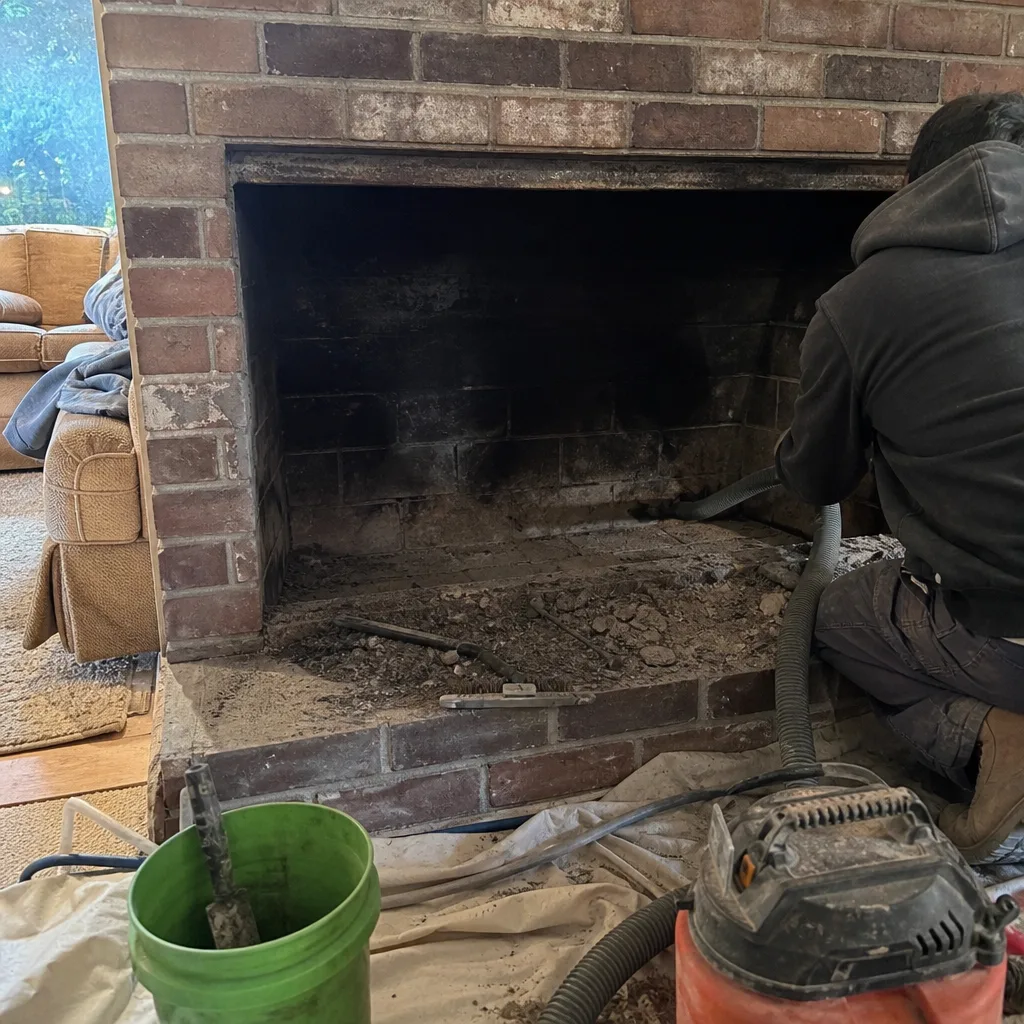 Before
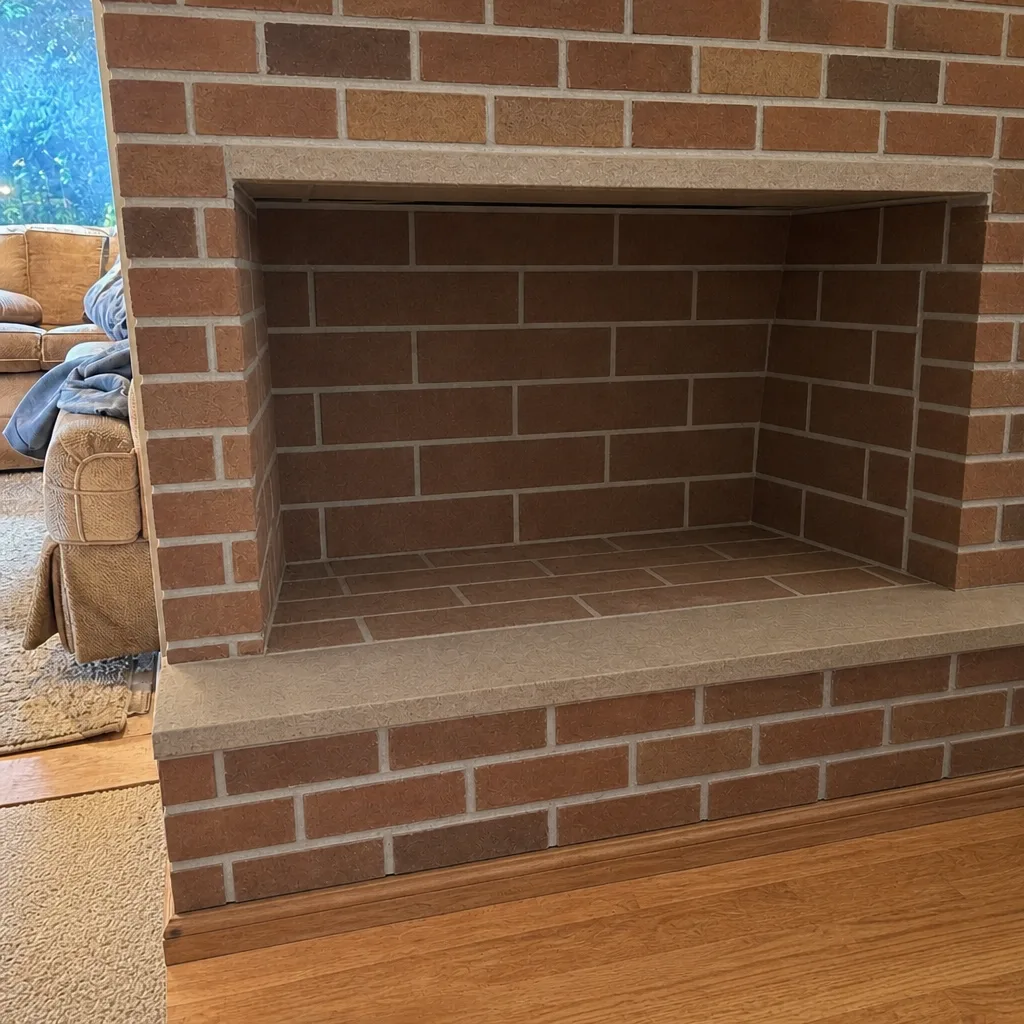 After
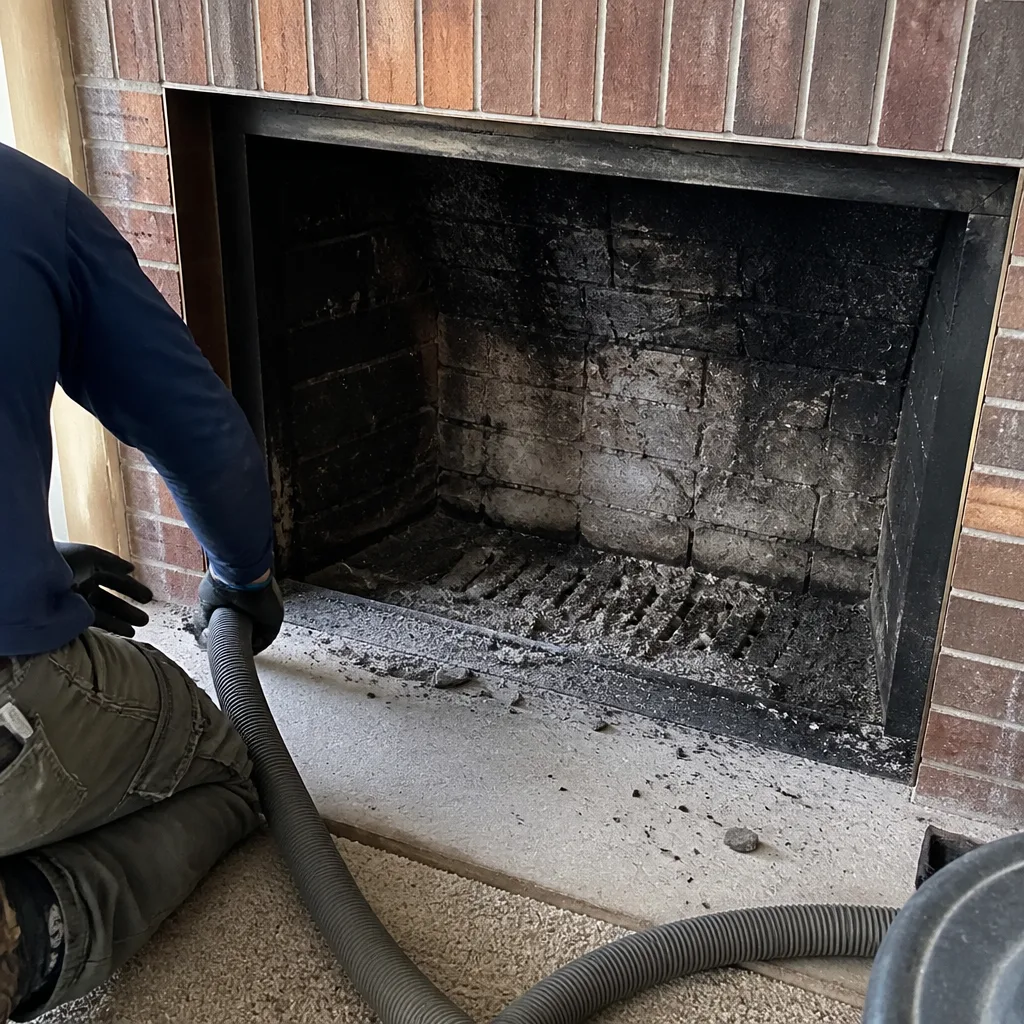 Before
 After
 Before
 After
When to Call a Professional
Some signs can wait for the next seasonal appointment. Some can’t. Call us about any of the following:
- Efflorescence that returns after brushing, spalling brick, or a crown crack you can see from the ground.
- A smoke smell when the fireplace is cold, or a damper that has become noticeably harder to move than last season.
- Any visible Stage 2 or Stage 3 creosote from the firebox opening.
- Moisture, staining, or corrosion around a gas fireplace insert.
- Any smell of gas near a gas fireplace.
- A firebox door or damper that closes unevenly.
We can look at everything on the list, come back with a clear picture of what’s actually happening, and show you the camera footage so you can see it for yourself. Chimney Sweep Heather Gardens offers free estimates in Heather Gardens on repair work; call (877) 792-5799. We answer 24/7. Fast dispatch from 7am to 7pm, Sunday through Friday.
If any of these signs point toward a sweep, see our Chimney Sweep Heather Gardens service page for the full picture of what a visit includes.
Frequently Asked Questions
A white powdery deposit on the exterior masonry, called efflorescence, is often the first visible sign, because it shows up before the masonry has visibly degraded. It means water is moving through the chimney right now, and the deposits are the outside portion of what’s happening inside the structure.
It can be. A faint smoky smell is expected in a fireplace that’s just been used, but a clear smoke or creosote smell from a cold firebox usually points to a damper that doesn’t seal, a partial flue blockage, or a pressure imbalance in the house. None of these are urgent, but each is worth an inspection. Call (877) 792-5799 for an exact quote on an inspection; estimates on repair work are free.
From the firebox opening with a flashlight and a phone camera, Stage 1 shows as a soft gray or brownish soot that brushes off easily. Stage 3 shows as a thick, dark, tar-like glaze that reflects light and won’t brush off. If you can see the glazed look, don’t light another fire until the flue has been swept.
Not always, but often. A damper that has never moved freely is more likely a hardware issue; a damper that used to move easily and no longer does is more likely to reflect movement in the masonry around the damper frame. The timing of the change is the clue.
Yes, and for different reasons than a wood-burning chimney. Gas fireplaces produce moisture as a primary byproduct, which corrodes the vent over time. Staining, corrosion, or a musty smell at the firebox are the warning signs to watch for; an inspection is how you catch them before the vent fails.
As a rule, a wood-burning chimney that sees regular use should be swept once a year, and a gas fireplace should be inspected annually even though it doesn’t produce creosote. The high-country climate in Heather Gardens makes spring a good season for the visit, since the freeze-thaw cycle of winter is when the most visible wear appears.
The Bottom Line
The warning signs that matter most are the quiet ones: efflorescence, spalling, hairline crown cracks, a sticking damper, a cold-fireplace smoke smell, and glazed creosote visible from the firebox. Each one points to a specific mechanical condition in the chimney system, and each becomes harder and more expensive to solve the longer it’s ignored. The good news is that a homeowner can catch most of them during a five-minute seasonal walk. The value of a proper sweep is that it turns those observations into a documented report you can look at, with photo evidence, so you know exactly what you’re dealing with.
A chimney is a system. Water causing efflorescence may also be degrading the liner. A sticking damper may be telling you the masonry has moved. When we sweep, we inspect too, and when we find something it’s a repair we can address. Materials come from brands built specifically for the chimney trade: HeatShield for liner resurfacing, DuraFlex for flex liners, Gelco and Famco for caps and ventilation components. If part of the guide describes your chimney, the next step is a real look at it.
Call (877) 792-5799 to book a sweep, an inspection, or a free estimate on repair work in Heather Gardens. We answer 24/7. Fast dispatch from 7am to 7pm, Sunday through Friday. Our team walks you through what we found and shows you the camera footage before any work is recommended. Nothing is suggested without evidence you can see for yourself, and we’ll tell you plainly when a job can safely wait until next season.
Written by the team at Chimney Sweep Heather Gardens.