
Last updated November 23, 2026
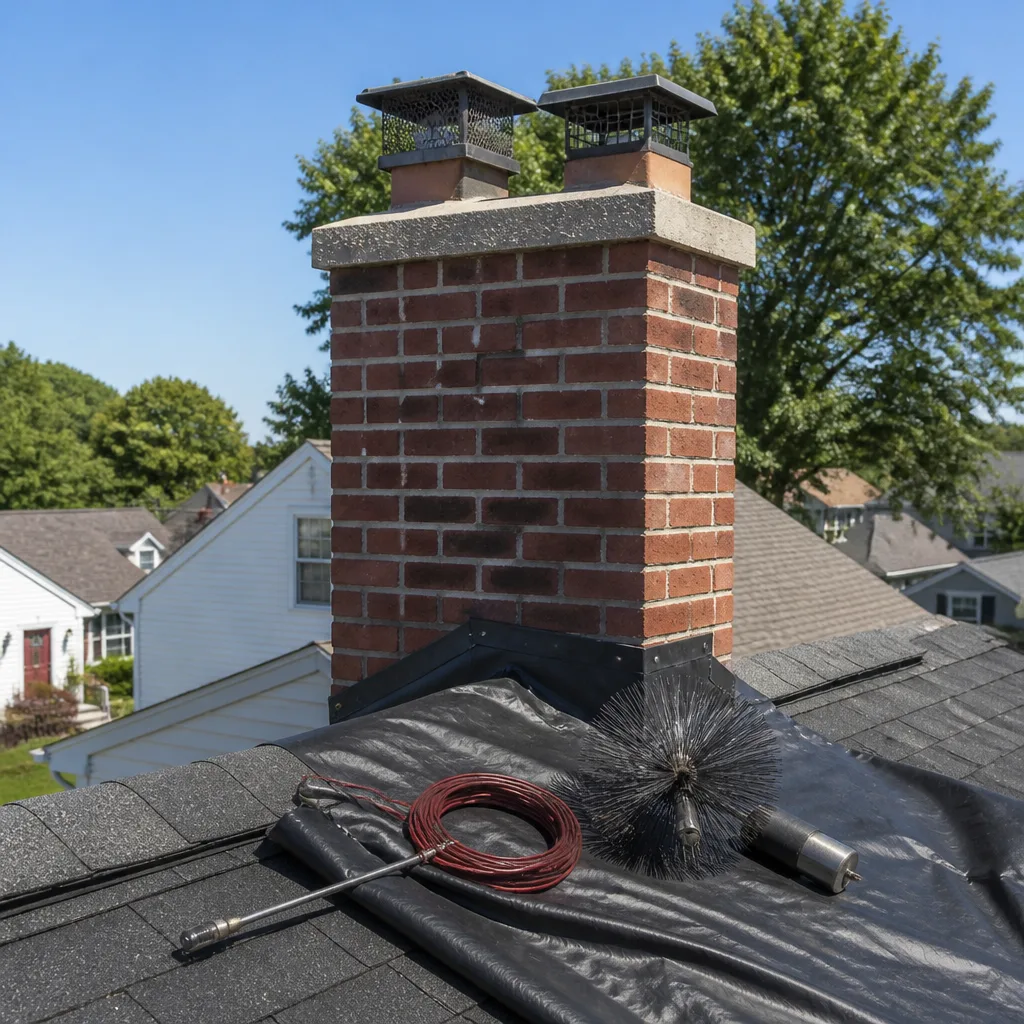 Sweep & inspection
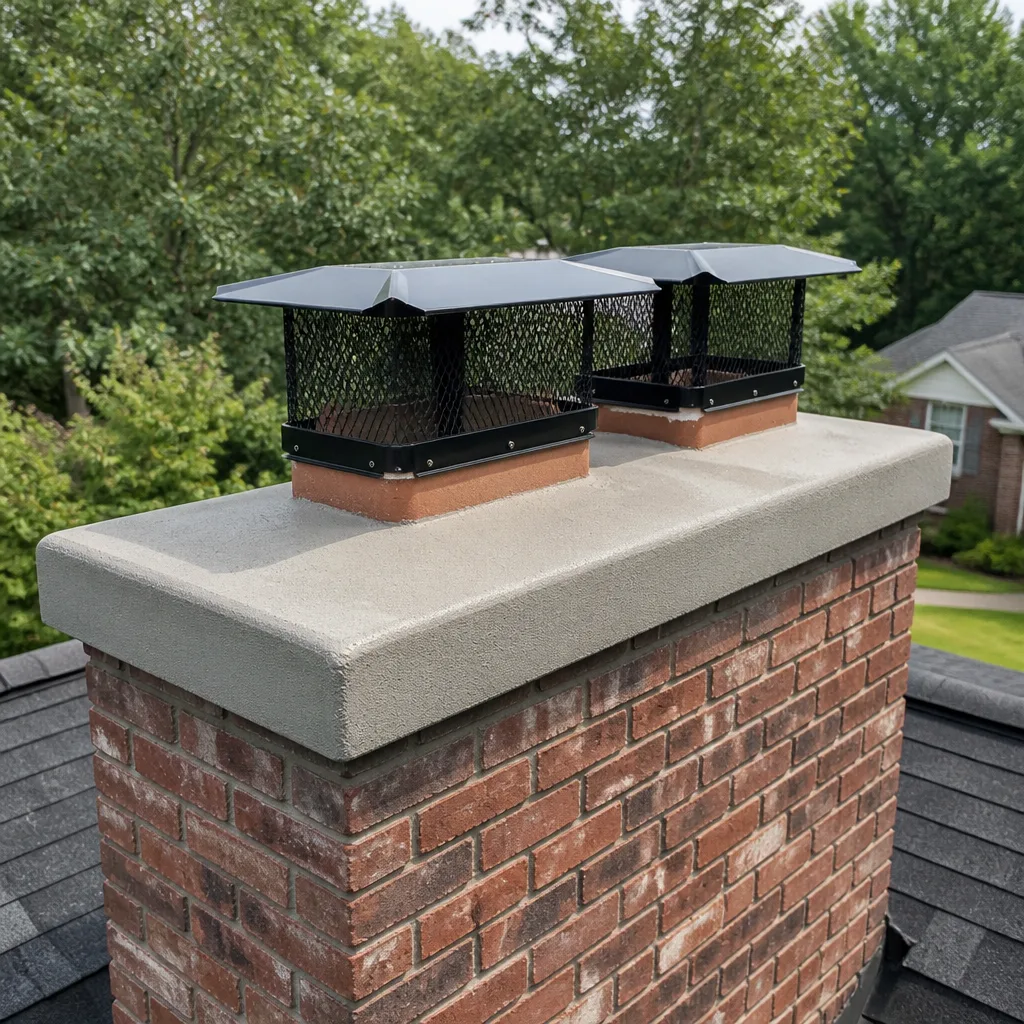 Caps & crowns
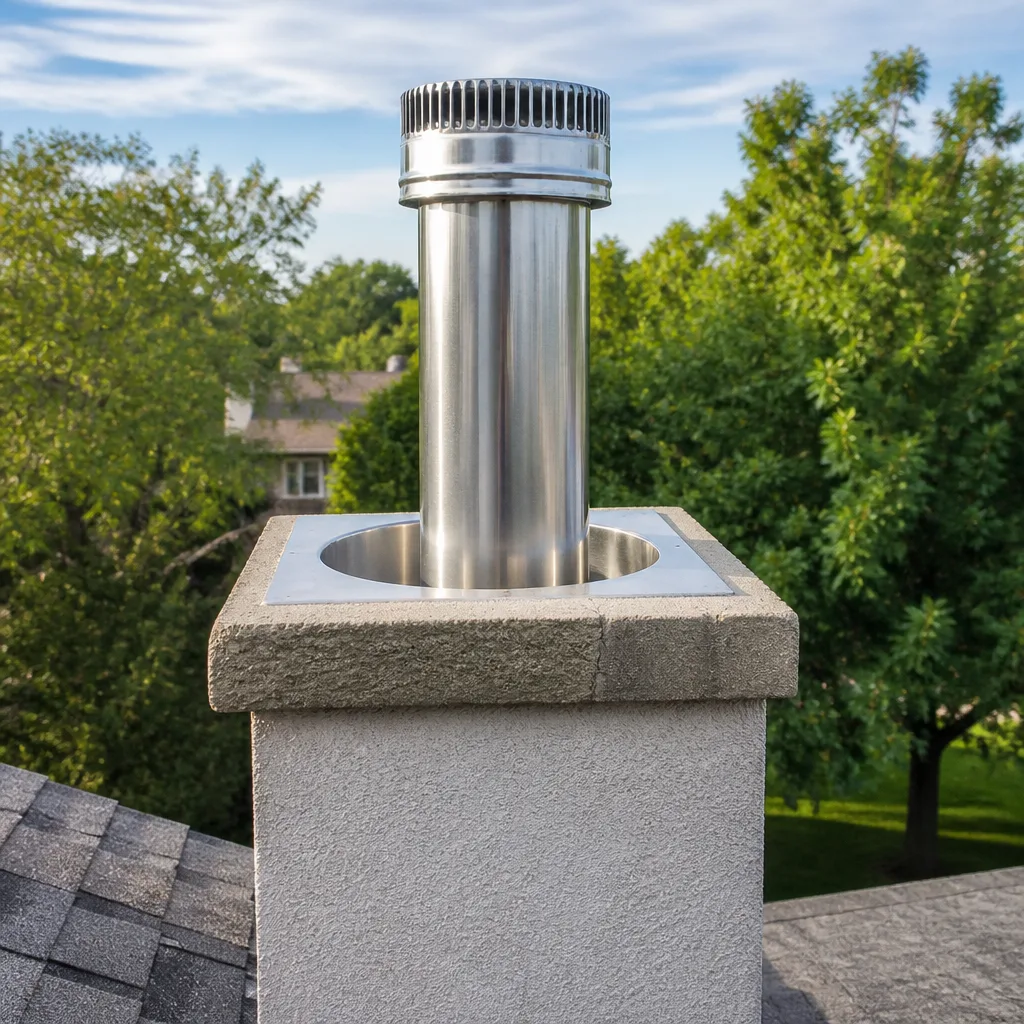 Flue relining
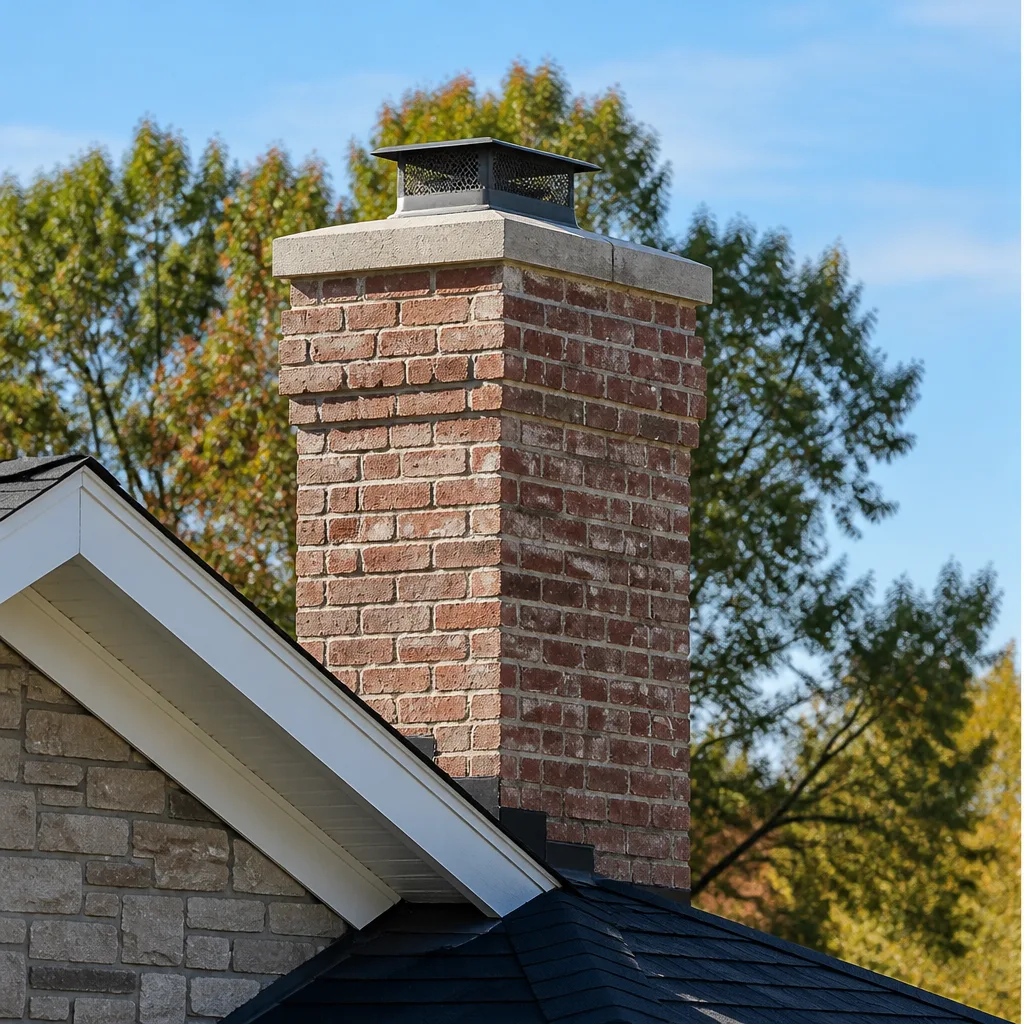 Masonry repair
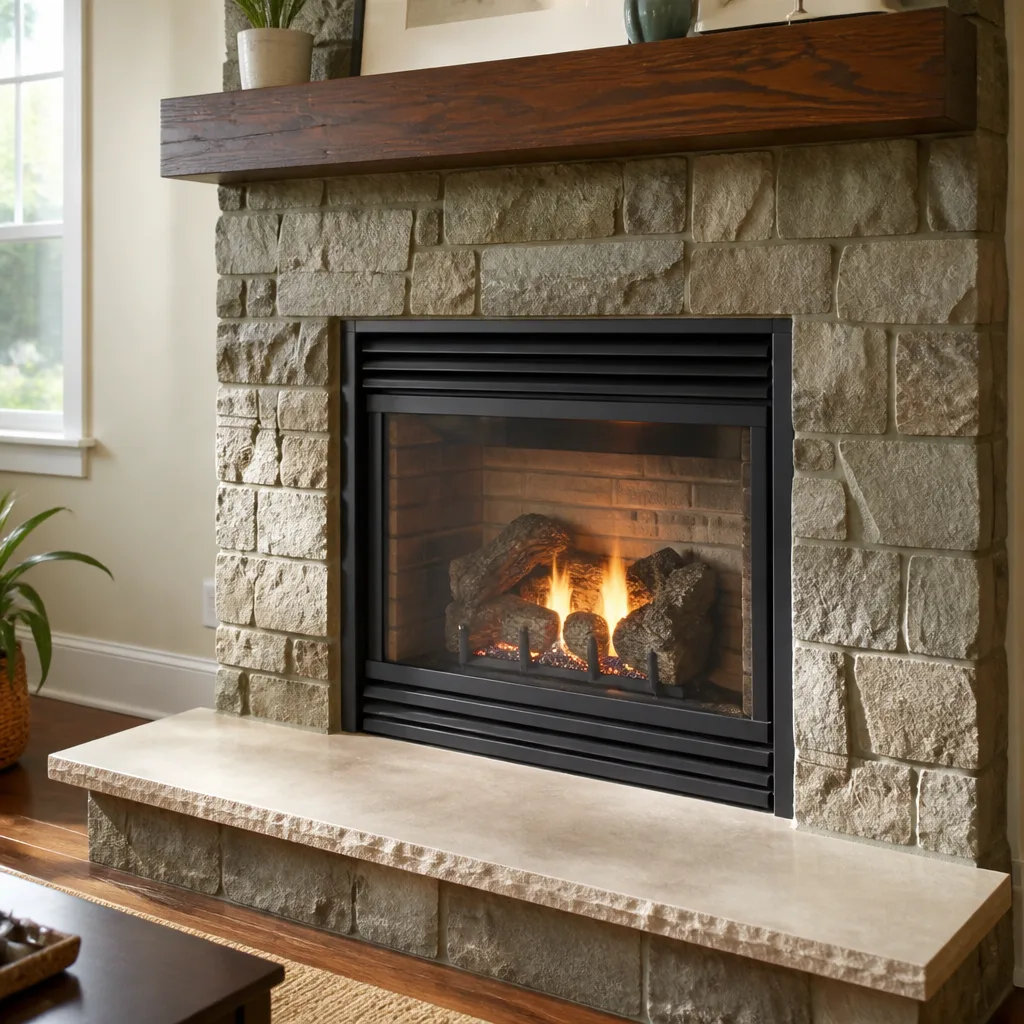 Gas fireplace service
Level 1 sweep and inspection to the NFPA 211 annual standard - flue, crown, cap, and flashing checked and photographed
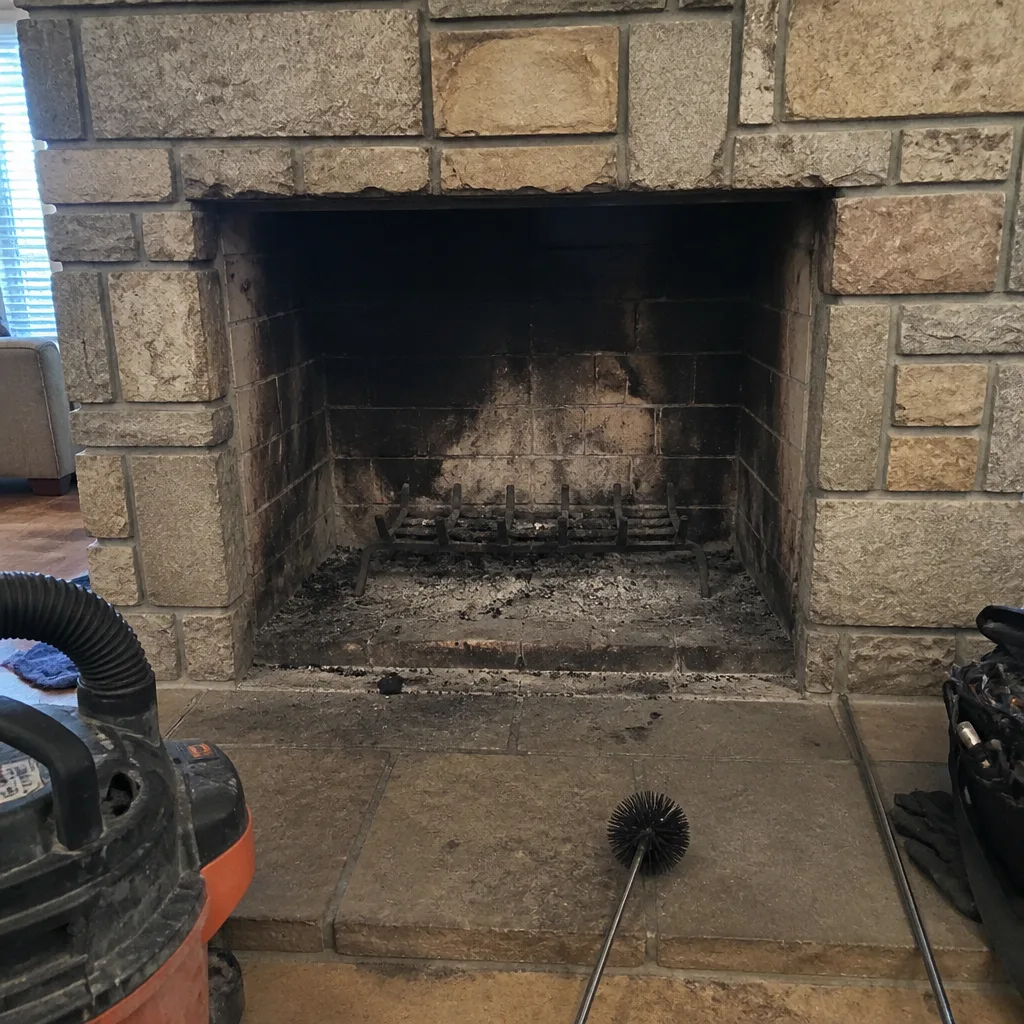
Chimney sweep logs do not sweep chimneys. They loosen some creosote - which then falls where a brush and vacuum still have to collect it.
The Complete Guide to Chimney Cleaning in Heather Gardens
At 5,600 feet, wood burns differently than it does at sea level. Thinner air means less oxygen for every flame, and less oxygen for the fire means more unburned material leaving the firebox as creosote. That single fact changes how chimney cleaning works in Heather Gardens, and it’s why the standard “once a year, no matter what” rule doesn’t automatically apply to homes here. Wood-burning season runs long in this part of Colorado, and the dry climate dries firewood fast, sometimes faster than it cures. This guide maps the whole chimney as a system: how elevation affects what builds up inside the flue, why a cleaning visit and an inspection are not the same thing, what a sweep actually checks beyond the pipe, how to read the report you get back, and how local burn-day habits shape your maintenance schedule. Read it once and you’ll make decisions instead of guesses.
Quick Answer
Chimney cleaning in Heather Gardens means removing creosote, soot, and debris from the flue and firebox, then inspecting the whole chimney system – liner, damper, crown, and cap – to catch problems before they become repairs. At this elevation, incomplete combustion builds creosote faster than the national “sweep once a year” guideline assumes, so the right schedule depends on how much you burn, what you burn, and what the inspection finds. A proper cleaning ends with a written report you can read and act on.
Styles & brands we work with
- Sweep & inspection
- Caps & crowns
- Flue relining
- Masonry repair
- Gas fireplace service
Table of Contents
- Why Elevation Changes Chimney Cleaning in Heather Gardens
- Cleaning vs. Inspection: Two Different Jobs
- What a Full-Service Sweep Actually Checks
- How to Read Your Sweep’s Report
- Burn-Day Habits and Air Quality in the Heather Gardens Area
- How Often Should You Schedule Cleaning?
- Gas Fireplaces Need Attention Too
- What You Can Safely Do Yourself
Why Elevation Changes Chimney Cleaning in Heather Gardens
Combustion needs oxygen, and at 5,600 feet there’s roughly a fifth less of it in every cubic foot of air than at sea level. A fire burning in thin air produces a cooler, less complete burn unless it’s managed carefully – and a cooler, less complete burn leaves more creosote behind. That’s the whole mechanism. It isn’t that Heather Gardens fireplaces are built wrong. It’s that the same firewood, burned the same way, in the same stove, deposits more inside the flue here than it would in a home near the coast.
Colorado’s dry climate adds a second wrinkle. Firewood that’s been split and stacked dries quickly on the surface but can stay wet in the core for a long time. Wood that looks seasoned but isn’t burns poorly, and poorly burning wood is the single biggest creosote contributor there is. In our experience, homeowners here tend to buy firewood late and burn it early, which is exactly the combination that produces the sticky, glazed creosote that’s hardest to remove.
What this means in practice:
- Homes that burn regularly through a long season can build up meaningful creosote in less than a full calendar year.
- The type of creosote matters as much as the amount – soft, flaky soot sweeps out easily; glazed, tar-like creosote needs more aggressive removal and sometimes liner resurfacing.
- Homes that burn occasionally, or burn mostly manufactured logs, may go longer between cleanings, but still need annual inspection.
- Chimneys that draft poorly at this elevation tend to accumulate faster, because smoke lingers in the flue instead of clearing.
The national “once a year” rule is a reasonable floor, not a ceiling. In Heather Gardens, whether you need more frequent cleaning comes down to your actual burning habits and what the last inspection found. That’s a conversation, not a formula – and it’s why we look before we sweep. For a broader look at how we approach this, see our chimney sweep service page.
Cleaning vs. Inspection: Two Different Jobs
Most homeowners treat cleaning and inspection as one thing. They’re not, and conflating them is where gaps in a chimney’s health record start. A cleaning removes what’s inside the flue. An inspection documents the condition of the entire system – the parts you can’t see and the parts a brush never touches. You can have a perfectly clean flue and a cracked crown, a failing damper, or a liner that’s ready for repair. A cleaning alone won’t tell you any of that.
Here’s the practical distinction:
What a cleaning does
- Removes creosote, soot, and debris from the flue.
- Clears the smoke chamber and firebox of buildup.
- Removes blockages – nests, leaves, fallen masonry.
- Leaves the flue ready for safe use.
What an inspection does
- Documents liner condition, including cracks and gaps a brush glides right past.
- Checks the firebox, damper, smoke chamber, and flue joints.
- Examines the exterior – crown, cap, flashing, and masonry.
- Produces a written record you can compare year over year.
We offer inspections as a standalone service, not just a cursory glance bundled into a sweep. That matters because a yearly inspection record is how you spot a problem while it’s still small. A hairline crack in a liner looks like nothing in year one. By year three, without a record to compare against, it’s impossible to know whether it’s been growing or whether it just appeared. Documented history is what turns “I think it’s fine” into “I know what changed.”
In a Heather Gardens home where the fire burns long and hot through the season, we treat the sweep and the inspection as connected services. The sweep cleans; the inspection tells us whether cleaning is all the chimney needs. Problem found during one visit can usually be addressed without scheduling a second contractor, because we handle the repair side too – from fireplace repair to liner restoration.
What a Full-Service Sweep Actually Checks
A chimney is a system, and we service all of it. That phrase means something specific when a technician is standing in your living room. A quick vacuum-and-go visit touches the flue and nothing else. A full-service sweep works through the whole assembly, top to bottom, because a problem at the crown can be caused by a problem at the damper and neither one shows up in the flue alone.
Here’s what we work through on a standard visit:
- Firebox. We check the firebox for cracked brick, deteriorated mortar joints, and heat damage. Cracks here let heat escape into the structure around the chimney, which is a real concern, not a cosmetic one.
- Damper. The damper needs to open fully and close cleanly. A damper that sticks open wastes heat; one that won’t open fully starves the fire and makes creosote build faster.
- Smoke chamber. This is the sloped space above the damper where smoke gathers before it enters the flue. It’s also where creosote accumulates most heavily and where a lot of quick sweeps stop looking.
- Flue and liner. We check liner condition for cracks, gaps, and separation. If the liner needs resurfacing, we use HeatShield, a liner resurfacing system built specifically for professional chimney technicians – not a product a general handyman can apply correctly.
- Crown. The crown is the concrete cap at the top of the chimney that sheds water away from the masonry. A cracked crown lets water in, and water damage is behind a large share of the chimney repairs we handle.
- Cap. The cap keeps rain, birds, and debris out of the flue. A missing or damaged cap is one of the most common causes of sudden draft problems. We install caps using Gelco, Famco, and Olympia Chimney components, chosen to match the chimney rather than defaulting to a single one-size product.
- Exterior masonry and flashing. We look at the brickwork and the flashing where the chimney meets the roof, since both are common leak points.
We inspect what we clean – and repair what we find. That’s the difference between a cleaning visit and a service visit. If you want to see how cap and crown work fits into the picture, our chimney cap & crown page covers it in detail.
How to Read Your Sweep’s Report
A written report is only useful if you can sort it into “act now,” “watch this,” and “ignore it.” Most homeowners get a page of findings and no way to triage them, which is how unnecessary repairs get sold and real problems get missed. Here’s how to read what you’re handed.
Urgent – address before the next fire
- Cracked or damaged liner. A failed liner lets heat and gases reach combustible material. This is not a wait-and-see item.
- Blocked flue. A nest, a fallen cap, or heavy debris blocking the flue means smoke and carbon monoxide have nowhere to go but back into the room.
- Glazed creosote at depth. Third-degree, tar-like creosote is the fuel for a chimney fire and won’t come out with a standard brush.
- Damaged or missing cap. Without a cap, the flue is open to weather and animals, and the problem compounds quickly.
Watchful – plan for it, but not today
- A cracked crown. Small cracks can often wait a season, but they don’t heal. Water gets in and freezes, and the crack widens.
- Minor mortar deterioration. Repointing is a normal maintenance item, best done before it becomes a rebuild.
- Damper that sticks. Annoying now, potentially a draft problem later.
Cosmetic – note it and move on
- Surface soot staining. Doesn’t affect function.
- Minor rust on exterior components. Worth monitoring, rarely urgent.
The report should tell you which category each finding falls into. If it doesn’t, ask. A good technician would rather explain than have you guess. We’re also honest about when work can safely wait – a crown crack on a covered chimney in a dry season is a different timeline than the same crack heading into freeze-thaw weather. Timing depends on your chimney, not on a sales calendar.
Compare each report to the last one. Year-over-year, a report becomes genuinely useful: you can see whether a crack is growing or whether a repair held. Without that comparison, every finding sits alone and every decision starts from scratch.
Burn-Day Habits and Air Quality in the Heather Gardens Area
How you burn matters as much as how often you sweep. The Denver metro area, including the Heather Gardens area, has seasonal air quality rules for wood burning. On certain days, local air quality agencies issue restrictions or full bans on wood burning when pollution levels are high, and those rules can affect how often your chimney needs attention.
The rules themselves are worth knowing. Burn restrictions typically come in two forms: voluntary “no-burn” days, when residents are asked to hold off on wood burning, and mandatory restrictions, when burning is prohibited outright. Those rules are issued by the regional air quality agency, and they change day to day. Check the current status before you light a fire rather than assuming a clear sky means a clear day to burn.
Why this matters for your chimney:
- On restricted days, holding off keeps you compliant and keeps the air cleaner for the neighborhood.
- Complying means fewer burn days over the season, which can slow creosote accumulation – but it also means each fire you do burn tends to be a longer, hotter one, and a long hot fire deposits creosote differently than a series of short ones.
- Observing restrictions is not a substitute for cleaning. Less burning lowers the rate of buildup; it doesn’t reset it.
There’s a practical rhythm to burning well in Heather Gardens. Burn hot, efficient fires rather than smoldering ones, use well-seasoned wood, and don’t damper a fire down to stretch it overnight – a slow, smoky burn is the fastest way to line a flue with glazed creosote. These are habits, not chores, and they’re the single biggest reason two identical chimneys on the same street can need cleaning on completely different schedules.
If you’re unsure whether your burning habits are putting your chimney at risk, that’s part of what an inspection answers. It’s a measurement, not a lecture.
How Often Should You Schedule Cleaning?
There’s no single correct answer, but there is a defensible way to arrive at your answer. The national guideline is a sweep and inspection once a year. At 5,600 feet in a long burning season, a Heather Gardens home that burns regularly should treat that as a minimum and let the inspection tell you whether more frequent cleaning is warranted. Homes that burn rarely may go longer between sweeps, but should still get the annual inspection.
Here’s how we’d think through a schedule for a typical Heather Gardens home:
- Count your burn days. A rough count of how many days a week you have a fire through the season is the starting point. Every day you burn is a day creosote accumulates.
- Look at what you burn. Dry, well-seasoned hardwood burns cleanest. Unseasoned wood, softwoods, and manufactured logs all deposit differently.
- Check how you burn. Hot, efficient fires leave less behind than smoldering ones. A flue damper closed too far overnight is a creosote factory.
- Read the last inspection. If it flagged watchful items, the schedule may need to tighten. If everything came back clean, you may have room to stretch.
- Listen to the last report, not the calendar. The calendar tells you to do something once a year. The report tells you what you actually need.
Some signs you shouldn’t wait for the annual visit:
- Smoke rolling back into the room instead of going up the flue.
- A strong, sharp smell from the fireplace even when it’s not in use.
- Visible soot or creosote buildup on the firebox walls.
- A fire that won’t draw, even with well-seasoned wood.
- Chimney fires are sometimes silent – a loud roar or a rumbling sound from the flue is a reason to stop using the chimney and have it looked at.
Where a chimney fire or a suspected liner issue is involved, don’t use the chimney until a technician has inspected it. That’s a safety line, not an upsell – a damaged liner after a fire is a real hazard, and it’s invisible from the living room. Call (877) 792-5799 for an exact quote, and estimates are free.
Gas Fireplaces Need Attention Too
A gas fireplace doesn’t produce creosote, so the cleaning question is different. But “no creosote” doesn’t mean “no maintenance.” Gas fireplaces still need inspection – the venting system, the firebox, the burners, and the ignition all benefit from a look. Dust and debris collect in the firebox and around the burner, and a partially blocked vent on a gas appliance is a genuine carbon monoxide concern, not a minor one.
The same “sweep once a year” instinct should apply: an annual inspection on a gas fireplace is cheap insurance compared to the alternative. A technician checking a gas chimney looks at the venting, the cap, the firebox condition, and the burner assembly. It’s a different checklist than a wood-burning chimney gets, but it’s a checklist all the same.
Gas fires also produce moisture vapor as a byproduct of combustion, so a chronically damp firebox or a drafty gas fireplace can leave traces of corrosion on internal components. That’s exactly the kind of slow wear an inspection catches while it’s still minor and a visual pass from the living room never would.
If you’ve never had your gas fireplace inspected, you’re not alone – it’s one of the most commonly skipped maintenance items in any home. It’s also one of the most worthwhile.
What You Can Safely Do Yourself
There’s a real line between what a homeowner can do and what calls for a trained professional, and it’s worth drawing clearly. The dangerous work here is liner work, damper repair, crown repair, and anything involving the flue interior. Do not try to remove heavy creosote deposits yourself, and never attempt to clean a glazed creosote buildup with a handheld brush. A chimney fire is a real risk, and an untrained attempt to remove it can make it worse.
What you can do safely:
- Keep a clear hearth. Nothing combustible within a few feet of the firebox opening.
- Burn properly. Seasoned wood, hot fires, no smoldering overnight burns.
- Check the cap visually from outside. If it’s loose, cracked, or missing, that’s a call to a professional.
- Look for water intrusion. Staining on the masonry or around the chimney at the ceiling line is worth investigating.
- Empty the ash pan when it’s cool, into a metal container away from the house.
Anything that requires getting inside the flue, opening the firebox structure, or working on the crown should be left to a technician. In a Heather Gardens home where the flue is working hard through a long season, a thorough professional cleaning is the cost of a safe, efficient system – and it catches problems a homeowner has no way to see. One specialist for the sweep, the inspection, and the fix means one phone call and one point of accountability.
Common Mistakes to Avoid
- Treating a sweep as a formality. A quick vacuum-and-go visit tells you nothing about liner condition, crown cracks, or damper function. A professional cleaning is an inspection that also cleans – not a cleaning that happens to include a glance.
- Assuming the annual rule is the whole rule. In Heather Gardens’s thin air and long season, some homes build creosote fast enough to need more frequent cleaning. Let the inspection tell you, not the calendar.
- Burning unseasoned wood to save a little. Wet wood burns poorly and deposits more creosote than dry wood – the savings on the wood are a bill that comes due inside the flue.
- Ignoring a missing cap for one season. An uncapped flue is open to rain, snow, birds, and debris. Small problems that start at the top work their way down.
- Putting off a watchful finding until it’s urgent. A small crown crack is a cheap repair. The same crack after a season of freezing and thawing is a bigger job.
- Assuming a gas fireplace needs nothing. Gas appliances produce no creosote but still need venting and firebox inspection – a blocked vent is a carbon monoxide risk, not a cosmetic issue.
- Skipping the report record. Without a written history, you’re starting from zero every year. With it, you can actually see what’s changing.
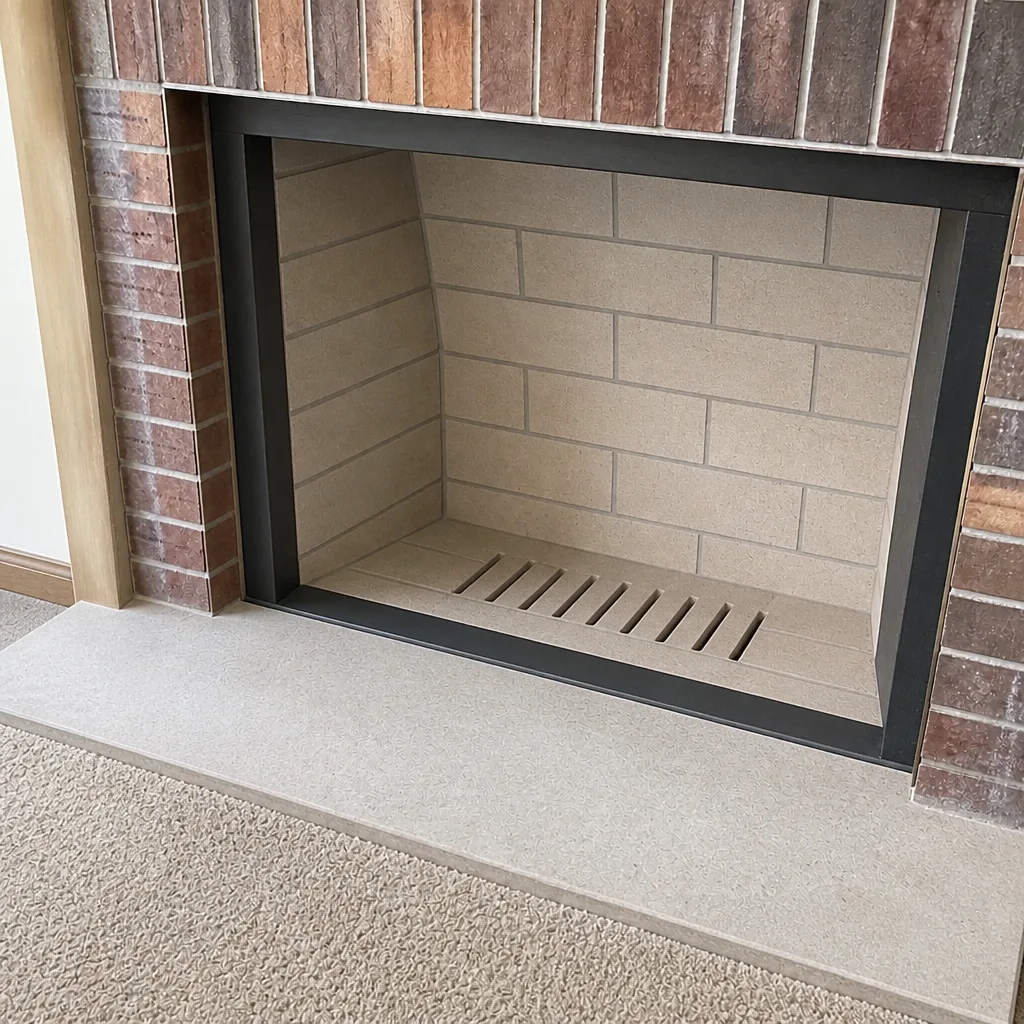
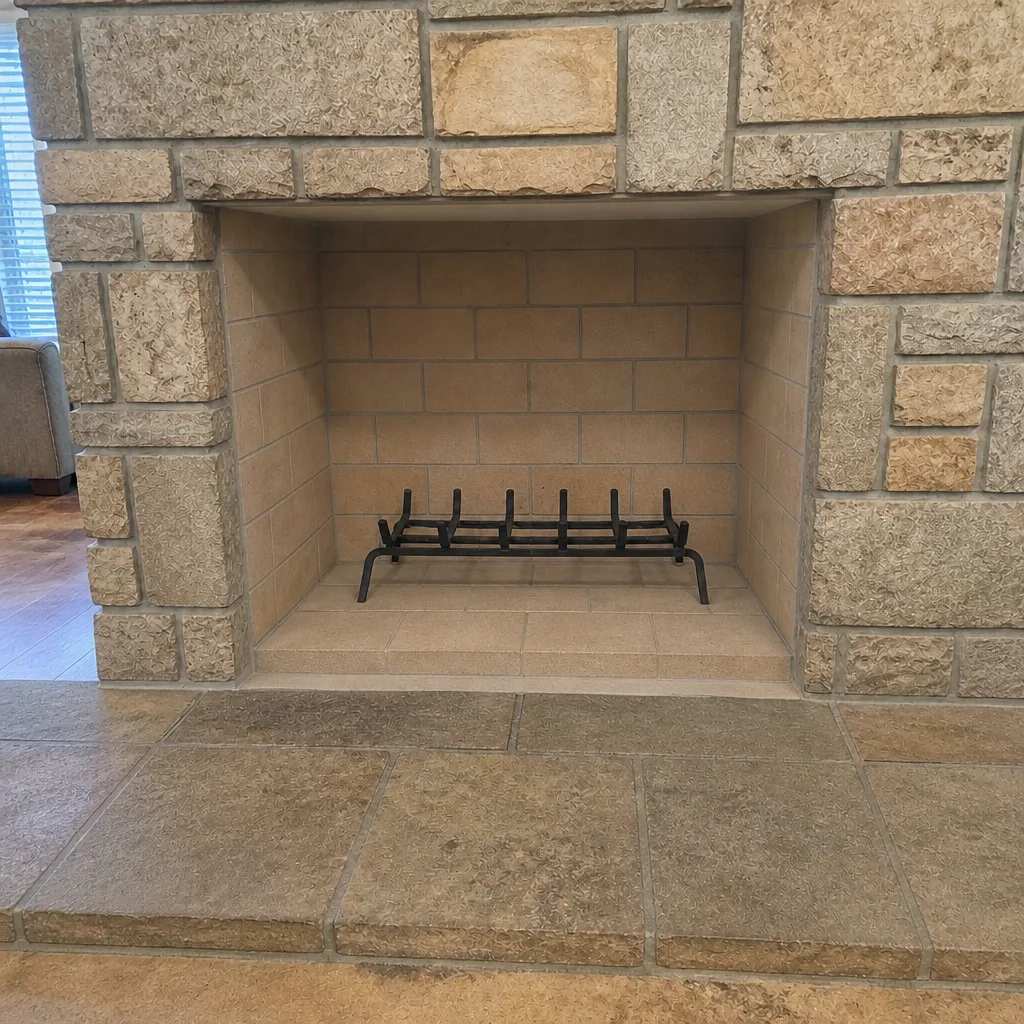
See the difference
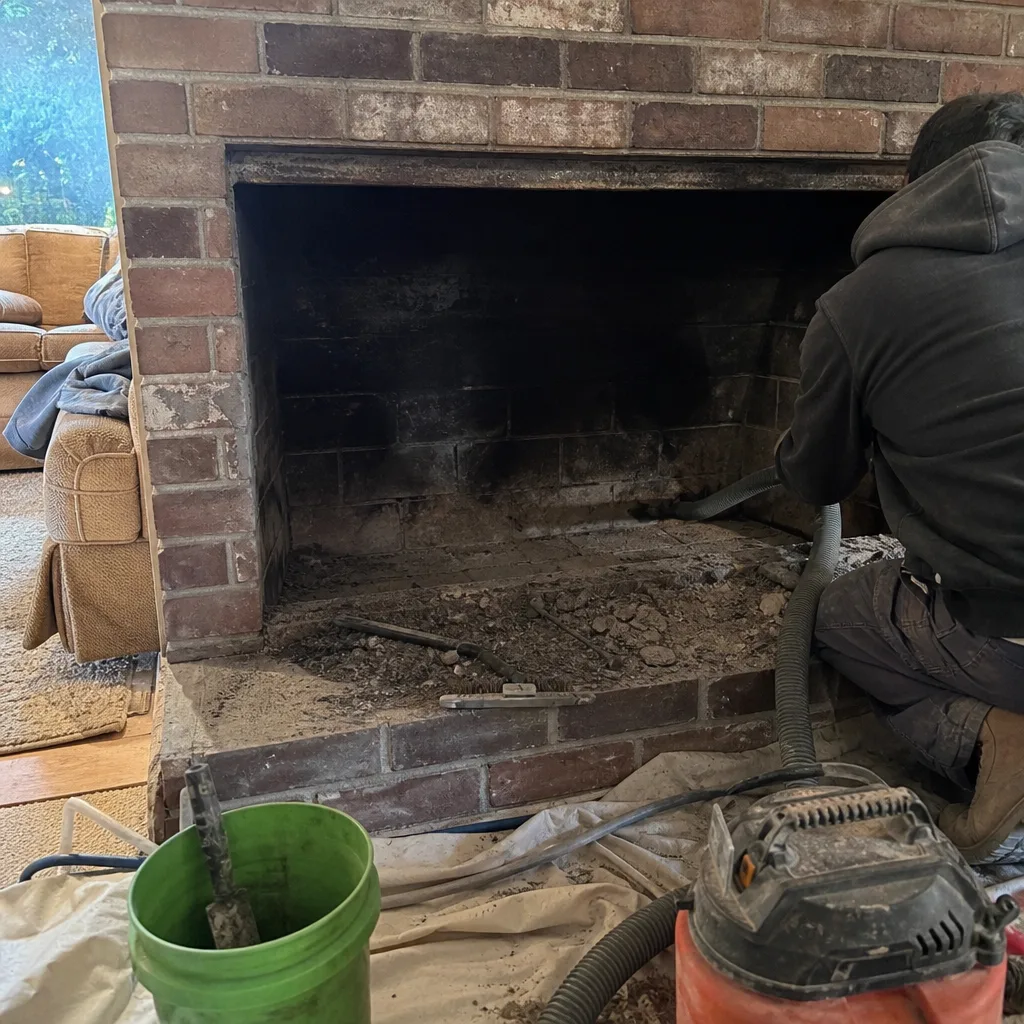 Before
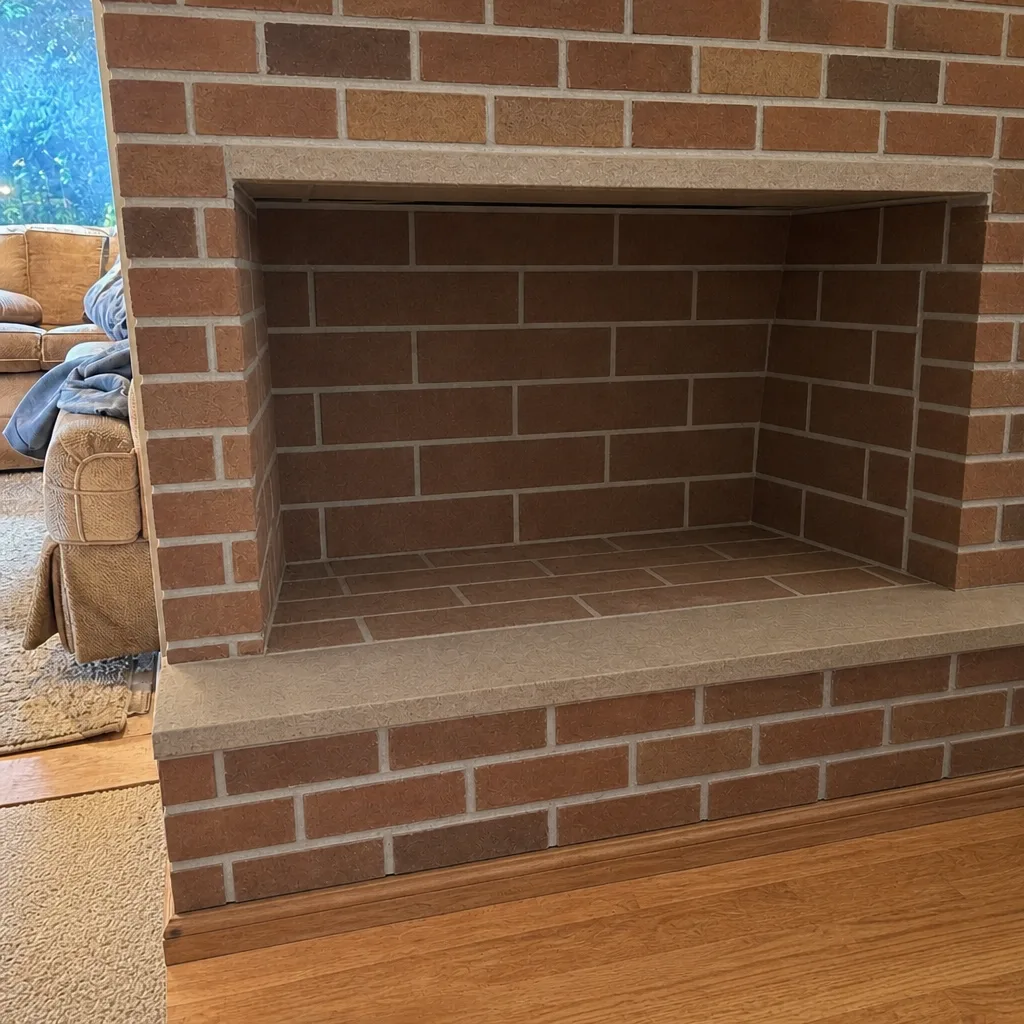 After
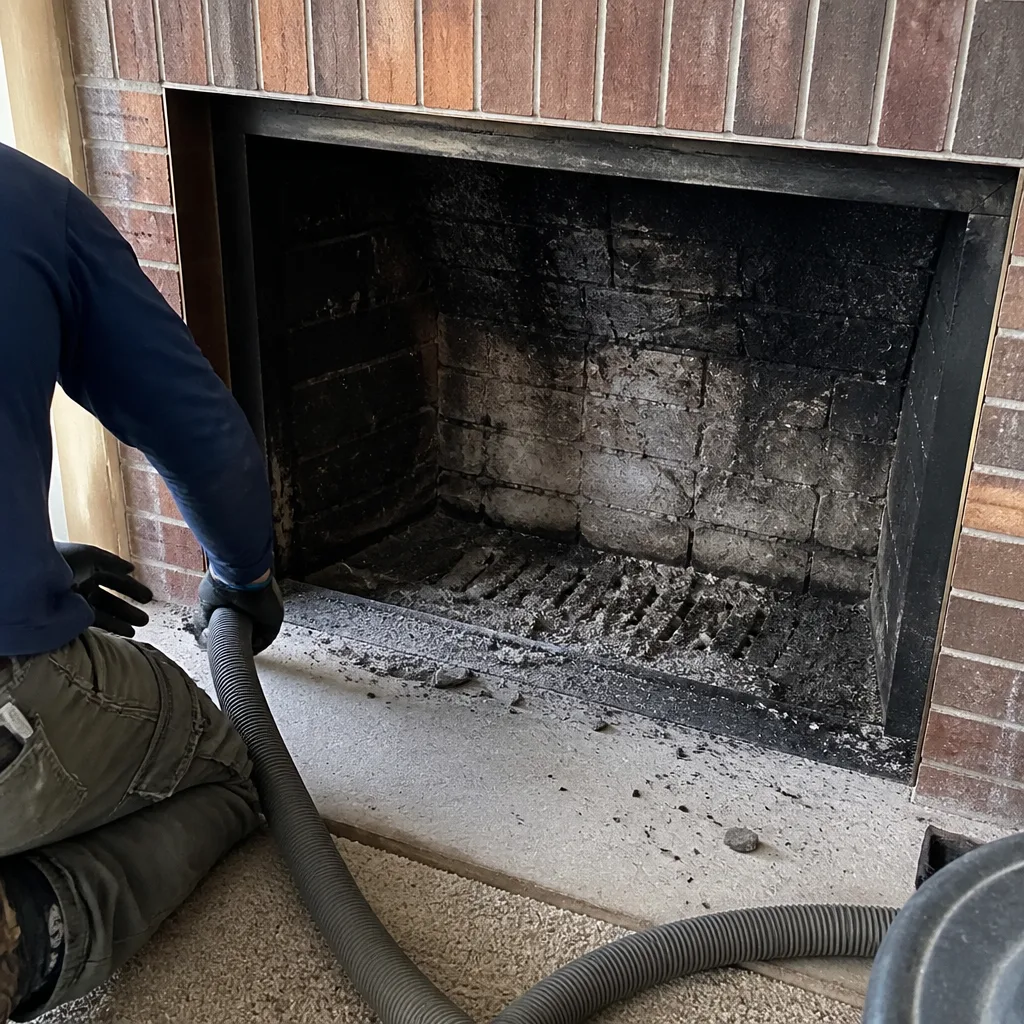 Before
 After
 Before
 After
When to Call a Professional
Call for a professional cleaning and inspection if any of the following applies: it’s been more than a year since your last service; you’ve burned heavily through a season; you smell smoke or a sharp odor from the fireplace when it isn’t in use; smoke rolls back into the room; you see soot or creosote on the firebox walls; or your cap or crown is damaged. Call sooner if you’ve had a chimney fire, however small, or if you’ve never had an inspection at all – the first one establishes the baseline every later visit depends on. For gas fireplaces, an annual inspection is the same rule. Chimney Sweep Heather Gardens offers free estimates in Heather Gardens – call (877) 792-5799. We answer 24/7. Fast dispatch from 7am to 7pm, Sunday through Friday.
Frequently Asked Questions
Chimney cleaning in Heather Gardens typically costs between $150 and $350 for a standard sweeping, with the exact price set by the written estimate after we see the chimney. Cost depends on the size and condition of the flue, how much creosote has built up, and whether any repairs come up during the inspection. Estimates are free, so there’s no reason to guess. Call (877) 792-5799 for an exact quote.
Only if the inspection shows the liner is cracked, gaping, or failing – and you should be able to see the evidence yourself before any work begins. A liner that’s dirty but intact doesn’t need replacing; it needs cleaning. If the liner is worn but not failing, HeatShield resurfacing can sometimes restore it without a full replacement, and we’ll tell you plainly when that’s an option and when it isn’t. Call (877) 792-5799 to have it looked at.
The national guideline is once a year, and in Heather Gardens that’s the floor, not the ceiling. At this elevation, incomplete combustion builds creosote faster than the same fire would at sea level, and homes that burn heavily through the season should let the inspection tell them whether more frequent cleaning is warranted. Annual inspection is worth doing regardless. Call (877) 792-5799 to schedule one.
The creosote keeps building and the inspection record never gets made, which is how small problems turn into repairs. A blocked flue sends smoke and carbon monoxide back into the room, and a glazed creosote deposit is the fuel a chimney fire needs. None of that is a reason to panic – it’s a reason to get on a schedule. Call (877) 792-5799 and estimates are free.
No – a cleaning removes what’s inside the flue, and an inspection documents the condition of the entire system, including the liner, crown, cap, and damper. You can have a perfectly clean flue and a failing crown. We offer inspections as a standalone service so you get a documented record, not just a swept flue. Call (877) 792-5799.
A gas fireplace doesn’t need creosote removal, but it does need an annual inspection of the venting, firebox, and burner, because a blocked vent on a gas appliance is a genuine carbon monoxide concern. The same seasonal rhythm that applies to wood-burning homes applies here. Call (877) 792-5799 for a gas fireplace inspection.
The Bottom Line
Chimney cleaning in Heather Gardens isn’t one task, it’s a system of decisions: what you burn, how you burn it, what the inspection finds, and what you do about what it finds. Elevation makes creosote build faster than the national guideline assumes, so the annual rule is a floor rather than a ceiling. A cleaning keeps the flue clear; an inspection keeps a record; a repair capability means a finding can be fixed rather than scheduled. Read the report, compare it to the year before, and ask when work can safely wait. If you want a sweep, an inspection, and a straight answer, our Chimney Sweep Heather Gardens team is one call away.
Chimney Sweep Heather Gardens works with professional chimney industry brands including DuraFlex, HeatShield, Gelco, Olympia Chimney, Famco, and Copperfield, and our technicians have up to 12 years of experience. Our five services – sweeping, inspection, fireplace repair, chimney repair, and cap and crown installation – are handled by one specialist team, so nothing in your chimney gets handed off between contractors.
Call (877) 792-5799 for a free estimate. We answer 24/7, with fast dispatch from 7am to 7pm, Sunday through Friday. We’re happy to talk through what your chimney needs and what it can safely wait on – and if you’re not sure you need anything at all, that’s fine. We’d rather tell you it’s fine than sell you work you don’t need.
Written by the team at Chimney Sweep Heather Gardens.