
Last updated November 23, 2026
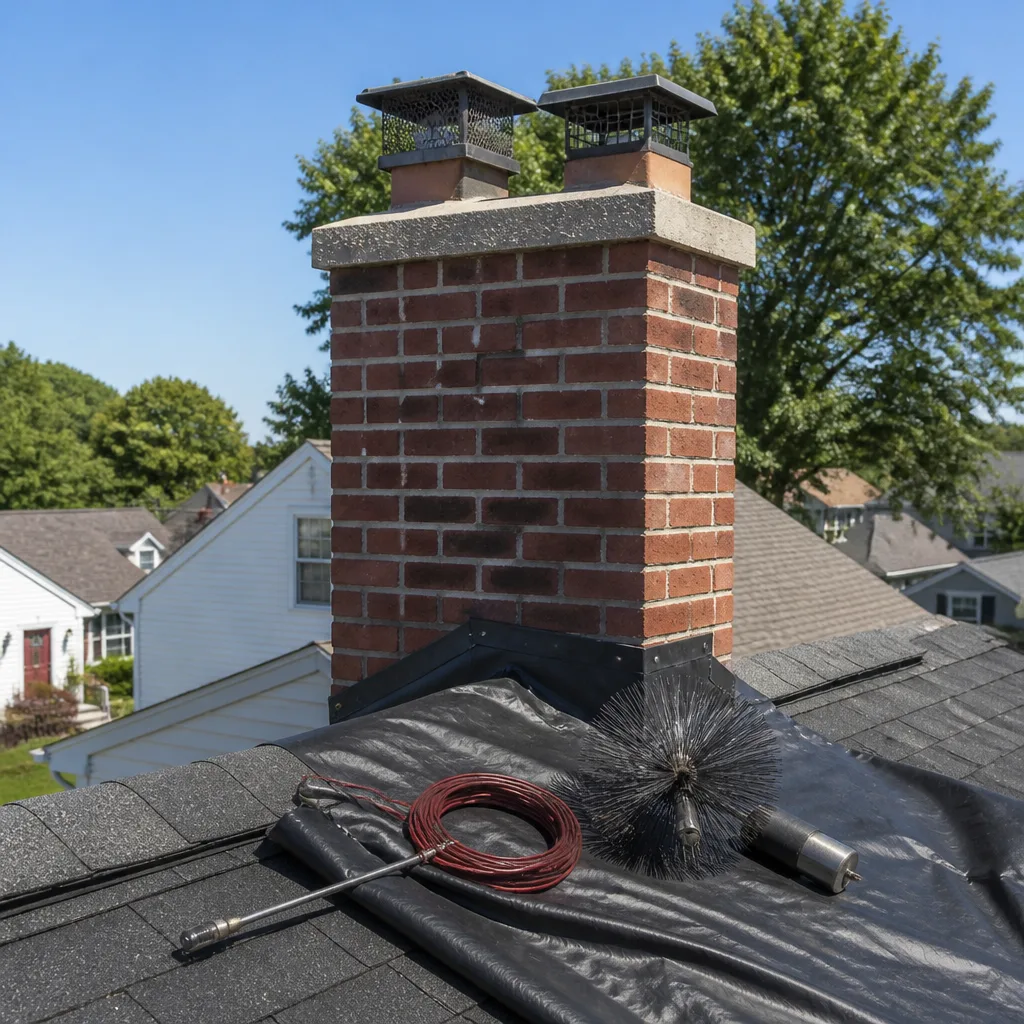 Sweep & inspection
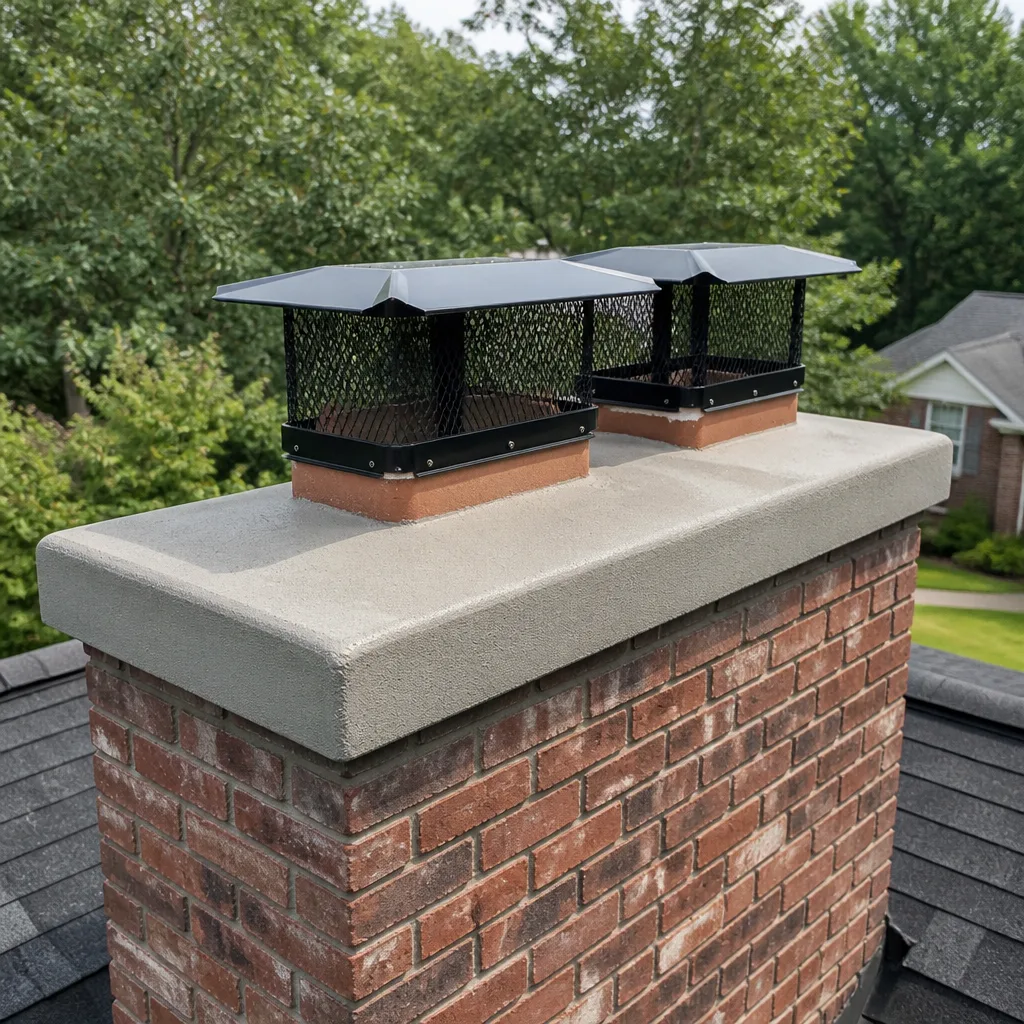 Caps & crowns
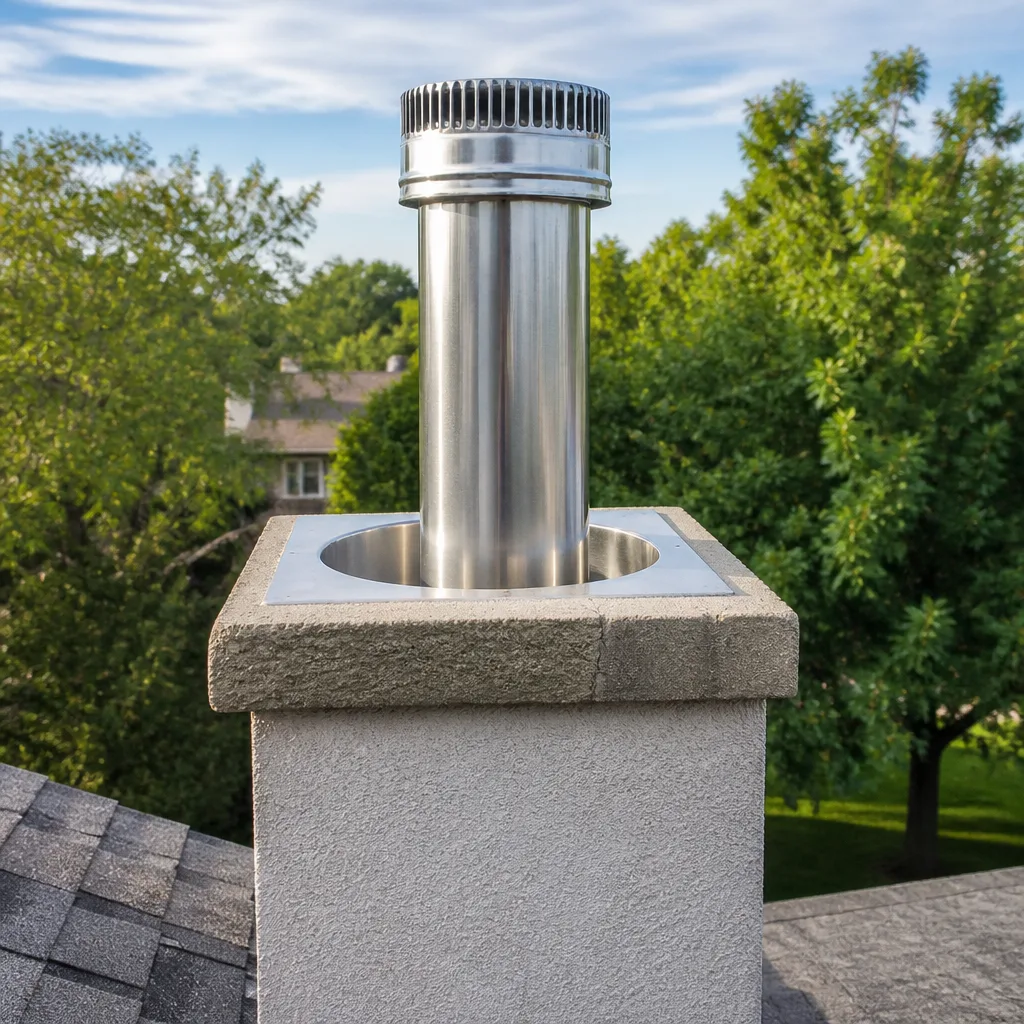 Flue relining
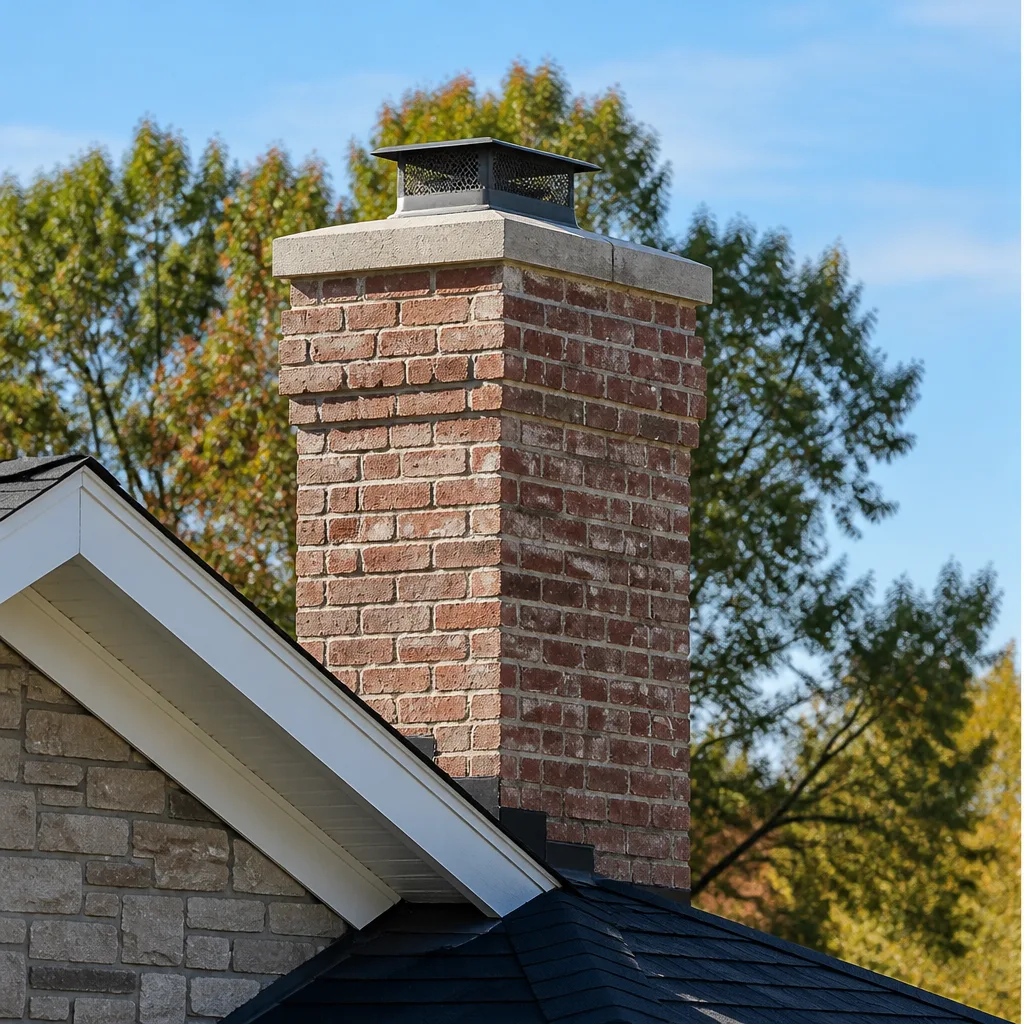 Masonry repair
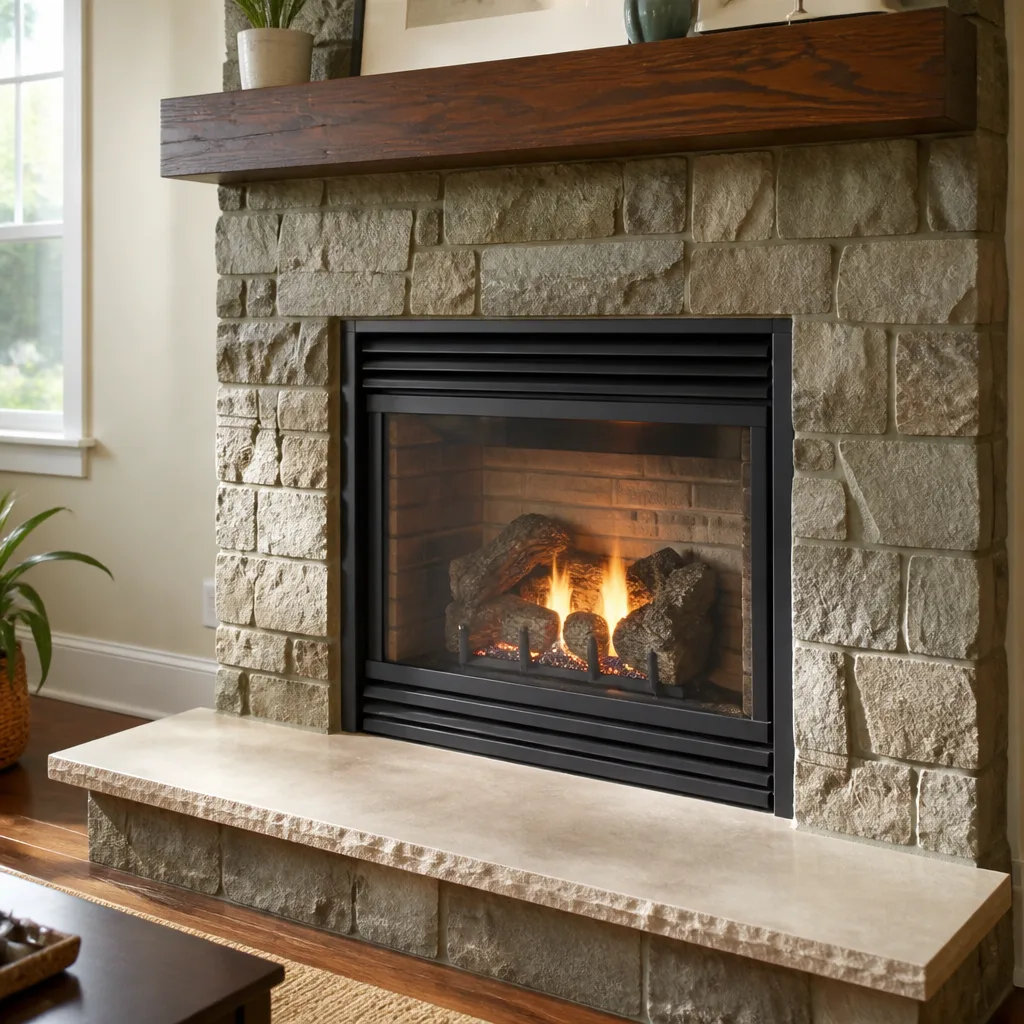 Gas fireplace service
Level 1 sweep and inspection to the NFPA 211 annual standard - flue, crown, cap, and flashing checked and photographed
Chimney sweep logs do not sweep chimneys. They loosen some creosote - which then falls where a brush and vacuum still have to collect it.
Chimney Sweep Maintenance Checklist for Heather Gardens Homeowners
The most common chimney problem we find in Heather Gardens isn’t creosote. It’s deferred maintenance. Not neglect, exactly. Homeowners here tend to be diligent. But a chimney is mostly hidden, and a task you can’t see the result of is a task that quietly slips a year at a time. The cap you meant to check, the crown crack you glanced at in fall and forgot by winter, the sweep you planned for spring and pushed to the next season. Without a system, good intentions don’t hold. This guide gives you one: a task-by-task calendar built around Colorado’s freeze-thaw cycles, fire season and Front Range burn patterns, plus a clear line between what you can safely check yourself and what needs a trained technician.
Quick Answer
A chimney maintenance checklist for Heather Gardens homeowners should run on a Colorado calendar, not a generic one: inspect the cap and crown every spring once the last hard freeze has passed, sweep wood-burning flues after every cord or so of firewood, have the whole system inspected annually, and address mortar and crown cracks before the first freeze of fall. The two dates that matter most are late spring, when freeze-thaw damage becomes visible, and early autumn, before heating season starts. Everything in between is checking and documenting.
Styles & brands we work with
- Sweep & inspection
- Caps & crowns
- Flue relining
- Masonry repair
- Gas fireplace service
Table of Contents
- Why a Chimney Checklist Matters More in Heather Gardens
- The Heather Gardens Chimney Maintenance Calendar
- What You Can Safely Check Yourself
- What Requires a Certified Sweep
- How to Document Your Chimney Year Over Year
- Gas Inserts vs. Wood-Burning: Two Different Schedules
- Red Flags That Mean Cancel the Fire Tonight
- Common Mistakes to Avoid
Why a Chimney Checklist Matters More in Heather Gardens
Heather Gardens sits on the eastern edge of the Denver metro, and that geography shapes what happens to a chimney here. The freeze-thaw cycle is the big one. Winter days that climb above freezing and nights that drop well below it push water into hairline cracks in mortar and crowns, then freeze it. Water expands when it freezes, and that expansion widens the crack a little more each cycle. Over a handful of seasons, a cosmetic-looking line in a crown becomes a path for water into the chimney structure.
Then there’s fire season. Front Range summers bring weeks of dry heat and wildfire smoke that changes how and when people burn. Some Heather Gardens homeowners skip the fire through August entirely, then burn hard from October onward. That concentrated burn pattern means creosote accumulates in a shorter window than a national checklist assumes. A chimney swept on a “once a year, any time” plan can still build up a heavy load before the sweep comes around.
A third factor is the housing itself. The community’s homes were built across a span of decades, and chimney construction changed over that time. Some flues are clay tile, some are older metal, some have been relined at some point, and many have no documentation of what was done. Knowing what you actually have is the starting point for any checklist, which is why the first item on this list isn’t a cleaning task. It’s an inspection that establishes a baseline.
None of this is cause for alarm. It’s cause for a schedule. A chimney is a system, and every part of that system wears on a timeline set by local weather and local burn habits. Once you know the timeline, the checklist mostly runs itself.
The Heather Gardens Chimney Maintenance Calendar
Here’s the calendar we recommend for Heather Gardens. It’s split into the four Colorado seasons, because that’s how the damage actually accumulates. The two anchors are late spring and early autumn. Everything else supports those two.
Late Spring (after the last hard freeze)
- Full chimney inspection. This is the appointment that catches freeze-thaw damage. Mortar joints, the crown, the cap, the flashing and the flue liner all get looked at once the ground has thawed and the season’s freeze damage is fully visible.
- Cap and crown check. Look for new cracks, spalling, or a cap that’s loose or missing. Spring is when winter’s last damage shows up clearly.
- Sweep if you burned through the winter. If the fireplace or wood stove carried the house from October to March, the flue is due. Get it cleaned before the shoulder season so it’s ready well ahead of autumn.
- Note anything that changed. Compare against last year’s notes. This is where documentation pays off.
Summer (fire season and shoulder season)
- Schedule repairs found in spring. Mortar repointing, crown work, cap replacement. Summer is the low-stress window in the Colorado construction calendar, and repairs cure well in warm, dry weather.
- Check the exterior after any major wind event. Hail and high wind can take a cap or loosen flashing. A quick look after a storm costs nothing.
- Liner assessment if the flue is older or undocumented. If you don’t know the liner’s condition, this is the season to find out, with time to plan before heating starts.
Early Autumn (before the first freeze)
- Pre-season inspection and sweep. The most important appointment of the year. Everything gets checked and cleaned before the burn season starts.
- Verify the cap and crown are intact. Cracks that opened in summer are visible now, and there’s still time to seal them before freezing temperatures.
- Test the damper. Open and close it fully. If it sticks or won’t seat, note it.
- Check smoke and carbon monoxide detectors. A chimney-related carbon monoxide problem is only caught if the alarm works.
Winter (burn season)
- Burn dry, seasoned wood. Wet wood produces more creosote. This is the single biggest variable you control during the burn season.
- Watch for changes in draft. A fire that starts smoking into the room when it didn’t before is a signal, not a nuisance.
- Keep the firebox and hearth clear. Ash, debris and stored items near the firebox are a fire risk you can remove yourself.
Booked the right way, that’s four appointments a year at most, often fewer. The point isn’t frequency. It’s timing: catching the freeze-thaw damage in late spring and getting the system ready before the first autumn freeze. Most of the problems we see in Heather Gardens come from a sweep that was booked in the wrong season for a repair that was already overdue.
What You Can Safely Check Yourself
You don’t need a technician for everything on this list, and a good checklist should be honest about the split. There are three areas where a homeowner can do a real visual check without touching the flue or the firebox interior.
- The chimney cap. From the ground with binoculars, or from a window with a clear view, look at the cap. Is it still sitting squarely on top of the chimney? Is the mesh intact, or has it rusted through? Is it missing? A cap keeps rain, snow, birds and debris out of the flue, and a damaged cap is one of the most common things we find during inspections.
- The exterior crown. The crown is the concrete or masonry top surface that sheds water away from the flue. Look for cracks, crumbling edges or a crown that’s pulling away from the chimney sides. This is where freeze-thaw damage shows up first, and it’s the item most likely to be visible from the ground.
- The visible damper. Open the damper fully, then close it and check for tightness. If it won’t close, or if you can see daylight around a closed damper, note it for the next inspection. A damper that doesn’t seat loses heat and lets cold air into the house.
What you should not do yourself: get on the roof, open the firebox or the flue, or attempt to clean anything. Roof work is a fall risk, and flue interiors can hold hazards you can’t see. That includes the dangerous parts of the system: blocked flues, damaged liners and creosote buildup. A trained technician, properly equipped and trained for height work and flue conditions, handles those. Our technicians have up to 12 years of experience, and the guidance we give Heather Gardens homeowners is the same: check what’s visible from the ground; leave the rest to the sweep.
What Requires a Certified Sweep
Some tasks look like DIY work and aren’t. Others look like upselling and aren’t. The line is whether the task involves the interior of the flue, roof-height access, or anything that needs a judgment call about condition and safety. Here’s what belongs in the professional column.
- Sweeping the flue. The interior of the flue is where creosote accumulates, and creosote is combustible. Cleaning it requires proper tools and a trained eye, not a vacuum and a long brush. The sweep is also the moment to check the flue walls themselves.
- Flue liner inspection. The liner is what protects the house from heat and gases inside the flue. Damage to it isn’t visible from the firebox. A camera inspection is the only way to know its condition, and it’s included when a professional evaluates the system.
- Liner repair and relining. If the liner has cracks, gaps or is past its service life, one option is resurfacing with HeatShield, a system applied by trained technicians and built specifically for that application. The right approach depends on what the inspection shows.
- Cap and crown work. Sealing cracks, repointing mortar and installing or replacing a cap or crown are roof-height, weather-exposed tasks. Caps and crowns are installed with Gelco and Famco components, which is the kind of product sourcing you want for a piece that has to last through Colorado weather. If you want the details on that part of the job, see our page on chimney cap & crown.
- Repairs to the firebox or damper mechanism. A disintegrating firebox, a damper that won’t operate, or damaged fireplace components need repair work, not cleaning. That’s fireplace repair scope, and it’s often best handled at the same visit as the sweep.
The reason this split matters is that the sweep and the inspection and the repair belong together. Problems caught during a sweep shouldn’t wait for a second contractor and a second appointment. A full-service chimney company handles the sweep, the inspection and the fix, and that’s how a checklist stays a checklist instead of turning into a project.
How to Document Your Chimney Year Over Year
Here’s the piece most homeowners skip, and it’s the one that makes the entire checklist more useful over time. A chimney problem is only recognizable as a problem if you know what the chimney looked like last year. Cracks don’t announce themselves as new. They just show up one day and look like they’ve always been there.
The fix is simple: keep an annual record. A phone photo and a few notes take five minutes and give you a baseline for every year after. Here’s what to capture:
- Photos of the exterior. The cap, the crown and the visible chimney face. Take them from the same spot each year so you can compare directly.
- Photos of the firebox and damper. What the interior looks like now, so a change is obvious later.
- The date of the sweep and inspection. And what was found. Keep the report; most reputable sweeps provide one.
- Any repairs made. What was done, when, and with what materials. If your liner was resurfaced or a cap installed, the paperwork tells the next technician what they’re working with.
- The liner type. Clay tile, stainless, or resurfaced. This is the single most useful piece of information in the file, and the one most homeowners don’t know.
We include a camera inspection and a photo report with every professional visit, for exactly this reason. You see what we see, you keep it, and next year’s checklist starts with a real baseline instead of a guess. That’s especially useful in Heather Gardens, where the housing stock spans several building eras and chimneys don’t all age the same way. Documentation turns an annual sweep into a trend line. A crown that cracked once and was sealed is fine; a crown that cracks again in the same spot is a pattern worth understanding.
Gas Inserts vs. Wood-Burning: Two Different Schedules
This is the section where a generic checklist gets homeowners into trouble. A gas fireplace insert and a wood-burning fireplace are not the same system, and they don’t share a maintenance schedule. Plenty of Heather Gardens homes have one of each, or a gas insert where a wood fireplace used to be, and the assumption that “the annual sweep covers both” is a mistake.
Wood-burning systems are on a creosote and soot schedule. The flue builds up creosote as a direct result of burning, and the rate depends on how much you burn, how dry the wood is, and whether the fire smolders or burns hot. A wood flue needs sweeping based on use, which is why the volume you burn matters more than the calendar. If you burn a cord or more in a season, the flue needs a sweep before the next season starts. If you burn lightly, less often. The annual inspection is still annual regardless.
Gas inserts don’t produce creosote, so they don’t need the same sweeping. What they do need is a different set of checks: the burners and pilot assembly, the venting, the glass and the logs or media. Gas fireplaces can develop blockages in the vent, and a gas appliance that isn’t burning cleanly is a carbon monoxide concern. That’s why a gas insert still needs an annual inspection, just a different kind. The checklist items are not the same.
The practical takeaway for a Heather Gardens homeowner:
- Wood-burning: sweep based on how much you burn, inspect annually, watch the cap and crown closely through freeze-thaw.
- Gas insert: annual inspection of burners, venting and components, skip the creosote-focused sweep, watch for blocked vents and any change in flame appearance or smell.
- Both: keep separate documentation. Two systems, two records.
If you’re not sure which category your fireplace falls into, that’s a question for the inspection, not the internet. Which brings us to the line between a task and an emergency.
Red Flags That Mean Cancel the Fire Tonight
Most of this guide is about scheduling. This section is about the exceptions, the handful of conditions where the right move is to stop using the fireplace and call a sweep, not to wait for the annual appointment. None of these is a reason to panic. They’re reasons to pause the fire for a night and get a professional opinion.
- Smoke spilling into the room when the damper is open. A fire that used to draft cleanly and now smokes into the room is a sign of a blocked or damaged flue or a draft problem. Stop burning until it’s checked.
- A strong, sharp smell even when there’s no fire. That’s often creosote, and heavy creosote is the fuel for a chimney fire. Don’t burn until it’s swept.
- A carbon monoxide alarm sounding, or headaches and nausea when the fireplace has been running. That’s a stop-now signal. Vent the house, get everyone out, and call for help.
- Visible damage to the firebox or a loose or missing cap. Exposed firebox material or a missing cap means water, animals or debris can get in. Stop burning until it’s inspected.
- Glazed creosote on the flue walls. Glazed creosote is the hard, shiny, stubborn form, and it’s the highest-risk kind. It doesn’t come off with a standard brush, and it’s a sweep-and-assess job, not a wait-and-see job.
If any of these shows up, cancel the fire for the night and call a professional. The annual appointment can wait a season. A flag on this list can’t. That’s true anywhere, but it’s worth repeating in Heather Gardens, where a hard freeze can turn a chimney problem into a structural problem by the next morning.
Common Mistakes to Avoid
- Sweeping on a national calendar instead of a Colorado one. A summer sweep that seemed convenient last year missed the freeze-thaw window. In Heather Gardens, the late-spring inspection is what catches winter damage before it becomes a summer repair.
- Assuming a gas insert needs the same sweep as a wood fireplace. It doesn’t. A gas insert needs an annual inspection of its own components and venting, and treating it as a no-maintenance appliance is one of the more common errors we find.
- Never writing anything down. Without last year’s photos and report, a new crack and an old one look identical. Documentation is the difference between maintenance and guesswork.
- Getting on the roof. Checking a cap from the ground with binoculars is sensible. Climbing a roof or a ladder to inspect a crown is a fall risk that belongs to a trained, equipped professional.
- Waiting for a smoke problem to schedule the sweep. A chimney that drafts poorly is already telling you something. Scheduling the sweep before the fire season starts is cheaper and safer than reacting after it does.
- Treating a low-bid sweep as the whole service. A vacuum and a business card is not an inspection. Ask for a camera inspection and a written report, and ask what the sweep actually checks.
- Ignoring the cap and crown because they’re “just cosmetic.” The crown is what sheds water off the chimney, and a cracked one lets freeze-thaw damage into the masonry. It’s structural maintenance, not decoration.
See the difference
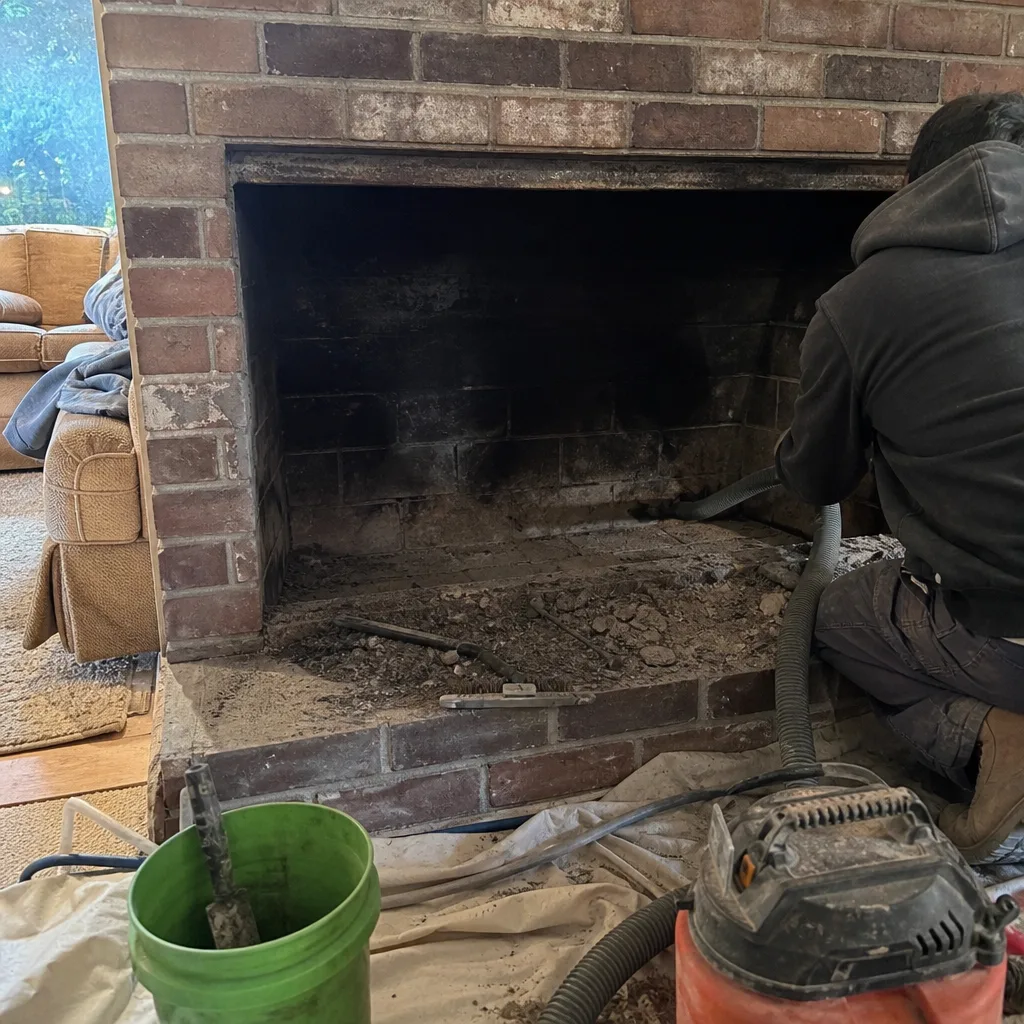 Before
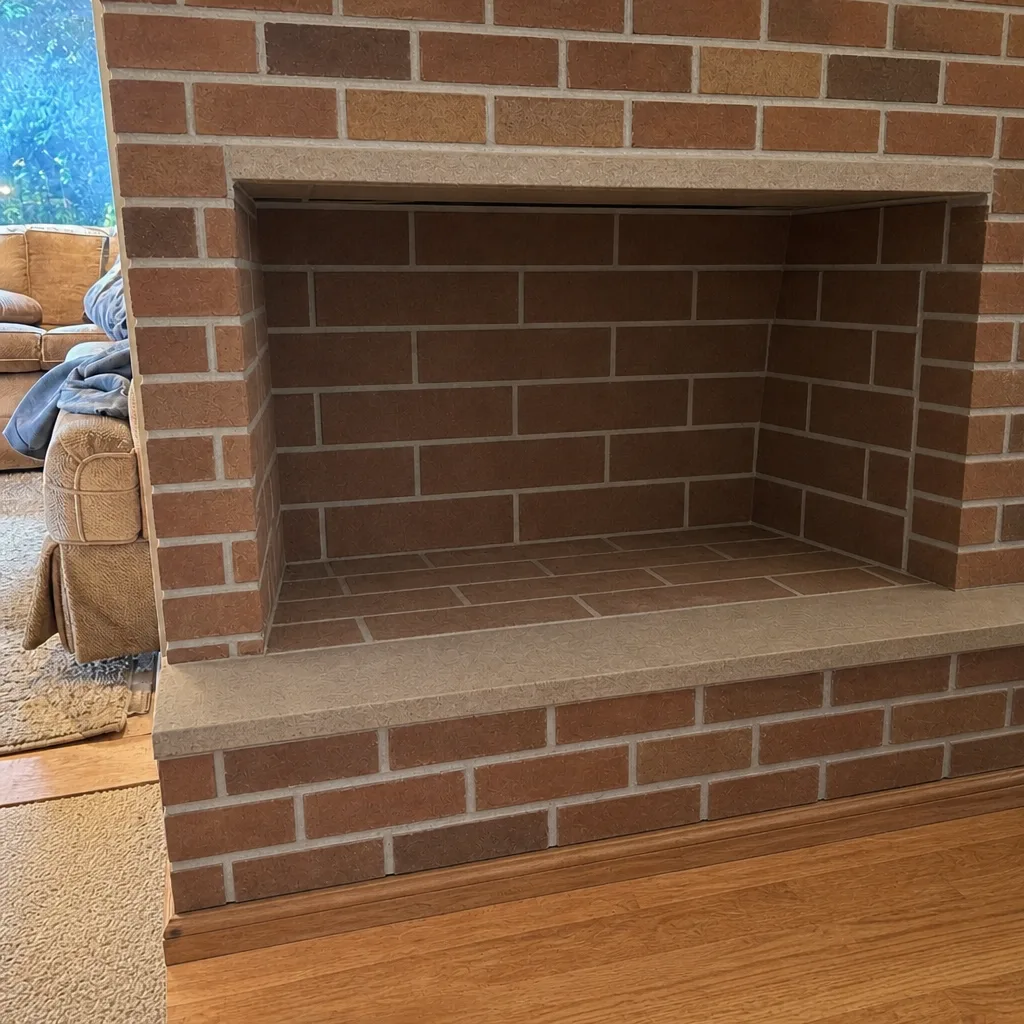 After
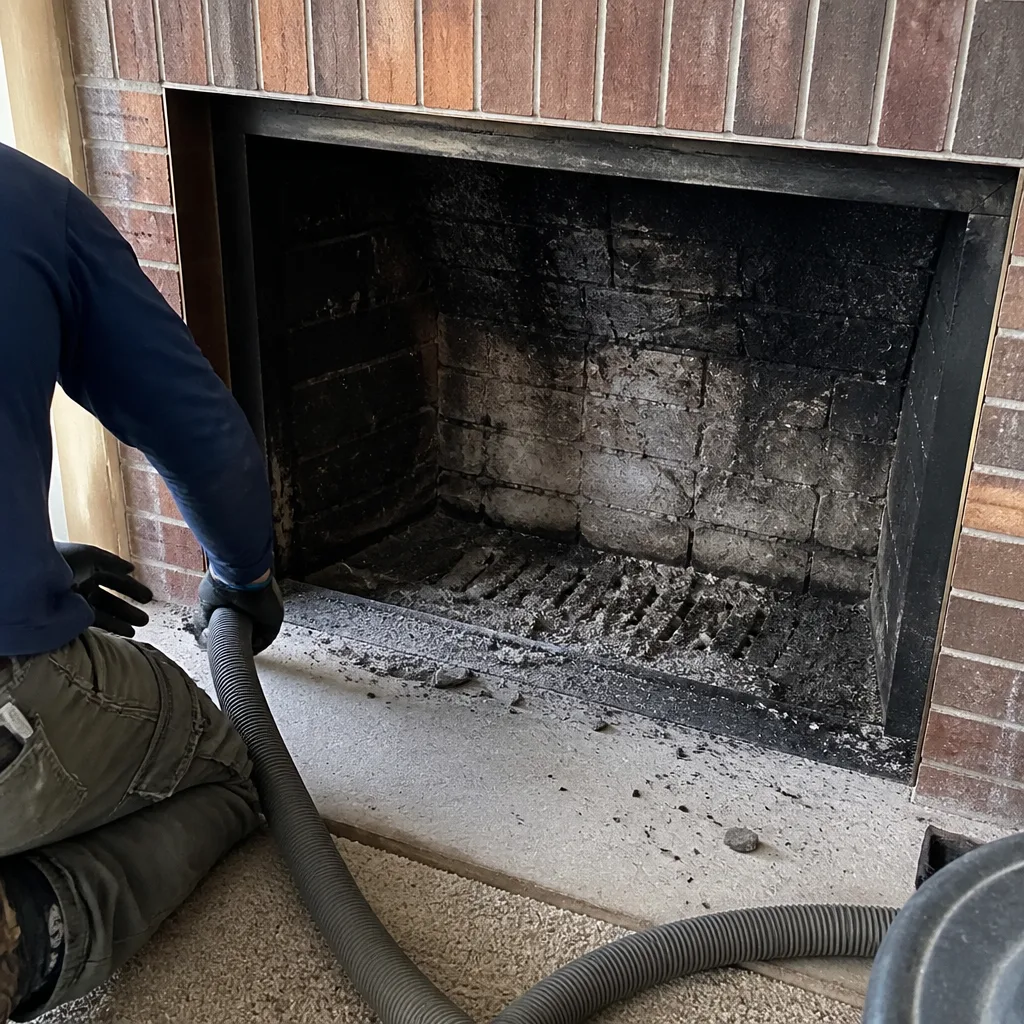 Before
 After
 Before
 After
When to Call a Professional
Call a professional when the task involves the inside of the flue, roof-height access, or any condition on the red-flag list above. That includes the annual inspection, the sweep, any liner question, cap and crown work, and any repair to the firebox or damper. It also includes the first time you don’t know the condition of your chimney. A baseline inspection answers that, and it’s the smartest first step before you try to build a calendar around a system you can’t see. If you’ve never had the chimney inspected, or the paperwork is gone, start there. The Chimney Sweep Heather Gardens page covers the full range of what we handle, and our chimney sweep service is where most Heather Gardens homeowners begin. Chimney Sweep Heather Gardens offers free estimates in Heather Gardens. Call (877) 792-5799. We answer 24/7. Fast dispatch from 7am to 7pm, Sunday through Friday.
Frequently Asked Questions
Sweep a wood-burning flue based on use, not a fixed calendar: once a year is the baseline for most Heather Gardens homeowners, and more often if you burn heavily through the winter. Inspect every chimney annually regardless, because the inspection catches freeze-thaw damage that a sweep won’t. Call (877) 792-5799 for an exact quote; estimates are free.
Late spring is the best time for the inspection that catches freeze-thaw damage, and early autumn is the best time for the pre-season check. If you have to choose one, choose early autumn, before heating season starts. Call (877) 792-5799 to book the visit that fits your schedule.
You can safely check three things from the ground: the cap, the exterior crown and the visible damper. Everything else, including the flue interior, the liner and anything at roof height, needs a trained technician. If you’ve spotted a crack or a loose cap, call (877) 792-5799 for an assessment.
Yes. A gas insert doesn’t build creosote, but it still needs an annual inspection of its burners, venting and components, and a gas appliance that isn’t burning cleanly is a carbon monoxide concern. It’s a different inspection than a wood flue, not a skipped one. Call (877) 792-5799 to schedule one.
You don’t know until someone inspects the liner with a camera, and that’s the honest answer. Some liners that look fine from the firebox have cracks further up. Many can be resurfaced rather than replaced, using HeatShield, but the inspection determines which. Nothing should be recommended to you without camera evidence you can see yourself. Call (877) 792-5799 for an inspection with a photo report.
Stop burning for the night and call a sweep. Smoke spilling into the room with the damper open points to a blocked or damaged flue or a draft problem, and none of those should wait for the annual appointment. Call (877) 792-5799. We answer 24/7. A call outside dispatch hours is booked into the next opening, Sunday through Friday, 7am to 7pm.
The Bottom Line
A chimney maintenance checklist only works if it’s timed to where you live. In Heather Gardens, that means late spring for the inspection that catches freeze-thaw damage, summer for repairs while the weather holds, and early autumn for the pre-season sweep before the first freeze. Know what you can check yourself (cap, crown, damper) and what you can’t (the flue, the liner, anything at roof height). Document the chimney every year so next year’s checklist has a baseline. And treat the red-flag items as stop signals, not wait-and-see items. Sweep, inspect, repair. One system, one specialist, on a schedule built for Colorado.
Call (877) 792-5799 for a free estimate.
Written by the team at Chimney Sweep Heather Gardens.